Adidas Samba: Ultimate Retro Sneaker 2026
Discover why the Adidas Samba is House of Sneakers' best-selling retro sneaker. Explore its timeless design, versatile styling, and what makes it worth the investment in 2026.
Over six decades have passed since the Adidas Samba first hit the court, yet this sneaker commands shelf space and street credibility like few others in footwear history. The numbers tell the story—at House of Sneakers, the Samba consistently outperforms trend-chasing competitors, cementing its status as more than a passing fashion moment. This isn't about nostalgia driving sales; it's about a genuine cultural shift toward footwear that balances authenticity with everyday wearability.
The Adidas Samba represents something increasingly rare in modern sneaker design: a shoe that honors its heritage without feeling trapped by it. Born in 1950 as an indoor soccer trainer, the Samba evolved into a lifestyle staple worn across skateboarding communities, music scenes, and fashion capitals worldwide. Its journey from functional athletic gear to cultural icon reveals something fundamental about how we choose the shoes we wear.
At House of Sneakers, the Samba stands as a cornerstone piece in any serious sneaker collection. This guide examines what makes the Samba worth the €100–€160 investment, breaking down its design elements, versatility across styling contexts, practical wearability factors, and genuine value proposition. Explore the Adidas Samba collection at House of Sneakers today.
The Heritage Behind Adidas Samba's Enduring Appeal
From Indoor Soccer to Cultural Icon
The Samba's origin story centers on function. Adidas designed this low-top silhouette in 1950 specifically for indoor soccer players, prioritizing quick movements and ankle control on court surfaces. The shoe's construction—a clean, minimalist profile with premium leather and rubber reinforcement—proved so effective that players began wearing it off the court. What started as athletic necessity became lifestyle choice.
The 1960s marked a turning point. Brazilian players brought the Samba to street culture, where its sleek aesthetic and accessible design resonated beyond sports. The shoe's simplicity became its strength; it paired effortlessly with everything from casual wear to emerging subcultures. By the 1980s and 1990s, skateboarders and hip-hop communities had adopted the Samba as a staple, recognizing in its clean lines and durable construction the perfect foundation for their visual identity.
Celebrity Influence and the Resurgence
The contemporary revival of the Samba connects directly to celebrity adoption and influencer visibility. High-profile musicians, fashion designers, and cultural figures have worn and championed the shoe, making it aspirational without the gatekeeping attached to limited luxury brands. This accessibility paired with genuine cultural weight creates powerful momentum.
The 2020s witnessed an explosion in Samba visibility, with collaborations and celebrity sightings driving renewed interest. Fashion influencers integrated the shoe into carefully curated wardrobes, while musicians featured it in visual releases. Each endorsement reinforced a consistent message: the Samba works because it's authentic, not because it's expensive or exclusive.
Vintage-Inspired Footwear Dominates 2026 Trends
Current sneaker culture prioritizes authenticity and heritage over novelty. The 2026 landscape shows consumers actively rejecting purely trend-driven designs in favor of pieces with genuine history and proven longevity. The Samba fits this preference perfectly—it's not a retro recreation attempting to capture the 90s, but rather the actual shoe from that era, refined and perfected over decades.
This shift reflects broader lifestyle movements toward sustainability and intentional consumption. Buying a Samba means investing in a shoe designed to last, not dispose of after one season. Its consistent design means new and old colorways pair seamlessly in any rotation, creating a sense of permanence in a notoriously temporary industry.
Design Specifications That Set the Samba Apart
Smooth Leather Upper and Premium Suede Overlays
The Samba's construction begins with quality materials chosen for both aesthetics and durability. The primary upper features smooth leather—typically full-grain or premium quality depending on the specific model—that develops character with wear. This isn't plastic-thin material; genuine leather breaks in and molds to the wearer's foot naturally.
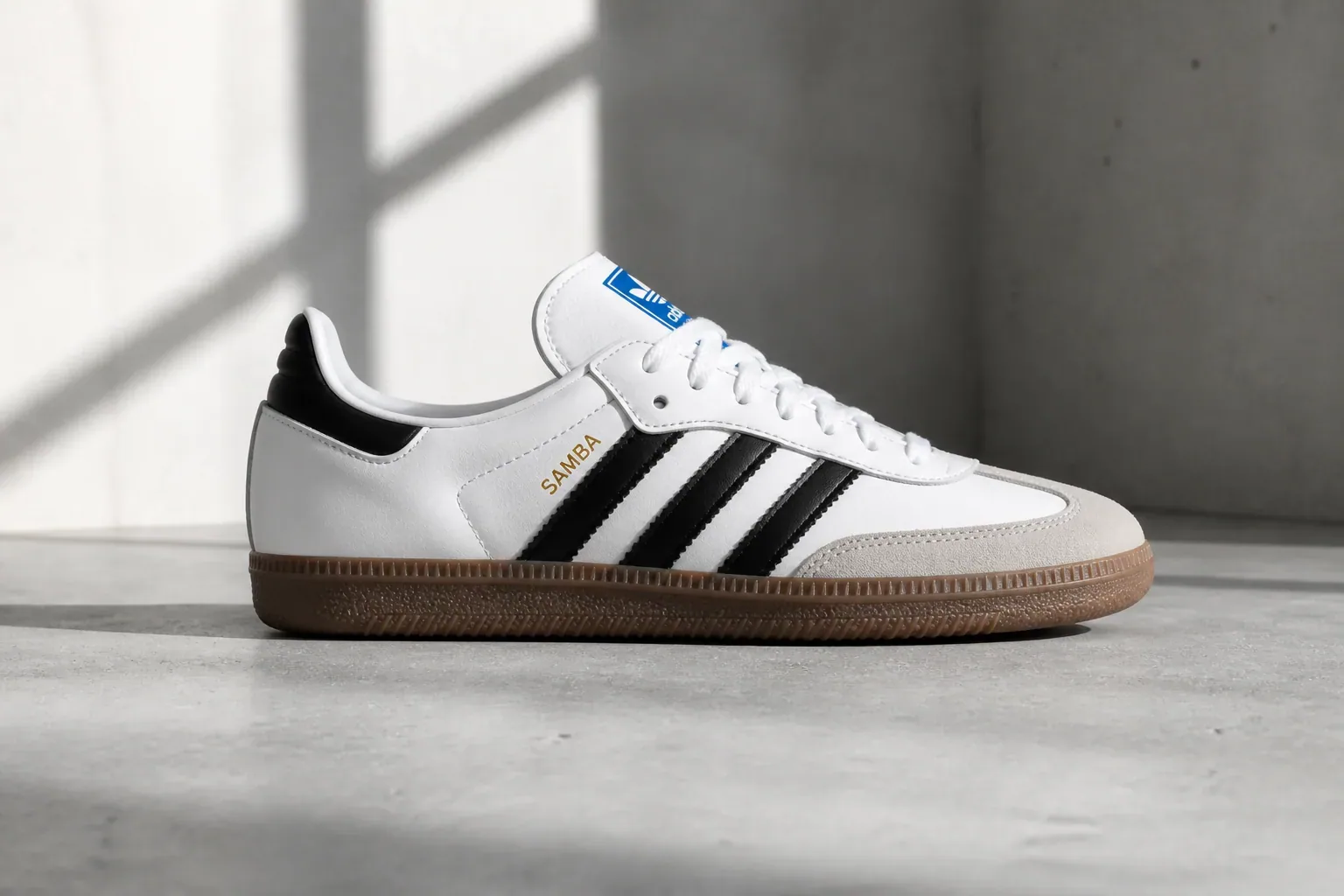
The suede overlays, traditionally placed on the forefoot and collar areas, add textural depth and visual interest. These overlays aren't purely decorative; suede provides additional structure and contributes to the shoe's distinctive silhouette. The contrast between smooth leather and matte suede creates the Samba's signature aesthetic that remains instantly recognizable across any colorway.
The Iconic Three-Stripe Branding
Adidas's three stripes appear on the Samba as a side panel feature rather than a top overlay, giving the shoe a distinctive visual identity separate from other Adidas models. This placement—running horizontally along the heel and midfoot—creates clean lines that elongate the silhouette. The stripe design contributes to why the Samba photographs so well and translates beautifully across casual and elevated styling contexts.
The three stripes also serve a functional purpose, providing lateral support and structural reinforcement. This integration of form and function typifies Adidas design philosophy; every element contributes to both the shoe's appearance and its performance characteristics.
Gum Rubber Outsole and Durability
The Samba's gum rubber outsole distinguishes it from trend-focused sneakers with thin, decorative soles. This thick, resilient rubber compound resists wear, maintains texture over time, and provides reliable traction on various surfaces. The gum rubber develops a patina with age, creating visual evidence of the shoe's actual utility rather than pristine minimalism that disappears after light wear.
This outsole choice reflects the Samba's dual nature—it's equally at home on clean city streets and rougher, worn surfaces. The durability advantage means your Samba investment doesn't require babying or special care routines. Regular wear and occasional cleaning sustain the shoe for years.
Padded Collar Design and Ankle Support
The Samba features a padded ankle collar that provides both comfort and visual definition. This padded section—typically wrapped in matching leather or suede—reduces heel slippage and protects the ankle bone from rubbing during extended wear. The padding's thickness represents a meaningful difference from minimalist sneaker designs that sacrifice comfort for aesthetic purity.
This collar design contributes to the Samba's wearability in contexts ranging from quick runs to full days of walking or standing. The support structure ensures the shoe performs reliably across varied activity levels without requiring a break-in period that extends weeks.
Styling the Adidas Samba Across Multiple Occasions
Casual Everyday Looks
The Samba thrives in the most fundamental styling context: effortless everyday wear. Pair the shoe with standard jeans and a basic t-shirt, and you've created a complete look that requires no additional styling consideration. The Samba's clean silhouette means it enhances rather than dominates casual outfits, allowing other elements—a quality jacket, interesting accessories—to contribute texture and personality.
Relaxed silhouettes pair particularly well with the Samba. Wide-leg jeans, baggy chinos, or oversized shorts all benefit from the shoe's grounding visual weight. The Samba prevents overly loose proportions from becoming shapeless; it anchors the outfit while maintaining the relaxed aesthetic.
Streetwear and Oversized Aesthetics
Streetwear culture embraced the Samba immediately upon its resurgence, and for good reason. The shoe's retro proportions complement oversized fits and contemporary volume-focused silhouettes. Pair the Samba with cargo pants, baggy jeans, or oversized shorts layered with graphic tees and oversized jackets—the shoe's structured heel and clean lines prevent the total look from feeling unintentional or sloppy.
The Samba works equally well with contemporary streetwear pieces and vintage finds. Mix a new Samba with older pieces, or layer contemporary streetwear brands with the shoe's heritage aesthetic. The shoe's adaptability means you're not forced into a specific aesthetic bracket; use it as a bridge connecting different style influences.
Smart-Casual Styling
The Samba's sophistication deserves recognition. Wear the shoe with tailored chinos, an Oxford shirt, and a minimalist jacket, and you've created a smart-casual outfit that feels intentional and polished. The clean lines and premium materials allow the Samba to function in contexts traditionally reserved for dressier footwear.
This styling direction works particularly well with monochromatic or neutral colorways and premium leather versions. The Samba never looks out of place at casual workplace environments, weekend social events, or anywhere that requires elevated casual presentation. Its heritage and design clarity make it feel more refined than average sneakers.
Gender-Neutral and Unisex Appeal
The Samba's straightforward design and balanced proportions translate across gender presentations and styling preferences. The shoe doesn't force specific aesthetic directions; it adapts to the wearer's personal style rather than imposing a predetermined image. This adaptability has contributed significantly to the Samba's broad appeal across diverse communities.
This unisex quality means your Samba purchase isn't tied to narrow styling outcomes. Whether you approach fashion through oversized silhouettes, tailored fits, minimal aesthetics, or bold maximalism, the Samba integrates naturally. Check House of Sneakers' full range of Samba styles and colorways.
Fit, Comfort, and Practical Considerations
Understanding the Samba's Slightly Narrow Fit Profile
The Samba's fit profile skews slightly narrow compared to contemporary sneaker standards. This characteristic stems from its heritage design—the shoe was built for soccer players who benefited from a secure, snug fit. Modern consumers accustomed to roomier sneakers might initially find the Samba constraining across the midfoot and forefoot.
Sizing guidance typically recommends taking your true size or sizing up a half-size if you have particularly wide feet or prefer generous fit. Most wearers find that their normal size becomes comfortable after a brief break-in period. Trying multiple pairs at House of Sneakers or measuring your foot before ordering online eliminates fitting uncertainty.
Arch Support and Cushioning Expectations
The Samba provides moderate arch support suitable for everyday wear and casual walking. The shoe incorporates a basic insole and padded collar structure that addresses general comfort requirements without targeting specific orthopedic needs. This moderate support level distinguishes the Samba from performance-focused athletic shoes engineered for high-impact activity.
Cushioning follows the same philosophy—adequate for daily use, not maximum. The gum rubber outsole and basic midsole absorb ground impact reasonably well, but the Samba isn't designed for runners or athletes requiring specialized cushioning technology. For casual wear, shopping, social activities, and general urban navigation, the Samba's comfort level suffices entirely.
Break-In Timeline and Comfort Development
Most wearers report that the Samba reaches full comfort within two to three weeks of regular wear. Initial wearing might produce slight heel friction or slight forefoot tightness, particularly if you have wide feet. This break-in period is brief compared to many quality leather shoes and reflects the Samba's thoughtful design.
During break-in, wear the shoes for several hours at a time rather than all-day immediately. This graduated approach allows the leather to gradually mold to your foot's specific shape. After this initial period, the Samba typically feels broken in and requires no further adjustment.
Durability and Expected Lifespan
The Samba's construction and materials support years of regular wear when properly maintained. Quality leather uppers develop patina and character without degrading, while the gum rubber outsole resists wear significantly better than thinner, trendier alternatives. Most wearers report that a regularly worn Samba maintains wearability for three to five years or longer.
Longevity depends on wearing frequency and care approach. Everyday wear on rough surfaces naturally shortens lifespan compared to occasional careful use, but even in demanding conditions, the Samba outperforms most competitor options. Annual basic maintenance—cleaning, conditioning leather if necessary—extends lifespan substantially.
Price Breakdown and Value Proposition
Standard Retail Pricing and Market Position
The Samba typically retails between €100 and €160 at House of Sneakers, positioning it as a mid-range sneaker rather than a budget option or luxury purchase. This price point reflects the shoe's quality materials, Adidas brand recognition, and established demand. Compared to fast-fashion sneakers costing €40–€60, the Samba commands a premium. Compared to designer collaborations or luxury sneaker brands costing €200+, it remains accessible.
This pricing strategy recognizes what the market clearly demonstrates—consumers willingly invest in the Samba because the value proposition works. You're not paying for hype; you're paying for proven design, quality construction, and cultural relevance that transcends trend cycles.
Premium Editions and Special Colorways
House of Sneakers periodically offers premium leather and suede editions that command prices at the higher end of or exceeding the standard range. These versions feature enhanced materials, special construction techniques, or limited production runs. Collaborative editions with designers or brands often exceed €160, sometimes reaching €200 or beyond depending on rarity and additional features.
Pricing premium editions requires evaluating whether the material upgrades or exclusivity justify the additional cost for your specific needs. Standard editions typically provide excellent value; premium versions appeal to collectors seeking distinctive colorways or enhanced materials.
Cost-Per-Wear Analysis and Long-Term Value
Calculating cost-per-wear transforms the Samba's price from a static figure into a durability-adjusted investment metric. A €120 Samba worn 300 times yearly across three years equals €0.13 per wear. Compare this to trend-focused sneakers costing €60 but worn only 60 times before disposal, yielding €1.00 per wear. The Samba's higher initial cost disappears when viewed through longevity mathematics.
This analysis becomes even more favorable when considering styling versatility. A Samba works across casual, streetwear, and smart-casual contexts, meaning it accumulates wears faster than specialty sneakers requiring specific outfit configurations. Genuine versatility naturally improves cost-per-wear economics.
Resale Value and Collectibility Factors
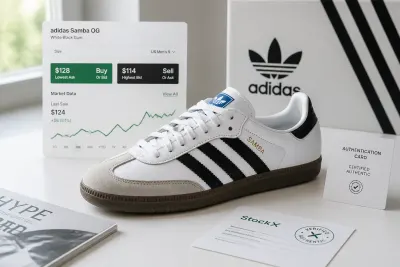
The Samba's enduring popularity creates secondary market demand. Rare colorways or limited-edition versions sometimes appreciate in value or maintain resale prices near original retail. Common colorways hold approximately 50–70% of retail value in the used market, reflecting genuine demand and the shoe's proven durability.
This resale resilience distinguishes the Samba from trend-driven sneakers that depreciate dramatically after novelty fades. You're not locked into keeping the shoe forever; genuine demand means you can recover meaningful value if your priorities change. Collectible versions or carefully maintained pairs in excellent condition sometimes command premium resale prices.
The Samba's Staying Power: A Sneaker That Earns Its Place
The Adidas Samba endures not because it's trendy but because it genuinely functions. From its heritage-rich design to its remarkable adaptability across multiple styling contexts, this sneaker delivers value few competitors match. House of Sneakers recognizes what sneaker enthusiasts worldwide already understand—this shoe transcends seasonal trends and remains relevant through genuine utility and aesthetic integrity.
Whether you're constructing a minimalist rotation emphasizing quality over quantity, or building a diverse streetwear collection spanning multiple aesthetics, the Samba provides authentic value at its price point. The slightly narrow fit might require sizing consideration, and the moderate cushioning won't replace specialized performance shoes, but these represent minor tradeoffs for a sneaker this culturally significant and practically wearable.
The Samba asks little of its wearer while delivering substantially. It works with your existing wardrobe, requires minimal styling consideration, and maintains structural integrity across years of regular wear. This combination of simplicity and substance explains the shoe's six-decade run and its contemporary dominance at retailers worldwide.
Discover your perfect Samba at House of Sneakers and invest in a sneaker built to last.