Collecting Vintage Jackets: Build Your Archive
Discover how to build a curated vintage jacket collection with Abracadabra NYC. Learn authentication tips, investment strategies, and styling secrets for rare, one-of-a-kind pieces.
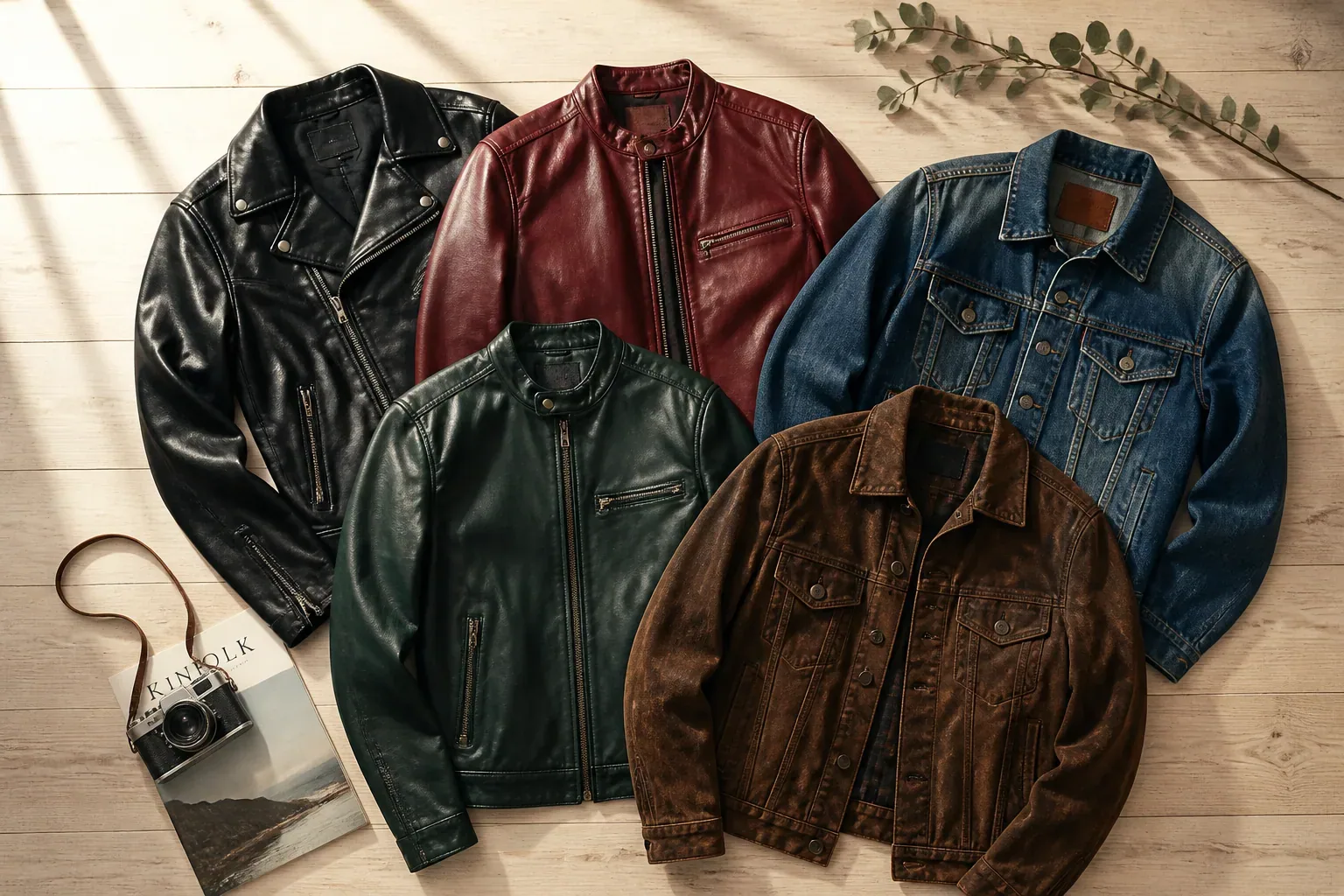
Vintage jacket collectors spend an average of $2,000+ annually on rare outerwear pieces—and for good reason. There's something magnetic about owning a jacket that carries decades of history, authentic patina, and zero chance of seeing your look duplicated at the mall. Beyond the aesthetic appeal, these pieces represent tangible investments in craftsmanship and cultural artifacts that tell stories spanning generations.
Abracadabra NYC has carved out a reputation as the go-to destination for serious vintage hunters and casual collectors alike. Their curated selection of vintage jackets represents more than just clothing; these are wearable artifacts sourced from different eras, each with distinct construction details, rare branding, and the kind of character that modern manufacturing simply cannot replicate. The brand's commitment to quality curation means you're browsing pieces that have already been vetted for authenticity, condition, and collectible potential.
Start your vintage jacket journey with Abracadabra NYC's curated collection today.
Understanding Vintage Jacket Construction & Materials
Heavyweight denim specifications: selvage edges, weight measurements, and why they matter for durability and aging
Heavyweight denim jackets represent some of the most durable and sought-after vintage finds. Selvage edges—the self-finished borders of the fabric—indicate traditional looms and minimal processing, which creates tighter weaves that age beautifully over decades. These jackets typically measure 12–16 ounces or heavier, compared to modern denim's standard 10–12 ounces. The extra weight translates directly to longevity and distinctive fading patterns that develop uniquely with wear. Collectors prize heavyweight pieces because they improve with age, developing character creases and color variations that reflect actual use rather than artificial distressing.
Leather quality indicators: full-grain vs. corrected leather, patina development, and how to assess condition
Full-grain leather—the top layer of the hide with all its natural markings intact—represents the premium tier of vintage leather jackets. Corrected leather, which has been sanded and refinished, lacks the depth and aging potential of full-grain alternatives. True patina develops over years through exposure to light, moisture, and handling, creating a rich, varied surface that cannot be rushed. When evaluating leather condition, examine for consistent color tone, soft flexibility, and natural creasing rather than harsh cracks. Scuffs and surface marks on vintage leather often enhance rather than diminish value, as they document the piece's authentic history.
Military-inspired tailoring elements: shoulder construction, collar types, and functional details that define era-specific designs
Military jackets influence vintage collections across multiple decades, each era bringing distinct tailoring signatures. Shoulder construction varies from structured, built-up shoulders in 1940s pieces to relaxed, dropped shoulders in 1990s styles. Collar types—from stiff, pointed military collars to soft, rolled variations—help date pieces and define their functional origin. Functional details like map pockets, chest straps, and D-ring attachments served practical purposes originally but now signal authenticity and era-specific design language. These construction elements matter because they demonstrate the maker's intended use and craftsmanship level.
Embroidered detailing & patchwork: hand-stitched vs. machine work, thread quality, and how embellishments affect collectibility
Hand-stitched embroidery commands premium prices because it represents labor intensity and era-appropriate production methods. Machine embroidery, while still valuable on vintage pieces, suggests later manufacture or industrial production. Thread quality reveals itself through color consistency, knot density, and whether stitching has held through decades of wear. Patchwork—whether original manufacturer applications or collector customizations—tells stories about the jacket's journey. Custom patches and personalized embellishments can either enhance or diminish value depending on execution quality and whether they're culturally significant or merely decorative.
Distressed finishes: distinguishing authentic wear from artificial distressing, and what collectors actually value
Authentic distressing develops organically through wear, creating irregular fading, soft edges on holes, and natural creasing patterns. Artificial distressing appears uniform, shows raw edges that look cut rather than worn, and lacks the subtle color gradation of genuine aging. Collectors increasingly value authentically worn pieces over artificially distressed reproductions because real wear tells a narrative. However, the definition of "valuable distressing" varies—some pieces gain appeal through heavy wear, while others command higher prices in pristine condition. Understanding the specific market for your jacket's style helps calibrate appropriate wear expectations.
Unique branding & labels: identifying rare manufacturer tags, regional variations, and how branding impacts resale value
Manufacturer labels function as fingerprints for vintage jackets, revealing production location, era, and sometimes exclusivity level. Japanese workwear brands like Evisu and Fullcount attract premium prices due to reputation for quality. European tailoring houses command respect for precision construction. Regional variations in labeling—different fonts, placement, material—help date pieces accurately. Rare or defunct brands often appreciate in value as collectors recognize their historical significance. Missing labels decrease value substantially unless the piece compensates with exceptional construction or rare materials. Researching label authenticity and historical production records forms a crucial part of serious collecting.
The Collector's Economics: Pricing & Investment Potential
Mid-to-premium resale range breakdown: understanding the $100–$400+ spectrum and what determines price tiers
Vintage jacket pricing follows clear hierarchies determined by multiple factors. Entry-level pieces ($100–$150) typically feature solid construction but lack rare branding, designer provenance, or exceptional materials. Mid-range jackets ($150–$300) balance quality craftsmanship with established collector appeal, offering genuine vintage character without premium price tags. Premium pieces ($300–$400+) command prices through rarity, designer prestige, exceptional condition, or historically significant details. Understanding these tiers helps collectors set realistic budgets and recognize genuine value versus inflated pricing. Seasonal fluctuations, individual condition variables, and current market trends all influence where specific pieces land within these ranges.
Rare designer pieces: archival items that command premium prices and why certain brands appreciate over time
Designer collaborations and archival pieces from respected houses consistently appreciate because their appeal transcends casual fashion cycles. Vintage pieces from iconic designers attract both fashion enthusiasts and investment-focused collectors, creating sustained demand. Limited production runs—whether intentional or simply due to closure of manufacturing—increase scarcity value significantly. Certain heritage brands develop cult followings that drive appreciation over years as their historical importance becomes clearer. Authentication becomes increasingly valuable for designer pieces, as counterfeits threaten market integrity. Building knowledge around which designers hold value requires studying market histories and understanding how contemporary fashion recognizes and celebrates vintage heritage brands.
Seasonal market fluctuations: when vintage jacket demand peaks and how to time purchases strategically
Fall and early winter drive peak demand for vintage jackets, with buyers searching for unique outerwear before temperatures drop. This seasonal surge often inflates prices and reduces inventory through rapid sales. Strategic collectors hunt during off-season periods—spring and summer—when inventory remains abundant and sellers are more motivated to negotiate. Market fluctuations also respond to fashion trends, with certain styles gaining visibility through influencer adoption or runway inspiration. Understanding these cycles allows patient collectors to acquire pieces at favorable prices while positioning themselves to sell during high-demand seasons if desired.
Condition-to-value ratio: how wear, repairs, and original hardware affect pricing and collectibility
Condition dramatically influences resale value, with pristine deadstock (never worn) pieces commanding premium prices. Acceptable wear varies by style—distressed jackets tolerate visible aging better than structured tailoring pieces. Repairs and alterations reduce value unless performed by professional restorers using period-appropriate methods. Original hardware—zippers, buttons, rivets—significantly impacts authenticity assessment and pricing. Collectors need to balance aesthetic preferences (some prefer broken-in character) with financial implications. Professional condition assessment becomes valuable for high-value acquisitions, providing documentation that supports resale justification.
Resale potential: which styles hold value, which appreciate, and how to document your collection for future sales
Classic styles—leather bombers, denim jackets, structured blazers—consistently hold value because they remain wearable across decades. Trendy pieces with specific era signifiers risk losing appeal as fashion moves forward. Rare designer pieces and limited-production items more frequently appreciate than common styles. Documenting your collection through detailed photography, measurements, condition notes, and provenance records creates leverage for future sales. Building trackable purchase history and maintenance records demonstrates proper stewardship and justifies resale pricing. Serious collectors maintain spreadsheets or digital archives capturing purchase date, price, condition progression, and authentication details.
Authentication costs: when professional verification is worth the investment for high-value acquisitions
Professional authentication services charge $50–$300+ depending on complexity, typically justified for pieces exceeding $500 in claimed value. Expert verification provides insurance-grade documentation, reducing buyer hesitation during resale. Authentication becomes essential for rare designer pieces where counterfeits circulate. For mid-range pieces under $300, most collectors rely on personal authentication knowledge developed through study and community engagement. Building relationships with trusted authentication resources—whether online communities or local experts—provides affordable verification alternatives. High-value acquisitions should never skip professional verification; the cost represents insurance against significant financial loss.
Explore authenticated vintage jackets and build your collection with confidence at Abracadabra NYC.
Navigating Inventory Scarcity & Sizing Challenges
The once it's gone, it's gone reality: how limited inventory shapes buying decisions and urgency
Vintage inventory exists in genuine scarcity—once a specific piece sells, no identical replacement appears. This reality fundamentally alters collector psychology and purchasing patterns. Finding a rare jacket in your size, condition preference, and price range might happen once annually rather than monthly. Serious collectors often purchase promising pieces with the understanding that perfect options rarely materialize. The scarcity principle means hesitation frequently results in permanent loss. Building a wish list and maintaining active engagement with retailers like Abracadabra NYC maximizes chances of discovering sought pieces before they disappear into another collector's archive.
Vintage sizing inconsistencies: manufacturing variations across decades and how to measure accurately
Vintage sizing bears minimal relationship to contemporary standards because manufacturing evolved dramatically across decades. A jacket labeled "Large" from 1975 might fit like a modern Medium. Regional production differences compound inconsistency—Japanese manufacturers typically sized smaller than American counterparts. Collectors must measure garments precisely rather than relying on tagged sizes. Essential measurements include chest width (pit-to-pit), shoulder width (seam-to-seam), sleeve length (center back to cuff), and jacket length (top of shoulder to hem). Requesting detailed measurements from sellers and cross-referencing against your own measurements prevents costly sizing mistakes.
Fit prediction strategies: comparing measurements to modern sizing, accounting for shrinkage and stretch
Successfully predicting fit requires comparing vintage measurements against garments you already own and wear comfortably. Account for the specific material's behavior—leather stretches and forms to the body, while denim typically shrinks slightly with washing. Oversized vintage styles intentionally run large, fitting differently than tailored contemporary pieces. Sleeve length proves particularly challenging because vintage manufacturing varied dramatically and alterations affect resale value. Many collectors maintain a sizing template—measurements from favorite current jackets—for instant comparison when evaluating vintage options. This methodical approach eliminates the guesswork and reduces return frustration.
Condition variables: how previous wear and storage affect fit and wearability
Heavy prior wear sometimes causes subtle shrinkage or fabric relaxation affecting fit unpredictably. Storage conditions significantly impact wearability—jackets stored in damp environments develop mildew and fabric weakness. Leather stored without conditioning may crack or become brittle. Proper conditioning and gentle cleaning can restore wearability but requires expertise. Evaluating condition descriptions carefully and requesting detailed photos of any concerns prevents acquiring unwearable pieces despite attractive pricing. Professional restoration services exist but add substantial cost, making original condition assessment critical for budget-conscious collectors.
Building relationships with sellers: how to get early access to new arrivals and rare finds
Retailers like Abracadabra NYC prioritize regular customers, offering early notifications about incoming inventory before public listing. Communicating your collecting interests, size preferences, and style aesthetic helps sellers identify pieces matching your profile. Attending pop-up events and in-person viewings builds rapport and demonstrates genuine commitment. Expressing interest in specific eras or styles signals to sellers which incoming pieces deserve special attention. Providing detailed feedback about past purchases shows you value quality and stewardship. Long-term relationships often include trade-in opportunities, size notifications, and price consideration on pieces you genuinely seek.
Documentation practices: photographing measurements, condition notes, and provenance for your personal archive
Maintaining comprehensive records protects your investment and facilitates future sales. Photograph each acquisition from multiple angles including close-ups of details, branding, and condition concerns. Record exact measurements immediately, noting whether the piece was tried on or worn. Document purchase date, price, seller information, and any included provenance materials. Create condition notes capturing existing wear, repairs, and recommendations for future care. This archive becomes invaluable during insurance claims, condition disputes, or when justifying resale pricing. Digital organization systems—spreadsheets, dedicated apps, or cloud folders—ensure records remain accessible and searchable.
Styling Vintage Jackets Across Seasons & Occasions
Streetwear edge pairings: layering vintage jackets with contemporary basics for modern silhouettes
Vintage jackets gain contemporary relevance through strategic pairing with modern basics. Oversized leather jackets pair effortlessly with fitted basics, creating balanced silhouettes that feel current. Distressed denim layers underneath heavier vintage jackets adds visual texture and personality. Cropped vintage pieces over slightly oversized shirts create intentional proportional play. Mixing vintage outerwear with contemporary streetwear basics (joggers, modern sneakers, minimal accessories) prevents costumey aesthetics. The key approach emphasizes blending eras rather than styling head-to-toe vintage, allowing the jacket to function as the statement piece anchoring otherwise modern outfits.
Elevated casual looks: transitioning vintage outerwear from weekend wear to polished everyday styling
Vintage jackets transition seamlessly into professional and elevated casual contexts with intentional styling. Structured vintage blazers over contemporary work basics create polished silhouettes that signal curated taste. Leather jackets styled with tailored trousers and minimal accessories communicate refined edge rather than casual abandon. Pairing vintage pieces with quality contemporary fabrics—linen, cotton, merino—elevates the overall aesthetic beyond casual territory. Clean grooming, minimal jewelry, and careful color coordination allow vintage pieces to anchor professional presentations. This versatility makes vintage jackets exceptionally practical investments, functioning across multiple life contexts rather than single occasions.
Seasonal adaptability: lightweight vintage jackets for spring, structured pieces for fall, and layering strategies
Lightweight vintage bombers and thin nylon jackets function perfectly for spring layering, providing weather protection without bulk. Unlined denim jackets transition beautifully between mild weather and air-conditioned environments through easy removal and repositioning. Fall demands heavier pieces—structured wool, substantial leather, oversized silhouettes—that make bold statements. Winter styling leverages volume and insulation, with oversized vintage pieces layering over sweaters and thermal bases. Understanding seasonal utility guides acquisition decisions, ensuring your collection remains seasonally relevant. Strategic layering extends the wearable calendar for lighter pieces, preventing seasonal obsolescence.
Gender-neutral styling approaches: oversized fits, cropped silhouettes, and how vintage pieces transcend traditional categories
Vintage manufacturing often blurred gender categorization that modern fashion emphasizes rigidly. Oversized vintage jackets from menswear heritage work equally well styled feminine or masculine depending on pairing. Cropped silhouettes flatter diverse body types and proportions without gendered implications. Neutral color palettes—black, gray, navy, tan—allow personal styling interpretation regardless of gender identity. The collector approach recognizes that exceptional construction and design transcend marketing categories. This perspective opens substantially larger inventory options, allowing collectors to prioritize personal aesthetics over traditional retail segmentation.
Accessory coordination: how to complement rare jackets without competing for visual attention
Rare or visually complex vintage jackets demand minimal accessory competition. Embellished or patterned jackets pair best with neutral accessories—simple watches, understated bags, minimal jewelry. Conversely, solid-colored pieces tolerate bolder accessory statements. Hardware and closure details inform accessory metal finishes—silver hardware pairs best with cool-toned metals, while gold hardware coordinates with warm metallics. Scale matters considerably; oversized vintage jackets work with minimal accessories, while structured fitted pieces accommodate slightly more layered styling. The foundational principle suggests allowing the jacket's inherent character to dominate visual presence rather than competing with additional statement pieces.
Occasion versatility: wearing collector pieces to creative events, casual dates, and professional settings
Investment-quality vintage jackets justify regular wear across diverse contexts rather than closet display. Creative industries celebrate distinctive vintage pieces authentically styled. Casual social settings provide low-stakes environments for testing styling combinations. Professional contexts demand thoughtful coordination but welcome curated vintage aesthetics. Dating scenarios benefit from the confidence wearing exceptional pieces provides. This versatility—functioning across social, professional, and casual contexts—justifies premium pricing and collecting commitment. Viewing pieces as active wardrobe components rather than precious artifacts encourages stewardship through use and prevents deterioration through storage.
Authentication & Spotting Counterfeit Vintage Pieces
Legitimate vintage indicators: manufacturing techniques, label placement, and materials that verify authenticity
Authentic vintage construction reveals itself through era-appropriate manufacturing methods. Hand-stitching patterns, stitch density, and thread types vary by decade and production location. Labels positioned correctly, printed legibly, and physically attached securely indicate genuine vintage pieces. Materials behave distinctly—genuine leather develops patina differently than synthetic alternatives, and natural fabric weaves show characteristics modern production rarely replicates. Hardware materials, rivet types, and zipper mechanisms changed over decades; knowledgeable collectors date pieces partially through these technical specifications. Understanding these indicators develops through study and community engagement rather than quick visual assessment.
Common reproduction red flags: modern stitching patterns, synthetic materials, and inconsistent aging
Modern reproductions frequently employ contemporary stitching patterns and machines that differ subtly from vintage production. Uniform distressing signals artificial aging rather than authentic wear; real wear creates irregular fading and natural creasing. Synthetic materials now available weren't used decades ago—nylon blends, polyester linings, and acrylic fleece raise authenticity questions on older-dated pieces. Inconsistent aging across jacket sections suggests reproduction—authentic pieces show consistent color and wear progression. Label printing appears too crisp or too faded compared to genuine aging patterns. These red flags appear individually sometimes but cluster on counterfeits, warranting skepticism when multiple warning signs appear simultaneously.
Era-specific details: how to date jackets by construction methods, zipper types, and hardware materials
Zipper technology serves as a reliable dating tool—YKK dominance began in the 1970s, while earlier pieces feature different manufacturers. Button and rivet materials changed with technology and availability; specific alloys and manufacturing processes characterized different decades. Stitching techniques evolved significantly; decorative topstitching patterns and thread colors reveal era-specific preferences. Collar construction methods, pocket placement, and internal lining materials all transformed across decades. Studying reference materials specific to your collecting interest areas enables accurate dating and authenticity assessment. Online communities and dedicated collector forums provide accessible resources for era-specific technical details.
Seller credibility: evaluating Abracadabra NYC's sourcing practices and authentication standards
Reputable retailers maintain transparent sourcing practices and communicate confidently about piece origins. Abracadabra NYC's established market position reflects consistent quality curation and authentication rigor. Reliable sellers provide detailed condition descriptions without sanitized language—honest communication about flaws builds collector trust. Ask potential sellers about sourcing locations, authentication processes, and condition assessment methodologies. Established retailers maintain return policies and stand behind authenticity claims. Community reputation and long operational histories signal reliability. Pricing that seems unrealistically low often indicates either reproduction products or misrepresentation of condition and authenticity.
Professional authentication services: when to invest in expert verification for high-value pieces
High-value acquisitions—pieces exceeding $500–$1,000—justify professional authentication investment. Expert verification includes detailed condition assessment, era confirmation, and material analysis. Authentication documentation adds substantial value during resale, justifying service costs. Emerging markets and unfamiliar brands sometimes warrant professional verification due to counterfeiting prevalence. Services like Grailed's authentication or specialized vintage fabric experts provide insurance-grade verification. Building relationships with authentication professionals creates ongoing resources for future acquisitions. The service cost represents insurance against financial loss and counterfeiting risk.
Building your authentication knowledge: resources, communities, and how to develop a trained eye
Developing authentication expertise requires systematic study and community engagement. Online forums dedicated to specific brands or eras provide accessible learning environments. YouTube channels focused on vintage fashion deconstruction and authentication tutorials accelerate knowledge development. Hands-on experience examining pieces in person at markets, pop-ups, and from sellers builds intuitive recognition. Collecting reference books specific to your interest areas provides technical documentation. Attending authentication talks and workshops structured by experienced collectors accelerates learning. The trained eye develops gradually through repeated exposure and active engagement rather than quick acquisition.
Curating Your Personal Vintage Jacket Archive
Defining your collection aesthetic: identifying style preferences, era affinities, and material priorities
Successful collecting requires intentional curation rather than indiscriminate acquisition. Define whether your collection emphasizes specific eras (1970s workwear, 1990s streetwear), materials (leather-focused, denim-forward), or design elements (military tailoring, oversized silhouettes). Material priorities—leather versus fabric, structured versus relaxed—shape your acquisition focus dramatically. Era affinity reflects personal aesthetic and lifestyle alignment. Collectors often discover their aesthetic through initial purchases, then refine criteria deliberately. Clear aesthetic definition prevents purchasing pieces that ultimately feel disconnected from your collection's coherence. This intentionality increases wearability and personal satisfaction with your archive.
Strategic acquisition planning: balancing impulse purchases with intentional, gap-filling additions
Maintaining a wish list identifies specific pieces completing your collection rather than responding reactively to available inventory. Distinguishing between genuine wants (pieces you've actively sought) and impulse desires (temporary attractive finds) prevents collection drift. Strategic collectors allocate budgets toward gap-filling acquisitions rather than dispersing resources across random options. Allowing time between desire and purchase often clarifies whether pieces genuinely match your aesthetic. Setting acquisition limits—specific numbers per season or price caps—maintains collection focus. Some pieces deserve immediate acquisition when appearing, but deliberate decision-making generally yields more satisfying collections than spontaneous purchases.
Storage & preservation: climate control, hanger types, and maintenance practices that protect your investment
Proper storage extends jacket longevity and prevents deterioration that reduces value and wearability. Maintain consistent temperature and humidity—extreme fluctuations stress materials. Avoid direct sunlight exposure, which fades colors and degrades leather. Wooden or padded hangers distribute weight evenly; thin wire hangers create distortion marks. Acid-free storage containers protect pieces in long-term storage situations. Allow leather jackets to breathe rather than storing in plastic garment bags. Periodic inspection identifies emerging issues—mildew, pest damage, hardware corrosion—before significant deterioration. Professional cleaning by specialists familiar with vintage textiles prevents damage that amateur approaches might cause.
Cataloging systems: digital organization, condition tracking, and creating a searchable personal inventory
Digital archives—spreadsheets, dedicated apps, or cloud folders—ensure collection accessibility and facilitate insurance documentation. Record entries should capture: purchase date, acquisition price, current estimated value, measurements, condition assessment, materials, era, brand, and any special details. Include tagged photographs from multiple angles. Create searchable categories enabling quick filtering by era, material, size, or condition status. Maintain provenance documentation—receipts, seller information, condition reports. Regular updates tracking condition changes document care quality. This organized archive becomes invaluable during insurance appraisals, estate planning, or contemplated sales. Digital backups protect against loss through device failure or physical disaster.
Rotation strategies: wearing pieces regularly to prevent deterioration while managing wear patterns
Regular wearing prevents materials from becoming brittle through stagnation while distributing wear evenly. Leather maintains suppleness through occasional use and contact with body oils. Fabric strength persists through gentle wearing and air exposure. Rotating pieces seasonally and across occasions prevents specific garments from bearing concentrated wear. However, managing wear patterns requires balancing activity levels—wearing a rare piece to outdoor activities might accelerate deterioration faster than intended. Strategic rotation suits pieces to occasions matching their durability and your tolerance for additional patina. Documenting wear progression through periodic photographing tracks collection evolution.
Community engagement: connecting with collectors, attending vintage markets, and sharing your collection
Vintage collecting communities provide education, buying opportunities, and personal connection. Online forums, Instagram communities, and Reddit groups facilitate discussion and knowledge sharing. Attending vintage markets and pop-up events creates in-person connections with collectors and retailers. Participating authentically—asking genuine questions, sharing knowledge, offering constructive feedback—builds reputation. Sharing your collection through photography and storytelling contributes to community knowledge. Engaging communities provides advance notice of new inventory, authentication insights, and opportunity to learn from experienced collectors. Social connection enhances the collecting experience beyond financial acquisition.
Rare Finds & Standout Pieces Worth Pursuing
Iconic designer collaborations: limited-edition pieces that hold historical significance and premium value
Designer collaborations between fashion houses and specialty manufacturers produced limited runs that frequently appreciate over time. These pieces represent specific creative moments, documented in fashion history and sought by collectors and enthusiasts. Limited production numbers combined with designer prestige creates sustained scarcity. Authenticated designer pieces carry provenance value—the designers' recognition adds legitimacy and appeal. Collaborations often push aesthetic boundaries, creating distinctive visual signatures that remain recognizable decades later. Research the collaboration's historical context and the designers' later career importance—some collaborations only gained recognition decades after production. Rarity combined with documented significance typically ensures value retention and appreciation potential.
Era-specific standouts: 1970s leather bombers, 1980s oversized blazers, 1990s technical jackets
Each decade produced iconic silhouettes defining its aesthetic philosophy. 1970s leather bombers exemplify vintage authenticity through substantial construction and timeless styling relevance. 1980s oversized blazers capture structured power tailoring and remain consistently wearable. 1990s technical jackets—nylon windbreakers, hybrid constructions—represent innovative material use and contemporary styling potential. Understanding era signatures helps identify pieces likely to maintain collector interest. Decade-defining pieces often prove more collectible than experimental designs, as they represent established aesthetic movements. Knowledge of which pieces achieved iconic status guides strategic acquisition toward styles with proven longevity.
Regional manufacturing gems: Japanese workwear, European tailoring, and region-specific construction quality
Japanese workwear brands achieved cult status through exceptional quality and meticulous construction. European tailoring traditions produced structured pieces recognizable through construction precision. American manufacturing offered distinctive approaches emphasizing durability and industrial aesthetic. Regional construction methods create quality hierarchies recognized by serious collectors. Japanese heritage denim commands premium prices due to quality reputation and limited availability outside Asia. European tailoring reputation supports price points reflecting craftsmanship investment. Understanding regional manufacturing strengths guides acquisitions toward pieces combining desirable provenance with proven quality. Regional expertise development deepens collecting knowledge and improves acquisition judgment.
Unique patchwork stories: jackets with custom modifications, band patches, or personalized history
Jackets modified by previous owners tell stories through customization decisions. Band patches indicate concert attendance and musical affinities. Custom embroidery and alterations reveal personality and creativity. Some collectors specifically seek personalized pieces; others prefer original condition. Personalization value depends on execution quality, cultural significance, and whether modifications damage underlying jacket integrity. A jacket with thoughtful modifications by an established artist carries more value than amateur alterations. Provenance documenting customization—photographs of the original wearer or artist information—adds narrative value. These pieces bridge fashion and personal history, appealing to collectors valuing story alongside material quality.
Condition-dependent rarities: deadstock (never worn) pieces that command premium pricing
Deadstock vintage pieces—never worn, often with tags intact—represent the rarest category commanding significant price premiums. New condition jackets preserve all original materials, colors, and structural integrity without aging effects. Deadstock pieces eliminate fit uncertainty and allow collectors to enjoy pieces in pristine states. However, some collectors prefer worn pieces that demonstrate durability and authentic aging. Deadstock pricing reflects preservation value and rarity; finding unworn pieces decades after production requires extraordinary fortune. Authentication becomes critical for deadstock claims, as condition assertions demand verification. These pieces often appeal to display-focused collectors or those seeking investment-grade items rather than regular wearers.
Emerging collector categories: undervalued styles gaining momentum in the secondary market
Thoughtful collectors identify emerging categories before market recognition drives prices upward. Currently undervalued styles might include specific technical fabrics, emerging designer brands, or overlooked decades. Tracking fashion trend cycles helps anticipate which vintage styles gain renewed relevance. Niche communities sometimes drive appreciation for specific categories before mainstream recognition. Early adoption of emerging categories offers potential investment returns alongside personal style satisfaction. However, emerging categories carry risk—not all trending styles maintain collector interest long-term. Balancing emerging category acquisition with established styles mitigates risk while providing upside potential.
Building Long-Term Relationships with Vintage Retailers
Abracadabra NYC's curation philosophy: how their selection process prioritizes quality and uniqueness
Abracadabra NYC's sourcing approach emphasizes quality authentication and distinctive pieces unavailable through mass-market channels. Their selection process screens for construction merit, material authenticity, and collector appeal. Curator decisions reflect market knowledge—understanding which pieces hold genuine value versus trendy but temporary appeal. This curation philosophy results in inventory skewing toward investment-quality pieces rather than disposable finds. Understanding a retailer's selection criteria helps collectors appreciate inventory decisions and identify their target pieces efficiently. Quality curation commands reasonable pricing reflecting genuine value rather than scarcity manipulation.
Communication strategies: reaching out about specific wants, size preferences, and collection interests
Regular communication establishes you as a serious collector rather than casual browser. Clearly articulating your collection interests—specific eras, materials, brands, sizes—helps retailers identify pieces matching your profile. Requesting size notifications for new arrivals with your measurements prevents missing opportunities. Providing feedback about previous purchases (appreciation for specific details, constructive observations) encourages sellers to prioritize your account. Expressing price flexibility or budget limitations helps retailers present appropriate options. Professional, respectful communication builds rapport that translates into preferential treatment and early access opportunities.
Early access opportunities: how regular customers gain visibility to new arrivals before public listing
Dedicated retailers reward consistent collectors with first viewing rights before public inventory listing. Early access provides choice advantage, selecting pieces before general availability creates scarcity. Building relationships enables direct communication about incoming inventory matching your stated interests. Some retailers offer private viewings of new acquisitions, allowing in-person assessment and first-choice positioning. This privilege reflects retailer recognition of your serious commitment. Valuing early access opportunities and making decisive purchases reinforces your position as reliable customer worth prioritizing.
Trade-in & consignment options: leveraging existing pieces to fund new acquisitions
Consignment arrangements allow collectors to resale mature collection pieces through established retailers, funding new acquisitions. Trade-in programs offer direct value toward new purchases, simplifying acquisition financing. Understanding retailer consignment terms—commission percentages, listing duration, condition requirements—informs decision-making. Pieces must meet retailer quality standards; damaged or questionable-condition items might not qualify. Consignment creates sustainable collecting models allowing portfolio rotation without capital depletion. Regular communication about trade-in availability enables strategic acquisition planning.
Feedback loops: how collector input shapes future sourcing and inventory decisions
Retailers genuinely value collector feedback about sourcing decisions and inventory gaps. Communicating what pieces you actively seek informs sourcing priorities. Providing constructive feedback about sizing inconsistencies, material concerns, or styling challenges helps retailers improve selection quality. Suggesting underrepresented eras or brands signals potential market demand. Retailers responsive to collector input create more satisfying inventory through feedback loop improvement. Your participation in this process contributes to retail community improvement while potentially accelerating acquisition of desired pieces.
Community events & pop-ups: networking opportunities and chances to inspect pieces in person
In-person viewing opportunities allow tactile assessment impossible through photography and descriptions. Pop-up events create networking environments connecting collectors with retailers and other enthusiasts. These events frequently offer pricing advantages or exclusive piece availability. Building relationships with retailers and collectors at physical events strengthens community connections. Attending events demonstrates commitment to collecting beyond transactional relationships. These gatherings often feature expert speakers providing authentication and styling education. Community events enhance the collecting experience through personal connection and shared passion.
The Collector's Takeaway
Building a meaningful collection of Abracadabra NYC vintage jackets demands patience, education, and genuine appreciation for the stories these pieces carry. You're not simply buying outerwear; you're acquiring wearable history, investing in craftsmanship that modern production can't replicate, and joining a community of collectors who understand that true style transcends trends. The scarcity that makes these jackets challenging to source is precisely what makes them valuable—both financially and personally.
Start by identifying your aesthetic, learning to authenticate pieces confidently, and viewing each acquisition as thoughtful addition rather than impulsive grab. Whether you're drawn to rare designer collaborations, era-specific construction details, or jackets with compelling provenance, your collection will reflect your unique eye and evolving taste. The frameworks explored here—authentication knowledge, investment understanding, styling versatility, and collection curation—provide foundation for confident acquisition decisions.
Your vintage jacket archive represents far more than financial portfolio or closet inventory. These pieces become wearable conversation partners, objects triggering memories of the hunt, and tangible connections to fashion history. The community of collectors shares not just transactions but genuine enthusiasm for preservation, appreciation, and celebration of exceptional craftsmanship. Every acquisition decision, every authentication study, every styling experiment contributes to personal growth alongside collection development.