Are Electric Muscle Stimulators Safe? What to Know Before Buying One
Is an electric muscle stimulator safe? Learn about EMS benefits, side effects, device features, FDA clearance, and what to check before buying one for home use.
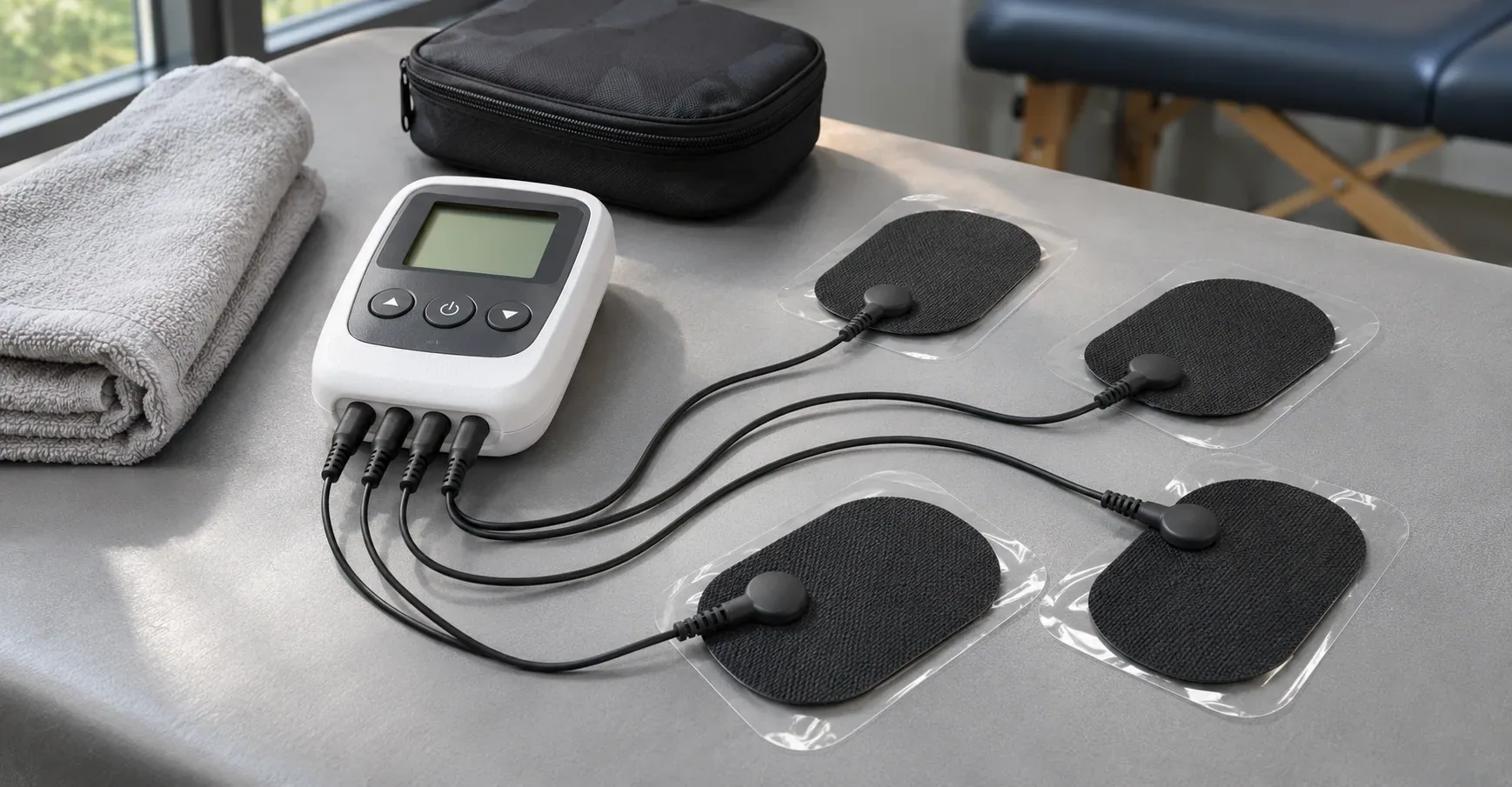
An electric muscle stimulator might catch your attention if you're looking for a convenient way to activate your muscles or support a physical therapy routine. These small devices use electrical pulses to produce muscle contractions, often through adhesive pads placed on your skin.
But before buying one, you probably have a few questions. Are these devices safe? Do they actually work? And what should you look for when comparing different models?
The answers depend on the device, your health, and how you plan to use it. You can explore electrical stimulation devices for home use while learning about their features and safety requirements.
Is an Electric Muscle Stimulator Safe to Use at Home?
An electric muscle stimulator can be safe for certain users when the device meets applicable safety requirements and is used according to its instructions.
However, electrical stimulation isn't appropriate for everyone. Some medical conditions, implanted devices, and improper electrode placements can make its use dangerous.
The U.S. Food and Drug Administration (FDA) regulates electrical muscle stimulators as medical devices. Manufacturers must meet applicable regulatory requirements before legally marketing these products in the United States.
The FDA has also received reports of burns, shocks, skin irritation, bruising, and pain associated with some electrical stimulation devices.
That's why checking safety information before purchasing matters.
How Does an Electric Muscle Stimulator Work?
Electrical muscle stimulation uses controlled electrical pulses to stimulate nerves that cause muscles to contract.
Small electrodes placed against the skin deliver these pulses to targeted areas.
Depending on the device and its intended use, stimulation may support muscle activation or certain rehabilitation treatments.
Some devices are designed for clinical settings, while others are marketed for appropriate home use.
Tactical X Gear sells abdominal stimulators, TENS and EMS devices, and NMES equipment. Each product family has different intended functions and instructions.
You can review muscle stimulation device categories to understand how the available designs differ.
What Are the Different Types of Muscle Stimulators?
Electrical stimulation devices may look similar, but they can serve different purposes.
Understanding these differences helps you choose a device that matches your needs.
| Device Type | Main Function | Common Uses |
|---|---|---|
| EMS | Produces muscle contractions | Muscle activation and selected rehabilitation uses |
| TENS | Stimulates sensory nerves | Temporary pain management in some conditions |
| NMES | Stimulates nerves that activate muscles | Muscle rehabilitation and neuromuscular training |
| Ab stimulator | Targets abdominal muscles | Muscle contraction and limited toning applications |
EMS Muscle Stimulators
An EMS muscle stimulator sends electrical impulses through electrodes to cause muscle contractions.
In healthcare settings, EMS may be used under professional supervision for muscle re-education, certain muscle spasms, and rehabilitation.
Consumer devices may have different intended uses.
However, EMS doesn't replace regular exercise, strength training, or medical treatment.
TENS vs EMS: What's the Difference?
The main difference in TENS vs EMS is the intended target.
TENS, or transcutaneous electrical nerve stimulation, primarily stimulates sensory nerves and may provide temporary pain relief for some people.
EMS focuses on producing muscle contractions.
Some devices include both functions, allowing users to select different programs.
If you're comparing dual-mode devices, examine TENS and EMS product features and check the intended uses described in their instructions.
Who Should Avoid Using an Electric Muscle Stimulator?
Electrical stimulation isn't suitable for everyone.
Certain health conditions and medical devices can increase the risk of complications.
People With Pacemakers or Implanted Electronic Devices
People with cardiac pacemakers should not use powered muscle stimulators unless their treating specialists specifically establish that a particular treatment is safe.
Electrical stimulation can interfere with implanted electronic devices, including pacemakers and defibrillators.
This interference can be dangerous.
If you have an implanted electronic medical device, consult your specialist before using any electrical stimulation equipment.
Pregnant Individuals
The safety of electrical muscle stimulation during pregnancy hasn't been established.
Avoid using these devices during pregnancy unless a qualified healthcare professional specifically recommends an appropriate treatment.
People With Certain Medical Conditions
You should seek medical advice before using electrical stimulation if you have epilepsy, significant heart disease, impaired skin sensation, or another condition that may affect treatment safety.
Avoid placing electrodes over infected, swollen, irritated, or damaged skin.
Stimulation should also not be applied across the chest, over the front of the neck, or across the head.
Always follow the device's approved placement instructions.
What Are the Possible Side Effects of Muscle Stimulators?
Understanding muscle stimulator side effects can help you recognize problems early.
Not everyone experiences side effects, but they can occur even when a device is used at home.
Skin Irritation
Adhesive electrodes may cause redness, itching, or discomfort.
People with sensitive skin may react to the gel or adhesive material.
If irritation occurs, stop using the device and check the manufacturer's instructions.
Uncomfortable Muscle Contractions
Electrical stimulation causes muscles to contract.
If the intensity is too high, the contractions may feel uncomfortable or painful.
Using settings beyond the recommended range can increase the risk of injury.
Burns and Electrical Shocks
The FDA has received reports of burns and shocks associated with some muscle stimulation devices.
Damaged cables, unsuitable electrodes, incorrect placement, and improper use may increase safety risks.
Stop using a device immediately if you experience burning, sharp pain, or unusual sensations.
Seek medical attention for serious or persistent symptoms.
You can compare muscle stimulator designs and safety instructions when researching equipment for home use.
Do Electric Muscle Stimulators Actually Work?
Electrical muscle stimulators can produce muscle contractions, but their benefits depend on the device and intended use.
In clinical settings, certain FDA-cleared devices are used for muscle rehabilitation and related treatments.
However, results from supervised medical treatment shouldn't automatically be applied to consumer fitness devices.
Can EMS Help Strengthen Muscles?
Some electrical stimulation devices may help improve muscle activation or strength under appropriate conditions.
However, the results depend on stimulation settings, treatment duration, and the user's physical condition.
EMS alone is not an equivalent replacement for conventional strength training.
Can Ab Stimulators Burn Belly Fat?
No convincing evidence shows that abdominal stimulators directly burn belly fat or produce significant weight loss.
The FDA states that electrical muscle stimulation may temporarily strengthen or tone muscles, but these devices haven't been cleared for weight loss or substantial changes in body measurements.
If your goal is general fitness, regular physical activity and appropriate nutrition remain important.
What Features Should You Look for Before Buying?
Choosing a portable muscle stimulator involves checking safety, usability, and included accessories.
The right features depend on how you intend to use the device.
Adjustable Intensity Settings
Look for clearly labeled intensity controls.
A device should allow you to adjust stimulation according to its instructions and your comfort.
Higher intensity isn't automatically better.
Clear Electrode Placement Instructions
Electrode placement affects both safety and the intended stimulation.
Choose a device with clear diagrams showing where the pads can and cannot be placed.
Avoid products that encourage unrestricted use across the body.
Power and Battery Options
Some stimulators use rechargeable batteries, while others operate with replaceable batteries.
Check charging instructions, battery specifications, and included accessories.
Use only the power equipment recommended by the manufacturer.
Replacement Gel Pads
Electrode pads wear out over time.
Before purchasing, check their expected replacement requirements and the availability of compatible accessories.
You can review available stimulation devices and replacement accessories while comparing maintenance needs.
Why Does FDA Clearance Matter?
An FDA-cleared muscle stimulator has undergone an applicable FDA review process for its stated intended use.
Clearance doesn't mean that a device is risk-free or approved for every advertised purpose.
It also doesn't mean that the FDA endorses the product.
How Can You Verify a Device's Regulatory Status?
Ask the manufacturer for the exact model name and applicable FDA clearance number.
You can check the FDA's public medical device databases to verify relevant information.
Be careful with broad statements such as "FDA certified" when no supporting documentation is provided.
A seller's claim of FDA clearance should be independently verified for the specific model and intended use.
Tactical X Gear describes its TENS and EMS products as FDA-cleared on certain product pages. That claim should be checked against FDA records before relying on it.
How Much Does an Electric Muscle Stimulator Cost?
Prices vary based on the device type, controls, included electrodes, and accessories.
Basic abdominal stimulators and advanced dual-mode devices may have different price points.
For example, Tactical X Gear's published website listings show these advertised prices:
| Product Category | Advertised Price |
|---|---|
| Original ABS Stimulator | $79.99 |
| Original TENS & EMS 3.0 | $139.99 |
| NMES Device | $79.99 |
These are advertised U.S. website prices observed in November 2026. Discounts, availability, and checkout totals may change.
What Other Costs Should You Check?
The purchase price isn't the only expense.
You may also need replacement electrode pads, batteries, or charging accessories.
Check shipping costs, warranty coverage, and return conditions before ordering.
You can check current muscle stimulation equipment prices while comparing the total cost of ownership.
How Can You Use a Muscle Stimulator Safely?
Safe use begins with reading the product's instructions and confirming that the device is appropriate for you.
Never assume that a setting or electrode placement suitable for another person will be appropriate for your body.
Follow these basic precautions:
- Read the complete user manual before operating the device.
- Check electrodes, cables, and connectors for visible damage.
- Use only the recommended electrode locations.
- Begin with the manufacturer's recommended settings.
- Never use stimulation while driving, bathing, or operating machinery.
- Stop immediately if you experience pain, burning, dizziness, or unusual symptoms.
- Follow the recommended session duration and cleaning instructions.
Avoid using electrical stimulation over areas with broken skin or where you cannot feel stimulation normally.
If you're receiving physical therapy, follow your clinician's treatment plan rather than creating your own settings.
You can look through device setup and care information before deciding which equipment is appropriate.
Is an Electric Muscle Stimulator Right for You?
An electric muscle stimulator may be worth researching if you're interested in muscle activation or have been advised to use electrical stimulation as part of a rehabilitation program.
However, these devices aren't suitable for every person or every fitness goal.
Before buying, ask yourself:
- Is the device appropriate for your health and intended use?
- Does it meet applicable FDA regulatory requirements?
- Are the electrode placement instructions clear?
- Can you adjust the settings safely?
- Are replacement accessories readily available?
- Does the total price fit your budget?
If you're interested in comparing equipment, explore muscle stimulation devices and their specifications before making a purchase.
The right device should have clear instructions, suitable safety features, and a documented intended use that matches your needs. When in doubt, consult a qualified healthcare professional before starting electrical stimulation.