Maintain Your Ishow Hair Water Wave Wig
Learn expert care tips and styling techniques for your Ishow Hair Water Wave Wig. Discover how to prevent tangling, extend wig lifespan, and keep waves bouncy and voluminous. Complete maintenance guide inside.
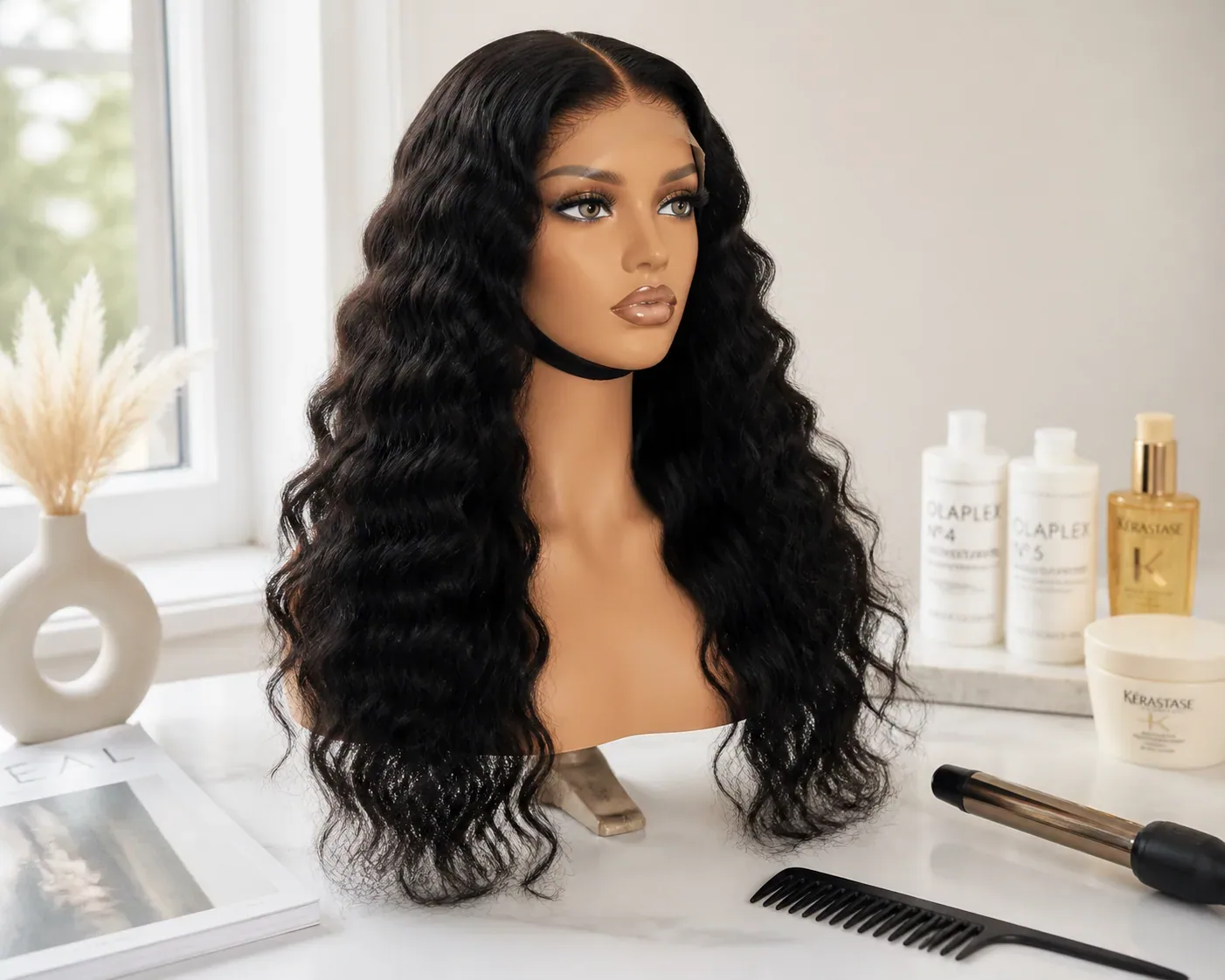
Over 70% of wig wearers struggle with tangling and frizz within the first few months of ownership—yet most don't realize that simple maintenance habits can completely transform their wig's longevity. Your hair investment deserves more than a occasional rinse and a toss into a drawer. The Ishow Hair Water Wave Wig has earned its reputation as a best-seller because it delivers that coveted voluminous, bouncy texture with minimal daily effort, but even the finest human hair wig requires intentional maintenance to preserve its softness, movement, and that signature water wave definition.
This guide walks you through everything you need to know about keeping your Ishow Hair Water Wave Wig in pristine condition, from washing and conditioning protocols to heat styling without damage, storage solutions that prevent tangling, and troubleshooting common issues. You'll discover exactly which products work best, learn the techniques that protect your wave pattern, and understand how seasonal changes affect your maintenance schedule.
Establishing Your Weekly Water Wave Wig Washing Routine
Frequency guidelines for human hair wigs based on wear intensity and lifestyle
How often you wash your wig depends largely on how frequently you wear it and your daily environment. If you wear your wig 5-7 days a week in an urban setting with pollution and heat, washing every 7-10 days keeps buildup at bay. For those wearing their wig 2-3 times weekly or primarily for special occasions, washing every 2-3 weeks suffices. The goal is preventing product accumulation while avoiding over-washing, which strips natural oils and weakens the wave pattern. Pay attention to how your waves look and feel—if they appear dull or feel stiff, it's time to wash.
Choosing sulfate-free, moisturizing shampoos specifically formulated for textured hair
Standard drugstore shampoos contain sulfates that strip moisture and cause frizz, making them unsuitable for textured waves. Instead, opt for sulfate-free, hydrating formulas designed for curly or wavy hair. Look for shampoos containing ingredients like argan oil, coconut oil, or glycerin—these penetrate the hair shaft and lock in moisture rather than depleting it. Many brands now offer wig-specific shampoos, but quality curl-focused products work equally well. Avoid clarifying shampoos unless you're addressing significant buildup, as their intensity damages delicate wave structures.
Gentle cleansing techniques that protect wave pattern and prevent frizz
The washing method matters as much as the product itself. Start by gently detangling your wig with a wide-tooth comb before water contacts it—wet hair is more vulnerable to breakage. Fill a sink or basin with lukewarm water (never hot, which opens the cuticle and causes frizz) and add a small amount of shampoo. Submerge the wig and gently swish it through the soapy water for 3-5 minutes without aggressive scrubbing. Focus on the scalp area where buildup accumulates. Rinse thoroughly under cool running water until the water runs clear. When removing excess water, squeeze gently rather than wringing—think of it as pressing water out, not forcing it through the fibers.
Conditioning and Deep Treatment Strategies for Lasting Softness
Lightweight conditioners that hydrate without weighing down waves
After shampooing, conditioning is non-negotiable for maintaining that signature softness. Apply conditioner from mid-shaft to ends, avoiding the roots where it can cause flatness. Leave it on for 3-5 minutes, allowing the formula to penetrate and restore moisture. Lightweight conditioners designed for textured or curly hair provide hydration without the heaviness that flattens waves. Silicone-based conditioners coat the hair and create shine, but for water waves, water-soluble conditioners work better as they condition without buildup. Rinse with cool water—the cooler temperature seals the cuticle and enhances wave definition.
Deep conditioning masks and their role in preventing dryness and brittleness
Weekly or bi-weekly deep conditioning elevates your maintenance game significantly. Deep conditioning masks penetrate further than rinse-out conditioners, delivering intensive moisture that prevents the brittleness that leads to breakage. Apply a deep conditioning mask to damp hair, comb through gently to distribute evenly, and leave it on for 15-30 minutes. Some people wrap their wig in a towel or plastic cap during this time to increase absorption. This step is especially crucial if you're heat styling regularly, as heat depletes moisture. Quality deep conditioning masks often contain proteins and amino acids that repair damage and strengthen the hair structure.
Leave-in conditioner application techniques for mid-week refreshment
Between washes, leave-in conditioners refresh your waves and combat frizz without requiring a full wash cycle. These lightweight products spray or pour on damp hair and remain in place. Apply leave-in conditioner sparingly—a little goes a long way—focusing on mid-shaft and ends while avoiding the roots. Use a spray bottle to mist your wig lightly, then finger-comb or use a wide-tooth comb to distribute the product. This mid-week refresh restores softness and helps your waves hold their shape, extending the time between full washes.
Detangling Without Damage: Protecting Your Wave Pattern
When and how to detangle (wet vs. dry hair considerations)
Detangling timing significantly impacts breakage rates. Wet hair is more elastic and prone to snapping, so many stylists recommend detangling dry or barely damp hair first, removing major knots before water contact. Once you've loosened the bulk of tangles, wet the wig and use conditioner as a slip agent to work through remaining knots. Never detangle completely dry, textured hair with force—the friction generates frizz and breaks strands. The ideal approach: gently detangle dry with a wide-tooth comb, then use conditioner-slicked wet detangling for stubborn areas.
Wide-tooth comb vs. paddle brush selection for textured waves
Your tool choice directly affects wave preservation. Wide-tooth combs are superior for textured hair because their spacing prevents snagging and breaking. Start with a wide-tooth comb to work through tangles, then graduate to a paddle brush once major knots are gone. Avoid fine-tooth combs and brushes with tightly spaced bristles—these disrupt wave patterns and cause frizz. Some people prefer their fingers for initial detangling, using gentle pulling motions to separate sections without breaking. Invest in a quality wide-tooth comb made from materials that glide smoothly through hair without creating static.
Section-by-section detangling methodology to prevent breakage
Systematic detangling prevents the frustration of missed tangles and reduces breakage significantly. Divide your wig mentally into four sections: front left, front right, back left, and back right. Work through each section independently, starting at the ends and gradually working toward the roots. This methodical approach ensures no area gets overlooked and prevents the temptation to use force on stubborn knots. Take your time—rushing leads to breakage. For particularly resistant tangles, apply additional conditioner or detangling spray to that specific area and wait a few minutes before attempting to comb through.
Heat Styling Your Water Wave Wig Safely and Effectively
Temperature guidelines for straightening, curling, and re-waving human hair
Human hair can withstand heat, but temperature control determines whether you're refreshing your style or causing permanent damage. For water wave wigs, keep temperatures between 250-350°F for most styling purposes. At 250-300°F, you can straighten sections or refresh waves without excessive risk. Never exceed 400°F, as this damages the protein structure irreversibly. Straightening irons should run around 300-350°F for clean results without damage. If you're re-waving flattened sections, 300°F is ideal—hot enough to set new waves but cool enough to preserve the hair's integrity. Always start at lower temperatures and increase only if needed.
Protective products and heat sprays that shield hair from damage
Heat protectant sprays create a barrier between your styling tool and the hair shaft, reducing moisture loss and damage. Apply heat protectant spray to damp hair before blow-drying or flat ironing, allowing it to dry completely. Look for products containing silicones or natural oils like argan or coconut oil—these coat the hair and reflect some heat. For blow-drying, use a concentrator nozzle on your dryer rather than letting heat scatter randomly. Some heat protectants also include anti-frizz properties, which benefit water wave wigs in humid conditions. Reapply these products if you're doing multiple styling sessions in one week.
Techniques for refreshing waves without excessive heat application
You don't need to use heat every time you want to refresh your waves. Many heat-free methods preserve your wig's longevity while keeping waves looking fresh. Wet your wig lightly, apply a wave-setting lotion or mousse designed for curls, then braid or twist sections while damp and let them air dry overnight. This method resets waves without any heat. Alternatively, use a curling iron or wave iron sparingly—perhaps once every two weeks rather than weekly. When you do use heat, work efficiently: have your tool preheated, section your hair, and style quickly to minimize total heat exposure. This balanced approach keeps your waves voluminous without overexposing the hair to damage.
Storage Solutions That Preserve Wave Texture and Prevent Tangling
Wig stand vs. wig head storage comparison and benefits
Your storage method affects how your wig looks when you wear it next. A wig stand designed for your specific wig cap size is superior to a wig head because it maintains the wig's shape without crushing the crown. Wig stands typically have a T-shaped base that holds the wig without pinching, and they allow air circulation around the entire wig. A wig head (the foam or plastic mannequin head) can work but may flatten sections if not positioned carefully. If using a wig head, choose one sized appropriately for your wig and position it so weight distributes evenly. Never store your wig in a drawer or on a regular hat rack—these crush waves and create creases that take weeks to disappear.
Proper positioning to maintain wave pattern during storage
How you position your wig on its stand matters for wave preservation. Place the wig on your stand gently, ensuring it sits naturally without stretching or bunching. The front hairline should align with the stand's front edge, and the back should rest evenly. Avoid hanging wigs by the hair—this stretches the base and can cause tension alopecia. If your wig has styling you want to preserve (like specific waves in certain sections), you can gently pin or clip sections in place on the stand while they dry. This maintains the exact wave pattern and prevents them from flattening or shifting during storage.
Humidity-controlled storage environments to prevent frizz
Environment matters as much as equipment. Store your wig in a cool, dry location away from direct sunlight, which bleaches hair color and weakens the protein structure. High humidity environments cause frizz and wave loosening, so avoid basements or bathrooms with poor ventilation. Instead, choose a bedroom closet or dry storage area. If you live in a humid climate, consider using a small dehumidifier in your storage space or placing silica gel packs nearby to absorb moisture. Temperature stability also matters—avoid areas with extreme temperature fluctuations, as this causes the hair to expand and contract, leading to frizz and wave loss. A consistent 60-70°F environment is ideal.
Troubleshooting Common Water Wave Wig Issues
Addressing shedding causes and when it indicates a problem vs. normal hair loss
Some shedding is normal when you're detangling or washing, but excessive shedding signals a problem. Losing 5-10 strands during a wash or detangle session is typical, but 20+ indicates something's wrong. Common causes include harsh detangling techniques, using sulfate shampoos, insufficient conditioning, or excessive heat styling. If you notice shedding, reduce heat use immediately, switch to a sulfate-free shampoo, and increase conditioning frequency. If shedding persists after two weeks of improved care, the issue may be with the wig itself—improper ventilation or a defect in the cap could be causing hair loss. Check your wig's construction at the base to ensure knots are secure. Most quality wigs shed minimally when maintained properly.
Restoring waves that have loosened or flattened over time
Waves naturally relax with repeated brushing, heat styling, and moisture exposure—this is normal. When your waves start looking limp, several methods restore their definition. The simplest approach: wet your wig, apply a wave-setting lotion or mousse, then braid or twist sections overnight while they dry. For faster results, use a curling iron or wave iron at 300°F, working section by section. Some people use perm rods or large curlers with damp hair, leaving them in for several hours or overnight, then removing them gently once dry. These heat-free or low-heat methods reset waves without the damage of frequent flat ironing or excessive heat styling.
Fixing frizz and flyaways with targeted treatments
Frizz typically stems from low moisture levels or humidity exposure. Address this with weekly deep conditioning and leave-in conditioner applications for mid-week refreshment. Anti-frizz serums or oils applied to damp hair seal the cuticle and smooth flyaways—use these sparingly, as excess product causes greasiness. A light hairspray after styling holds your waves in place and protects against humidity-induced frizz. If frizz is severe and persistent, evaluate your storage environment for humidity issues. Investing in a humidifier-equipped storage space often solves widespread frizz problems. Avoid touching your hair excessively once styled, as friction generates frizz even in well-maintained wigs.
Seasonal Care Adjustments for Year-Round Wig Maintenance
Summer humidity management to prevent frizz and wave loss
Summer heat and humidity are a water wave wig's nemesis, causing frizz, wave loosening, and accelerated product buildup. Combat this with more frequent washing—every 5-7 days instead of every 10 days—to prevent sweat and humidity from accumulating on the hair. Use lightweight, hydrating products that won't weigh down waves in heat. Apply anti-frizz serum before wearing your wig and carry it with you for touch-ups if needed. Store your wig in a cool, dry location with a dehumidifier running. Consider wearing your wig in protective styles like braids or twists during summer, as these minimize wave loosening and frizz. If you're swimming, wet your wig with fresh water and apply leave-in conditioner before entering chlorinated or saltwater pools—this prevents the wig from absorbing damaging chemicals.
Winter dryness solutions and increased conditioning frequency
Winter's low humidity and indoor heating cause severe dryness in hair, leading to brittleness and breakage. Increase deep conditioning to twice weekly during winter months. Use heavier conditioners and deep conditioning masks with stronger moisturizing properties. Apply leave-in conditioner more frequently—perhaps every 2-3 days instead of weekly. Humidifiers in your home (both general and near your wig storage) combat the drying effects of central heating. During winter, avoid excessive heat styling even more than usual, as the combination of dry air and heat accelerates damage. Consider protective styles that minimize daily styling needs and heat exposure. Winter is also ideal for scalp treatments and intensive care routines since you're less likely to be swimming or engaging in activities that require frequent wig washing.
Chlorine and saltwater protection for beach and pool wear
Chlorine and salt water contain harsh chemicals that strip moisture, change color, and weaken hair structure. If you plan to swim, preparation is key. Before entering any water, wet your wig thoroughly with fresh water and apply a leave-in conditioner or protective spray. This saturates the hair with fresh water and conditioner, leaving less room for chlorinated or salty water to penetrate. After swimming, rinse your wig immediately with copious amounts of fresh water. Soak it in a basin of fresh water with a dechlorinating shampoo designed for color-treated or sensitive hair. Condition intensively afterward, as chlorine and salt are extremely dehydrating. Limit wig-wearing for water activities—chlorine exposure should never be more than once weekly if possible. For frequent swimmers, investing in a dedicated swimwear wig or a synthetic option (which handles chlorine better) might be worthwhile.
Extending Your Wig's Lifespan: Long-Term Investment Strategies
Expected wear duration for properly maintained Ishow Hair wigs
A properly maintained Ishow Hair Water Wave Wig typically lasts 2-3 years with daily wear, or significantly longer with occasional wear. The human hair construction means your wig doesn't have an expiration date like synthetic wigs do—instead, it gradually shows wear as individual hairs break or shed. With diligent maintenance including regular conditioning, proper storage, and careful heat styling, many wearers extend their wig's lifespan to 3-4 years or beyond. The investment in quality products and careful handling pays dividends over time. Expect the wig to show subtle signs of aging before it becomes unwearable—less volume, slightly looser waves, or more frequent tangling are typical indicators that you're nearing the end of its optimal lifespan.
Quality indicators that signal your wig is still performing well
Monitor these signs to know if your wig is still in good condition: waves hold their shape for 3-5 days after styling, the hair feels soft and supple to the touch, shedding remains minimal (under 10 strands per wash), color remains vibrant without fading, the lace front (if applicable) still looks natural and undetectable, and the cap construction feels secure without loose knots. If you're noticing persistent tangles, excessive shedding despite proper care, or waves that won't hold no matter what you do, your wig is reaching the end of its life. However, these signs often indicate that your current maintenance routine needs adjustment rather than that the wig itself is failing. Before assuming your wig is done, try intensifying your care routine—sometimes a return to basics with quality products and careful handling revitalizes an wig that seemed past its prime.
Preventative care practices that maximize longevity
Consistency is the ultimate longevity strategy. Establish a regular washing schedule and stick to it rather than washing sporadically. Invest in quality products from the start—sulfate-free shampoos, hydrating conditioners, and heat protectants are non-negotiable. Store your wig properly on a wig stand in a humidity-controlled, temperature-stable environment. Minimize heat styling frequency and always use protective products when you do apply heat. Detangle gently and systematically rather than with force. Deep condition regularly and adjust frequency seasonally. Most importantly, handle your wig with intention—these aren't momentary accessories but investments in your appearance and confidence. When you approach wig care as a valued practice rather than a chore, your actions reflect that mindset, and your wig responds by maintaining its beauty for years.
Your Water Wave Wig Deserves Intentional Care—Here's Your Action Plan
The Ishow Hair Water Wave Wig represents a meaningful investment in your appearance and confidence, and proper maintenance transforms it from a seasonal accessory into a reliable, long-lasting staple. By implementing these care strategies—from your weekly washing routine to strategic storage and heat styling—you're essentially protecting your investment while keeping those signature bouncy waves looking fresh and voluminous.
Start with one or two of these practices this week: perhaps invest in a quality wig stand and sulfate-free shampoo. Once those become second nature, layer in the deep conditioning treatments and detangling protocols. You'll notice the difference almost immediately—your waves will feel softer, look shinier, and maintain their texture far longer than before.
Ready to transform your wig care routine? Shop Ishow Hair's water wave wig collection today and commit to one weekly maintenance session that keeps your waves looking stunning.