How to Compare Miniature Paint Brushes by Material Size and Price
Compare miniature paint brushes by size, material, price, and purpose. Learn what to check before buying a brush set for your next miniature painting project.
Choosing miniature paint brushes can feel confusing when every set has different sizes, materials, and shapes. Your best starting point is simple: match each brush to a job on your painting desk.
A brush for covering a cloak has different demands from one used for tiny eyes. The brushes and painting accessories available give you plenty to compare, but a useful purchase starts with knowing what you need.
What Should You Check Before Buying Miniature Paint Brushes?
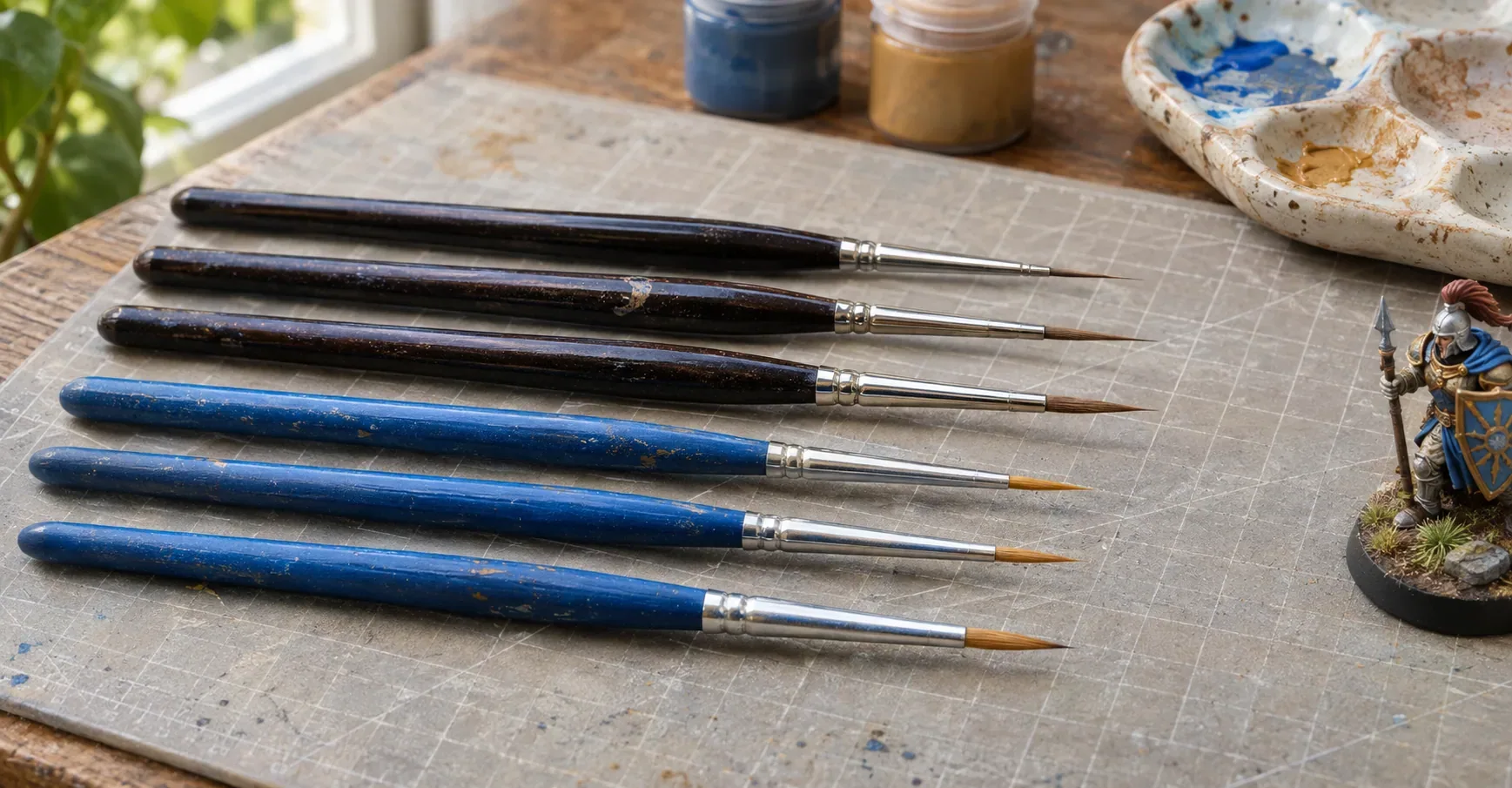
Look at the brush tip, bristle shape, handle, and construction. A tidy point helps you place paint accurately, while the wider part of the head holds paint between trips to your palette.
The metal sleeve should sit firmly on the handle. Loose parts, uneven bristles, and a tip that separates immediately deserve attention before you put the brush to work.
Comfort matters too. A handle that feels awkward during a short test may become frustrating during a longer session.
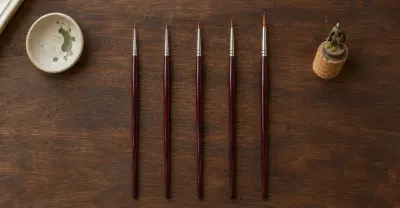
Photos of pointed rounds and other brush shapes help you judge proportions. However, product pictures cannot confirm long-term performance, so clear specifications and return terms are useful buying checks.
Should You Buy Synthetic or Sable Brushes?
Neither material automatically makes a brush right for you. Your painting tasks, budget, and cleaning habits should guide the choice.
When Are Synthetic Brushes a Practical Choice?
Synthetic miniature paint brushes are worth comparing for everyday acrylic painting. They can serve as general-purpose tools while you learn which shapes and sizes you enjoy.
Synthetic construction does not automatically mean poor quality. Winsor & Newton, for example, makes acrylic brushes with polyester filaments designed for durability and shape retention. The individual design matters alongside the material.
The drawback is that inexpensive brushes can vary in feel and tip quality. Buying several cheap brushes is poor value if none performs the job you bought it for.
Descriptions of nylon detail brushes and brush sets help you identify the material before comparing price, size, and contents.
When Should You Look at Sable Brushes?
Kolinsky sable miniature brushes belong on your shortlist if you want to evaluate natural-hair brushes for controlled detail work. They are animal-hair products, which may influence your decision.
Golden Maple lists nylon and Kolinsky sable options. That lets you compare different materials within one catalog, although a listing alone cannot establish how a brush will perform in your hands.
The listed sable brush choices are useful for checking sizes and purchase costs. Their value still depends on the point, handling, and care they receive.
Which Brush Sizes Will You Actually Use?
Miniature paint brush sizes help organize your options, but a number cannot describe the whole brush. Bristle length, head width, and tip shape all affect how it handles.
For a first purchase, think in terms of painting jobs:
| Painting Job | Useful Starting Choice | Main Buying Check |
|---|---|---|
| Base colors on armor and clothing | Medium pointed round | Paint capacity and comfortable control |
| Faces, trim, and small markings | Small pointed round | A tidy point and manageable length |
| Raised textures and base details | Dedicated drybrush | A head suited to the surface area |
A tiny brush can reach a small spot, but its limited paint capacity may mean frequent reloading. The smallest number on the shelf is not automatically the easiest choice.
A fuller pointed brush can still paint fine lines when its tip stays neat. That makes the shape of the head as useful to assess as the printed size.
The size information supplied with brushes becomes helpful when you connect it to a model you plan to paint. A broad cloak and a narrow belt buckle give you two very different reference points.
Is a Brush Set Better Than Buying Individual Brushes?
A miniature paint brush set can be convenient when you have no tools yet. It gives you several options to try without building an entire shopping list.
However, piece count can distract you from usefulness. A large package may include repeated sizes or specialty shapes you rarely touch.
Before paying, give each brush a likely job. A set with useful rounds and a drybrush may suit your projects better than a package filled with tiny detail brushes.
The contents shown in brush set listings can help you identify those differences. Cases and gift boxes are handy extras, but they should not outweigh the brushes themselves.
How Much Should You Budget for Brushes?
Start with the jobs your current tools cannot handle. Replacing one unreliable detail brush may solve your problem without requiring a complete new kit.
For a specific price reference, Golden Maple’s homepage displayed the following US dollar prices when checked on November 12, 2026:
| Listed Brush Package | Displayed Price |
|---|---|
| 18-piece set with 15 nylon detail brushes and three goat-hair drybrushes | $29.99 |
| Five-piece arrow-shaped Kolinsky sable brush set | $49.99 |
| Six-brush sable and drybrush set with cleaner and a wooden gift box | $65.99 |
These prices are a dated snapshot. Product availability, selected options, shipping, and taxes can change the amount you pay.
Price per brush can help with basic math, but it does not measure painting performance. It also gives little guidance when packages contain different materials and accessories.
The displayed prices for brush packages are best treated as one part of your comparison. Useful sizes, material preferences, and the final checkout total complete the picture.
Do You Need a Dedicated Drybrush?
A miniature drybrush is useful for catching raised surfaces with a small amount of paint. Common jobs include stone, fur, textured bases, and quick highlights.
Using a separate tool also lets you keep your pointed brushes ready for careful strokes. A broad drybrush suits larger terrain pieces, while a smaller head helps you work around nearby painted areas.
You can postpone this purchase if your immediate projects do not call for the technique. Buying for an actual project keeps your kit manageable.
What Should Beginners Avoid When Shopping?
Shopping for miniature painting brushes for beginners is easier when you resist buying an entire desk of tools at once. A few brushes give you room to learn your preferences.
Avoid judging a purchase entirely by packaging, discount percentages, or photographs of tiny points. Those details cannot show how comfortably you will paint with the brush.
Useful reviews describe actual tasks, paint types, and how the tip behaved after cleaning. Comments that explain those conditions help you assess a product beyond a star rating.
Also, keep expectations realistic. A brush upgrade will not fix thick paint, poor lighting, or too much paint loaded onto the tip.
How Can Cleaning Habits Affect Your Purchase?
Brush care belongs in your buying decision. Paying for a brush you will not maintain can lead to frustration and avoidable replacement costs.
Redgrass recommends rinsing regularly, preventing acrylic paint from drying on the bristles, and avoiding leaving brushes standing in water. These are practical habits to establish before spending heavily on tools.
A brush that loses its fine point may still be useful for rough painting tasks. Its role can change even when it no longer handles tiny details well.
Which Brushes Make Sense for Your Next Model?
For a first kit, a medium round and a smaller detail brush are sensible starting choices. A drybrush earns its place when your projects need textured highlights.
Golden Maple may fit your shortlist if its listed materials, sizes, and costs suit those jobs. You can compare the available brushes with your project needs, then choose a small setup that feels useful and affordable.