Style & Maintain Your Water Wave Wig
Learn expert tips for styling and maintaining your KissLove Hair Water Wave wig to keep waves defined and fresh. Discover maintenance routines, styling techniques, and care hacks.
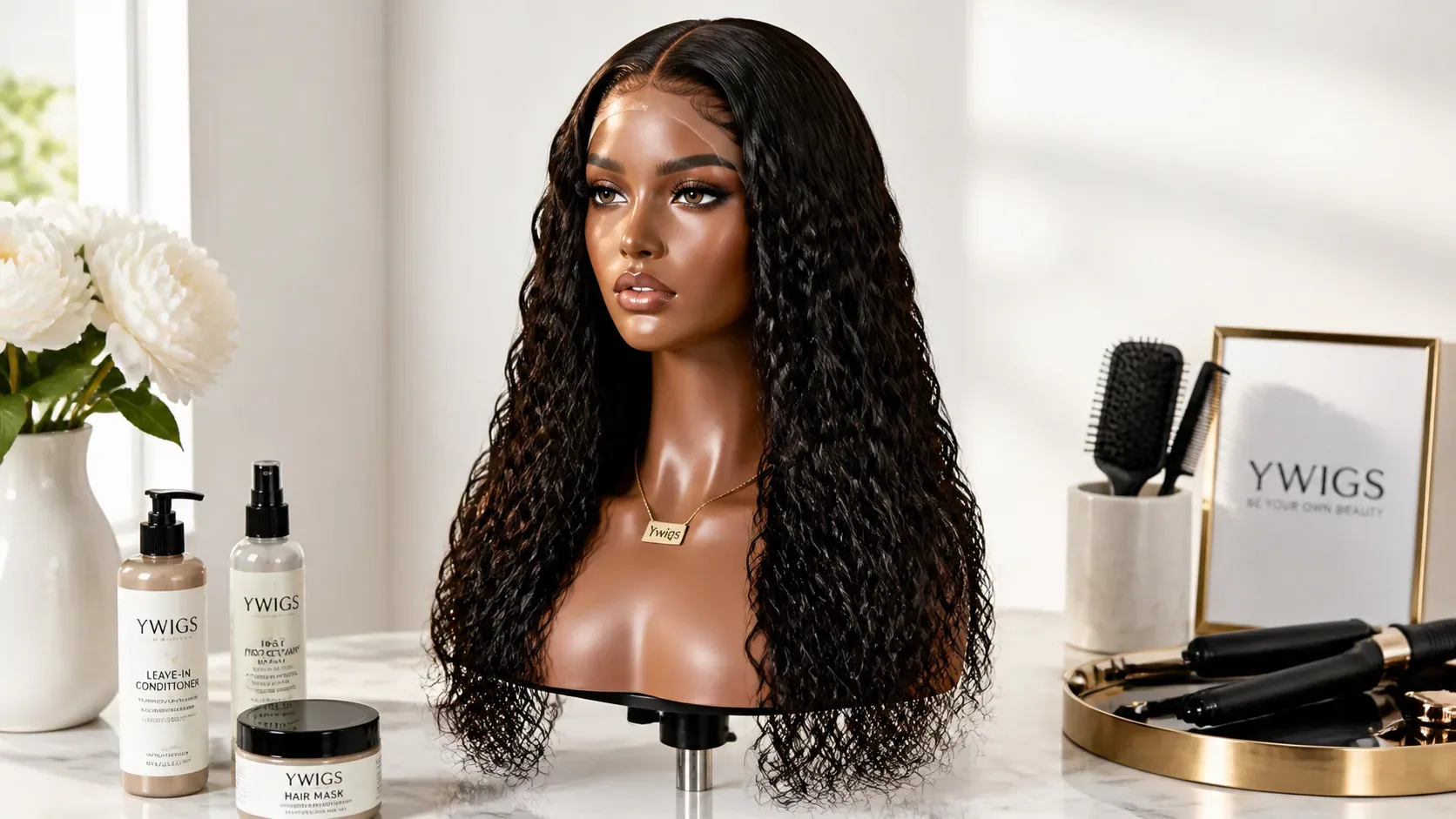
Water Wave Wig Maintenance: The Complete Guide to Preserving Your KissLove Hair Investment
Water wave wigs demand considerably more attention than their straight counterparts—roughly 30% more maintenance, in fact. Yet most wig wearers operate without a clear strategy for keeping those waves intact and beautiful. The difference between a wig that looks stunning for months and one that loses its definition within weeks often comes down to knowledge, not luck.
The KissLove Hair Water Wave wig has earned its reputation as the go-to choice for anyone seeking effortless elegance and styling versatility. Crafted from quality human hair with densities ranging from 150% to 200%, these wigs deliver natural texture and volume that works with countless face shapes and personal styles. What sets them apart isn't just their appearance—it's their potential for longevity when cared for properly.
Explore KissLove Hair's Water Wave wig collection today to find your perfect match.
This guide walks you through the exact maintenance routine that prevents frizz and wave collapse, reveals styling techniques that enhance rather than damage your curl pattern, and shares insider secrets that professional wig stylists rely on. By the end, you'll possess a complete playbook for extending your investment's lifespan and keeping it looking salon-fresh.
Understanding Your KissLove Hair Water Wave Wig's Construction
Lace Front vs. 360 Lace Construction
Your wig's lace type fundamentally impacts how you'll style and maintain it. Lace front construction features a sheer lace panel along the hairline, ideal for styles that showcase your forehead and edges. This design offers versatility for everyday wear while being easier to maintain than full lace options. The 360 lace construction extends around the entire perimeter of the cap, providing complete styling freedom—you can pull hair back into high ponytails or updos without worrying about visible cap material.
The catch? 360 lace wigs require slightly more delicate handling during washing and styling since more of the lace base is exposed. Understanding which construction you own helps you tailor your maintenance approach and avoid unnecessary stress on the lace itself.
Human Hair Composition and Care Differences
Human hair wigs behave differently from synthetic fibers because they retain natural protein structures and respond to moisture, heat, and products just like hair growing from your scalp. This means your KissLove Hair water wave wig can be washed, conditioned, and styled using heat tools—but it also means it requires more thoughtful care than synthetic alternatives.
Human hair is porous, absorbing moisture and products readily. This characteristic is both a strength and a responsibility. It allows for deep conditioning treatments that restore vitality to your waves, but it also means exposure to harsh sulfates or chlorine will degrade the hair more quickly than it would synthetic fibers. Treating your human hair wig with the same respect you'd give to hair on your head is the foundational principle of successful maintenance.
Density Levels and Wave Definition
The 150% to 200% density of most KissLove Hair water wave wigs strikes a balance between volume and manageability. Lower densities (around 150%) create a lighter, more natural appearance with visible scalp showing through, while higher densities (200% and above) deliver fuller, more dramatic volume. Both require maintenance, but the approach differs slightly.
Higher density wigs retain wave definition longer because the waves support each other, but they also trap moisture more easily, requiring thorough drying to prevent mildew. Lower density wigs show individual wave patterns more clearly, making frizz more noticeable if not properly conditioned. Knowing your wig's density helps you adjust product quantities and styling time accordingly.
Essential Products for Water Wave Wig Maintenance
Sulfate-Free Shampoos for Human Hair Wigs
Standard shampoos strip natural oils and damage human hair, making sulfate-free formulas non-negotiable for wig care. Look for shampoos specifically formulated for human hair wigs or color-treated hair, as these prioritize gentleness over lathering power. The goal is cleansing without stripping—your waves need some natural oils to maintain their definition and shine.
Apply shampoo by working it through the hair in a downward motion rather than scrubbing or rubbing the roots. This approach minimizes tangling and keeps the wave pattern intact during the cleaning process.
Deep Conditioning Treatments
Deep conditioning is where wave recovery happens. Human hair wigs lose moisture with each wash and wear, and that moisture loss directly impacts wave definition. Intensive conditioning treatments penetrate the hair shaft, restoring elasticity and preventing the brittleness that leads to breakage.
Apply deep conditioning treatments from mid-shaft to ends, avoiding the lace base. Leave the treatment on for 15 to 20 minutes—longer if your waves feel particularly dry. For extremely damaged or frizzy waves, overnight deep conditioning treatments work wonders, though you'll need to rinse thoroughly the next morning.
Leave-In Conditioners and Frizz Prevention
Leave-in conditioners serve double duty: they lock in moisture from deep conditioning treatments and provide an additional frizz barrier without the weight of traditional conditioners. A lightweight leave-in spray or cream applied to damp waves before styling keeps frizz at bay and enhances wave definition throughout the day.
The key is moderation—too much leave-in product weighs down waves and creates a greasy appearance. A few spritzes or a quarter-sized amount worked through your waves typically suffices.
Step-by-Step Washing Routine for Wave Preservation
Pre-Wash Detangling Techniques
Begin with a dry detangle using a wide-tooth comb or paddle brush, starting at the ends and working upward. This removes surface tangles before water exposure, which would otherwise lock them in place. Take your time here—rushing through this step causes unnecessary breakage and frizz.
Work in sections if your wig is longer than 16 inches. Divide it into four quadrants and detangle each thoroughly before moving to the next. This methodical approach ensures no section gets overlooked and prevents frustration later.
Ideal Water Temperature Ranges
Lukewarm water—around 80 to 90 degrees Fahrenheit—provides the sweet spot for human hair wig washing. Hot water opens the hair cuticle too much, leading to frizz and potential wave collapse. Cold water doesn't cleanse effectively and can leave product residue behind. Lukewarm water cleanses thoroughly while keeping the cuticle relatively closed and wave definition intact.
Pay particular attention to rinsing: use lukewarm water and continue rinsing until the water runs completely clear. Residual shampoo or conditioner dulls waves and causes buildup over time.
Gentle Washing Methods
Fill a basin with lukewarm water and add a small amount of sulfate-free shampoo. Submerge your wig and gently swish it through the soapy water rather than rubbing or scrubbing. For areas that need extra attention, use your fingertips to lightly massage the shampoo in, always moving downward along the hair shaft.
Rinse in fresh lukewarm water, repeating until no soap remains. Follow with your chosen conditioner, applying it primarily to the mid-lengths and ends where waves need moisture most. The lace base and roots require minimal conditioning since they don't experience the wear and tear that mid-shaft and ends do.
Styling Techniques That Enhance Waves Without Damage
Using Heat Styling Tools Safely
Human hair wigs tolerate heat styling, but safety guidelines exist for good reason. Keep your blow dryer, flat iron, or curling iron at 300 to 350 degrees Fahrenheit—high enough to style effectively but low enough to prevent damage. Always apply a heat protectant spray before using any hot tool, creating a barrier between heat and hair.
Blow-dry your wet waves on a low to medium setting, working with the natural wave pattern rather than against it. Use your fingers or a diffuser attachment to encourage wave formation as the hair dries. This approach is gentler than paddle brushes and maintains wave integrity better.
Roller-Setting Methods
Roller-setting refreshes waves between washes without heat exposure. After conditioning, apply a lightweight mousse or setting lotion to damp waves. Roll sections onto medium to large velcro rollers, following your wig's natural wave direction. Allow the wig to air-dry completely—this can take 4 to 8 hours—then gently remove the rollers.
The result is refreshed, defined waves with zero heat damage. Many wig wearers roller-set overnight, waking to perfectly styled waves that last 2 to 3 days before requiring another refresh.
Braiding and Twist Techniques
Braiding and twisting create curl memory that enhances wave definition, particularly when done on damp, product-treated hair. Divide your wig into 4 to 6 sections, braid or twist each one loosely, and secure with a soft elastic. Sleep with the braids in place or let them air-dry for 2 to 3 hours.
Release the braids gently and finger-comb the waves to separate them. The resulting texture is fuller and more defined than your starting waves, making this technique invaluable for refreshing tired-looking styles.
Common Maintenance Mistakes and How to Avoid Them
Over-Washing and Wave Degradation
Washing your wig every time you wear it strips moisture and weakens the wave structure. Most human hair wigs need washing only every 7 to 10 wears, assuming you've stored them properly between uses. Over-washing accelerates wave collapse and causes premature frizz that becomes increasingly difficult to manage.
Refresh your wig between washes using dry shampoo, dry conditioner sprays, or simply finger-combing with a leave-in conditioner. These methods extend wear time while keeping your waves looking fresh.
Using Regular Hair Products
Regular shampoos and conditioners formulated for hair growing from a scalp contain ingredients optimized for scalp health, not wig longevity. Sulfates, silicones, and other heavy ingredients that benefit natural hair damage wigs by coating the hair shaft and creating buildup.
Commit to wig-specific products or at minimum, sulfate-free formulas formulated for color-treated or delicate hair. This single switch transforms your maintenance results dramatically.
Excessive Heat Styling
Repeated high-heat styling accelerates protein breakdown in human hair, leading to brittleness, breakage, and permanent wave loss. Even if your waves look fine after heat styling, microscopic damage accumulates with each pass of a hot tool. Prioritize heat-free styling methods like roller-setting and braiding, reserving heat styling for special occasions or intentional restyling.
When you do use heat, always use a heat protectant and keep temperatures between 300 and 350 degrees Fahrenheit. Work quickly and avoid going over the same section multiple times.
Storage Solutions That Preserve Wave Integrity
Wig Head Stands and Mannequins
Storing your wig on a wig head or mannequin maintains wave shape between wears better than any other method. Choose a head size that matches your wig cap size—too-small heads flatten waves while oversized heads create an unnatural stretched appearance. Position the mannequin in a location away from direct sunlight, heat sources, and moisture.
A wig head also makes it easier to refresh your waves with dry products or light misting without handling the wig directly, extending the time between full washes.
Hanging Versus Laying Flat
Wigs should never hang by the hairline, as gravity pulls the lace and causes distortion over time. Instead, hang them by securing them to a wig head or stand. For storage in limited space, laying your wig flat on a clean, dry surface works adequately—the key is ensuring the wave pattern remains undisturbed and the lace isn't stressed.
If you must store your wig in a container, choose one with adequate space so waves don't compress. Avoid plastic bags that trap moisture and create humidity, which encourages mildew and frizz.
Climate Control and Humidity
Humidity is the enemy of wave definition. High moisture in the air causes human hair wigs to absorb water, making waves swell and create frizz. Store your wig in a cool, dry location with relative humidity between 40 and 60 percent. If you live in a humid climate, consider a small dehumidifier in your wig storage area.
Extreme temperature fluctuations also damage waves, so avoid storing wigs near heating vents, air conditioning units, or windows where they experience temperature swings. A closet or drawer maintained at a stable temperature and humidity level is ideal.
Troubleshooting Common Water Wave Wig Issues
Restoring Flattened Waves
Flattened waves usually result from improper storage or insufficient moisture. The fix involves deep conditioning combined with strategic re-setting. Apply a generous deep conditioning treatment, leave it on for 15 to 20 minutes, then rinse thoroughly with lukewarm water.
While your wig is still damp, apply a lightweight leave-in conditioner and roll sections onto velcro rollers following your natural wave pattern. Allow complete air-drying (4 to 8 hours minimum), then remove rollers gently. This process reintroduces moisture and resets the wave pattern, typically restoring 70 to 90 percent of original definition.
Addressing Excessive Shedding
Some shedding is normal—human hair naturally sheds. Excessive shedding, however, signals either rough handling during washing, insufficient conditioning, or deteriorating hair. First, assess your washing technique: are you being gentle enough? Next, increase deep conditioning frequency to twice weekly for 2 to 3 weeks to see if added moisture helps.
If shedding persists, the hair may be reaching end-of-life. Quality KissLove Hair wigs typically last 1 to 3 years with proper care, depending on wear frequency and styling intensity. Occasionally, manufacturing defects cause premature shedding—contact customer service if you suspect this is the case.
Tackling Matting and Tangling
Matting and tangling in textured wave patterns often develop from inadequate conditioning or friction during sleep. Prevent this by applying leave-in conditioner before bed and wrapping your wig loosely in a silk or satin scarf. Silk and satin reduce friction compared to cotton, significantly decreasing tangling overnight.
If matting occurs, work gently with a wide-tooth comb or detangling brush, starting at the ends and working upward. Never pull or tug aggressively, as this causes breakage and further damage. Stubborn mats sometimes require a lightweight oil or detangler spray to loosen them—patience is essential here.
Budget-Friendly Maintenance Tips for Long-Term Wear
Creating a Maintenance Schedule
Establish a consistent routine that works with your lifestyle. For example: wash every 10 wears, deep condition every 2 washes, refresh waves with dry products or roller-setting on alternating days, and roller-set overnight once weekly. A simple calendar or phone reminder keeps you accountable and prevents the neglect that causes rapid deterioration.
Consistency matters more than complexity—a simple routine followed religiously outperforms an elaborate routine executed sporadically.
DIY Deep Conditioning Treatments
Professional deep conditioning treatments work well, but pantry staples offer budget-friendly alternatives. Mix coconut oil, honey, and your regular conditioner in equal parts to create a nourishing mask. Leave it on for 20 to 30 minutes, then rinse thoroughly. Alternatively, mash a ripe avocado with a tablespoon of coconut oil for a moisture-rich treatment.
These DIY treatments cost a fraction of commercial options while delivering comparable results. The key is using pure, high-quality ingredients without additives that might build up over time.
Stretching Time Between Washes
Dry shampoo and refreshing sprays extend time between full washes, reducing the stress your waves experience from repeated washing. Spritz your wig with a dry refresher spray on days 3 to 5 of wear, then use a wide-tooth comb or fingers to redistribute waves and restore volume. By day 7 or 8, a light application of dry shampoo absorbs oils and odors without requiring a full wash.
This approach stretches your wash cycle from every 5 to 7 wears to every 10 to 12 wears, doubling the lifespan of your wig and dramatically reducing maintenance time.
Your Water Wave Wig's Best Years Are Ahead
The investment you've made in a KissLove Hair Water Wave wig deserves protection through thoughtful, consistent care. Understanding your wig's construction, using the right products, and following a strategic maintenance routine transforms maintenance from a chore into a simple, rewarding practice that maximizes both lifespan and beauty.
Most maintenance mistakes people make are entirely preventable—they stem from using wrong products, rushing through washing, or storing wigs improperly rather than inherent flaws in the wig itself. The styling techniques that keep waves defined are surprisingly simple once you understand the principles behind them. Whether you're refreshing waves between washes, tackling frizz, or troubleshooting shedding, you now possess a complete roadmap for success.
Implement these practices starting today. Begin with a proper wash using sulfate-free products, follow with deep conditioning, and establish your storage routine. Watch closely over the next few weeks as your waves regain definition and your wig maintains that salon-fresh appearance that made you fall in love with it initially. Your water wave wig has the potential to look beautiful for years—now you have the knowledge to make that happen.