Style Rattan Chandeliers in Modern Interior Design
Discover how to incorporate a Rowabi handmade rattan chandelier into your home. Learn styling tips, placement strategies, and design combinations for boho, Japandi, and coastal interiors.
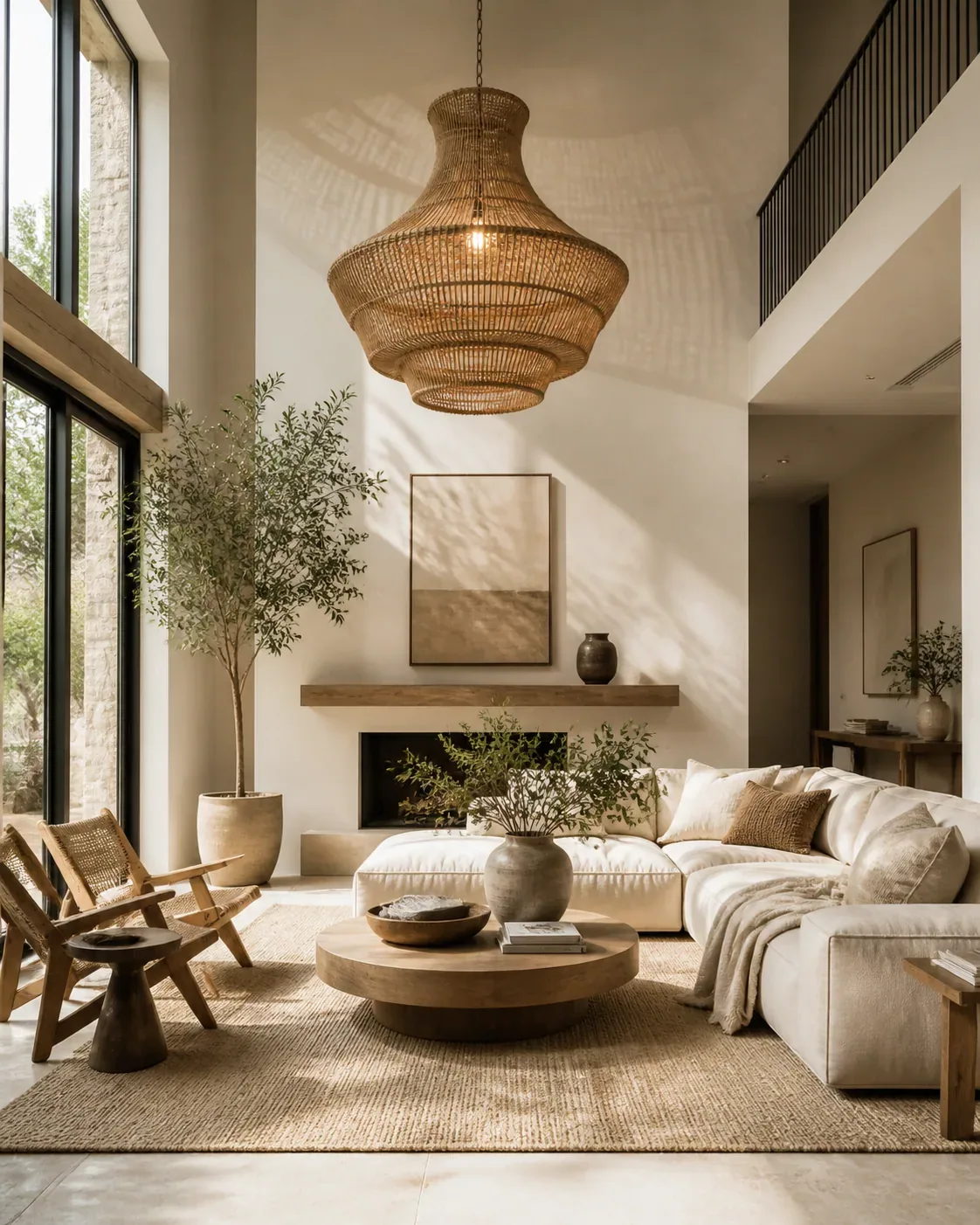
Natural rattan lighting has exploded in popularity—searches for artisanal pendant lights are growing over 40% year-over-year. This surge reflects a fundamental shift in how we approach home design. We're moving beyond purely functional fixtures toward pieces that anchor our spaces emotionally and aesthetically.
Rowabi's handmade rattan chandeliers embody this transformation. These aren't generic lighting solutions; they're sculptural elements that bring warmth, texture, and intentionality to any room. A single fixture can reshape how a space feels, introducing shadow play, natural material depth, and handcrafted authenticity that mass-produced alternatives simply can't match.
Explore Rowabi's handmade rattan chandelier collection to find your perfect lighting centerpiece.
This guide covers everything you need to know: which interior aesthetics work best with rattan chandeliers, how to choose the right size for your space, specific room-by-room placement strategies, and how to layer them with complementary design elements for maximum impact.
Rattan Chandeliers as Design Statement Pieces
Understanding Visual Weight and Presence
A handwoven rattan fixture commands attention differently than conventional lighting. The sculptural form and organic texture create visual presence without heaviness. The material catches light naturally, drawing the eye upward and creating a focal point that organizes the entire room around it.
Why Natural Materials Create Psychological Warmth
There's something inherently comforting about natural materials. Rattan, crafted from renewable plant fibers, triggers a psychological response rooted in our connection to nature. When you place a handwoven rattan chandelier in your space, you're not just adding light—you're introducing an element that grounds the room in authenticity and warmth. This connection is why people gravitate toward natural materials during periods of stress or uncertainty.
The Difference Between Ambient, Accent, and Statement Lighting Roles
Rattan chandeliers excel as ambient and statement lighting. Ambient lighting provides the soft, general illumination that makes a space feel inviting. Statement lighting, by contrast, declares itself—it's meant to be noticed and admired. Most rattan fixtures blur this line, functioning as both. They provide essential illumination while simultaneously serving as the room's visual anchor. This dual purpose makes them remarkably efficient design tools.
How Shadow Patterns Enhance Room Atmosphere and Depth
One of the most magical qualities of a woven rattan fixture is what happens when light passes through it. The intricate pattern casts dynamic shadows across walls and ceiling, creating depth and movement. These shadows shift throughout the day as natural light changes and again when artificial light is introduced. Your room becomes a canvas where the fixture's design projects onto surfaces, multiplying its visual impact.
Interior Styles That Celebrate Woven Rattan Lighting
Boho Aesthetic: Layering Rattan With Macramé, Plants, and Earth Tones
Boho design thrives on layered textures and organic elements. A rattan chandelier fits naturally into this aesthetic, pairing beautifully with macramé wall hangings, hanging plants, and warm earth-toned furnishings. The key is embracing abundance without chaos—let the rattan fixture anchor the space while surrounding it with complementary natural materials. Rust, terracotta, soft ochre, and sage green walls create the perfect backdrop for rattan's warm tones.
Japandi Design: Combining Minimalist Silhouettes With Natural Material Warmth
Japandi merges Japanese minimalism with Scandinavian warmth. A streamlined rattan pendant fits this philosophy perfectly. Choose fixtures with clean lines and restrained profiles rather than heavily ornate designs. Pair the chandelier with pale wood furniture, neutral textiles, and plenty of open space. The rattan provides the natural warmth that tempers minimalism's potential coldness, creating rooms that feel both serene and inviting.
Coastal and Beach House Interiors: Pairing Rattan With Weathered Wood and Soft Palettes
Coastal design celebrates natural materials and relaxed sophistication. Rattan chandeliers align with this aesthetic effortlessly. Combine them with weathered wood beams, soft blues, creams, and sandy neutrals. The organic fiber echoes the textures of driftwood and natural rope, reinforcing the breezy, beachy feeling. Rattan's lightness complements airy coastal spaces perfectly.
Organic Modern Spaces: Using Rattan as a Grounding Element in Contemporary Homes
Organic modern design introduces natural elements into contemporary architecture and furnishings. Rattan chandeliers provide that essential natural anchor. In spaces with clean lines, modern furniture, and minimal ornamentation, a handwoven fixture adds texture and warmth. It prevents the space from feeling sterile while maintaining the modern aesthetic. Choose fixtures with simpler geometric forms over overly rustic styles.
Strategic Placement: Where Rattan Chandeliers Shine
Dining Room Installation: Creating Intimate Gathering Spaces
Dining rooms are where rattan chandeliers truly flourish. The soft, warm glow creates an intimate atmosphere that encourages lingering conversations and shared meals. Position your fixture roughly 30-36 inches above the table surface to provide adequate illumination while maintaining sightlines. The shadow patterns become part of the dining experience itself, casting beautiful textures across tableware and guests' faces. In dining spaces, rattan transforms the act of eating into something ceremonial and intentional.
Bedroom Positioning: Using Rattan Fixtures for Soft, Relaxing Ambient Light
Bedrooms benefit enormously from the gentle ambiance rattan provides. Rather than harsh overhead lighting, a rattan chandelier with a warm-toned bulb creates a cocoon-like environment. Position it centrally in the ceiling for even light distribution, or slightly offset toward a seating area if your bedroom includes a reading nook. The dappled shadows encourage relaxation and make the space feel more intimate and personal.
Living Room Focal Points: Anchoring Seating Areas With Statement Ceiling Pieces
A rattan chandelier can define your living room's entire design direction. Position it above the primary seating area to anchor the furniture arrangement. The fixture becomes a natural gathering point—people's eyes are drawn upward, creating a sense of cohesion. This works especially well in open-concept spaces where you need visual elements to define distinct areas.
Entryway and Foyer Applications: Making First Impressions With Handcrafted Lighting
Your entryway sets the tone for your entire home. A handwoven rattan chandelier immediately communicates that thoughtfulness and authenticity matter here. In smaller foyers, a delicate pendant creates welcome without overwhelming the space. In larger entry halls, a statement-sized fixture announces intention and style. Guests notice this first impression, and it shapes their perception of your entire home.
Sizing Your Rattan Chandelier to Room Proportions
Measuring Ceiling Height and Room Dimensions for Proper Fixture Scale
Before selecting a rattan chandelier, measure your room carefully. Note ceiling height, room length and width, and distance from the fixture to your head when standing beneath it. Standard ceiling height is 8-9 feet; vaulted ceilings allow for larger, more dramatic fixtures. Your fixture should be proportional to the room—too small and it disappears; too large and it dominates oppressively.
Understanding Diameter-to-Room-Size Ratios for Visual Balance
A practical formula: add the room's length and width in feet, then convert that sum to inches. That number represents an ideal diameter range for your fixture. For a 12-by-14-foot room, a fixture 26 inches in diameter works harmoniously. This ratio ensures visual balance and prevents the fixture from appearing either insignificant or oversized.
Small Spaces: Petite Rattan Pendants That Add Character Without Overwhelming
Small rooms and compact spaces don't preclude rattan lighting—they simply require restraint. A 12-16 inch diameter pendant adds character and warmth without crowding the space. These smaller fixtures work beautifully in hallways, powder rooms, bedrooms, and kitchens where space is limited. The handcrafted quality remains visible even in petite sizes.
Large Statement Pieces: When Bigger Chandeliers Create Dramatic Focal Points
Generous ceiling heights and spacious rooms can accommodate substantial rattan chandeliers. A 32-40 inch diameter fixture becomes a true statement piece, creating dramatic shadow effects and commanding visual attention. These large fixtures work best in dining rooms, entryways, and living rooms where they can be properly appreciated. The scale allows for more intricate weaving patterns that become design elements themselves.
Layering Complementary Elements Around Your Rattan Fixture
Pairing Rattan Chandeliers With Wooden Beams and Exposed Ceiling Details
Exposed beam ceilings and rattan chandeliers are natural companions. The fixture's organic form complements structural wood elements beautifully. If your ceiling features beams, position your rattan chandelier to interact with them visually—perhaps offset to one side or positioned to create shadow play across the beam structure. This layering creates visual richness and emphasizes the handcrafted quality of both elements.
Coordinating With Wall Colors: Warm Neutrals, Soft Greens, and Terracotta Backdrops
Wall color dramatically influences how your rattan fixture appears. Warm neutrals—cream, beige, and soft taupe—let the fixture take center stage. Soft greens create a natural, organic feeling that echoes the rattan's plant origins. Terracotta and warm ochre walls echo the fixture's earth-toned warmth. Avoid cool grays and stark whites, which can make rattan appear dated rather than artisanal.
Furniture Arrangement: Positioning Seating to Showcase the Fixture's Shadow Play
Position your primary furniture arrangement to appreciate the chandelier's shadow effects. Seating that faces upward or is positioned at angles where shadow patterns are visible amplifies the fixture's impact. A sofa arranged to have clear sightlines to the ceiling allows evening light to play across surfaces. Coffee tables beneath the fixture showcase its shadow patterns throughout the day.
Textile Coordination: Rugs, Curtains, and Cushions That Echo Rattan's Natural Tones
Textiles are your opportunity to echo the rattan's natural palette. Consider warm-toned rugs with woven textures, curtains in cream or soft ochre, and cushions featuring natural fibers like linen and cotton. Layer patterns thoughtfully—a textured rug, patterned curtains, and solid cushions create visual interest without competing with your fixture. The textile colors should complement and support the rattan's warmth.
Lighting Bulb Selection and Brightness Considerations
Warm White LED Bulbs (2700K) for Cozy, Inviting Ambient Light
Bulb temperature profoundly affects your rattan fixture's impact. Warm white LEDs at 2700K produce the golden, inviting glow that pairs perfectly with rattan's natural tones. This color temperature mimics candlelight and creates psychological warmth. Avoid cool white or daylight bulbs (4000K+), which make rattan appear clinical and undersaturated.
Dimmable Options: Creating Adjustable Mood Lighting for Different Times of Day
Dimmer switches transform your rattan chandelier into a versatile lighting tool. Bright enough for evening tasks, then dialed down to create intimate ambiance for dinner or relaxation. Ensure your bulbs are dimmable—not all LEDs work with all dimmer switches. Smart bulbs offer even greater flexibility, allowing app-controlled brightness and color adjustments.
Wattage Recommendations Based on Room Size and Primary vs. Secondary Lighting Role
Rattan fixtures function best as ambient or secondary lighting. For a 12-by-14-foot room with the fixture as your only light source, consider 3-4 bulbs with 9-12 watts each (equivalent to 60-75 watt incandescent). If the fixture supplements other lighting, fewer, lower-wattage bulbs suffice. Don't over-brighten—rattan chandeliers are intentionally intimate lighting solutions. Pair them with lamps or wall sconces for task lighting needs.
Energy Efficiency Benefits of Modern LED Technology With Rattan Fixtures
LED bulbs consume 75% less energy than incandescent alternatives while lasting 15-25 years. Combined with a rattan fixture's durability, you're investing in long-term efficiency. The soft, warm light quality of modern LEDs has eliminated the harsh, artificial feeling of older LED technology. Today's warm-white LEDs genuinely outperform incandescent bulbs in both aesthetics and efficiency.
Care, Maintenance, and Longevity of Handwoven Rattan
Gentle Cleaning Techniques for Natural Rattan Without Damage
Dust your rattan fixture monthly using a soft brush or microfiber cloth. For stubborn dust, lightly dampen the cloth—never spray water directly onto rattan. Avoid harsh chemicals that can strip the natural finish or damage the fibers. Occasionally, a gentle wipe with a cloth barely moistened with mild soapy water refreshes the surface. Always air-dry completely to prevent moisture damage.
Dust Removal: Soft Brushes and Microfiber Cloths for Regular Upkeep
Regular maintenance prevents dust buildup that dulls the fixture's appearance. A soft-bristled brush designed for delicate surfaces works well for intricate weaving patterns. Microfiber cloths capture dust effectively without scratching. Establish a monthly routine—perhaps when changing bed linens or rotating seasonal decor—to keep your fixture pristine.
Avoiding Moisture Exposure and Humidity-Related Deterioration
Natural rattan is sensitive to excessive humidity. Install your chandelier away from bathrooms and steamy kitchens if possible. If your home experiences high humidity, ensure good air circulation around the fixture. Never hang rattan fixtures in covered outdoor spaces or areas exposed to rain or sea spray. Moisture causes rattan to weaken, discolor, and eventually deteriorate.
Protecting Rattan From Direct Sunlight to Prevent Fading and Brittleness
Extended sun exposure fades rattan's warm tones and causes fibers to become brittle. Position fixtures away from direct sunlight streaming through windows. If your chandelier receives afternoon sun, consider sheer window treatments that filter harsh light. UV-protective window film provides another solution for particularly sunny rooms. This protection preserves both color and structural integrity over years of use.
Eco-Conscious Design and Sustainable Sourcing
Natural Rattan and Bamboo as Renewable, Biodegradable Materials
Rattan and bamboo are among the most sustainable materials available. Both are fast-growing plants that regenerate quickly after harvesting. Unlike plastic or metal fixtures requiring energy-intensive production, natural rattan requires minimal processing. At the end of its life, rattan biodegrades naturally, returning to the environment without toxic residue. Choosing rattan reflects a commitment to planetary responsibility.
Artisan Production Methods That Support Fair Labor and Small-Scale Craftsmanship
Handmade rattan chandeliers support artisans and small-scale producers rather than exploitative manufacturing systems. Each fixture represents human skill, intentionality, and fair compensation. When you purchase a Rowabi chandelier, you're supporting craftspeople who take pride in their work and maintaining traditional production methods that prioritize quality over volume.
Carbon Footprint Comparison: Handmade vs. Mass-Manufactured Lighting
Handmade rattan fixtures typically have significantly lower carbon footprints than mass-manufactured alternatives. Production involves minimal machinery, local sourcing, and short supply chains. Compare this to plastic fixtures shipped globally from industrial facilities consuming enormous energy. Your rattan chandelier is genuinely an environmentally conscious choice alongside being aesthetically superior.
Supporting Ethical Brands Through Conscious Purchasing Decisions
Choosing brands committed to sustainability and fair labor practices amplifies your positive impact. Research where your fixture originates, how artisans are compensated, and whether the company prioritizes environmental stewardship. Ethical purchasing decisions influence market forces, encouraging more brands to adopt responsible practices. Your lighting choice becomes a vote for the world you want to live in.
Bringing Warmth and Character Home: Your Rattan Chandelier Journey
A Rowabi handmade rattan chandelier transcends typical lighting—it's a design investment that infuses your space with authenticity, warmth, and artisanal soul. Whether you're drawn to boho's free-spirited energy, Japandi's serene minimalism, or coastal design's breezy charm, these handwoven fixtures adapt beautifully to your aesthetic vision. The key lies in thoughtful placement, intentional sizing, and strategic layering with complementary design elements that amplify their natural beauty.
Your space deserves lighting that tells a story. Start by assessing your room's dimensions and identifying your design aesthetic. Imagine where a rattan chandelier could anchor your vision. Consider the interplay between natural light and artificial illumination, the shadow patterns the fixture will cast, and how surrounding elements will echo its warmth. Picture yourself beneath the fixture during quiet mornings and intimate evenings, noticing how its presence transforms the entire room's feeling.
The result? A room that feels intentional, lived-in, and undeniably yours. Rattan lighting isn't a trend—it's a timeless acknowledgment that beauty, sustainability, and function belong together. Your home deserves this kind of thoughtfulness.
Begin your rattan chandelier journey with Rowabi's handmade collection today.