Triple Bristle Toothbrush for Dexterity
Discover how the Triple Bristle Electric Toothbrush simplifies oral hygiene for people with limited dexterity, braces, and accessibility needs. Learn why 30-second quadrants matter for special populations.
Nearly 1 in 4 adults struggle with traditional brushing techniques due to arthritis, limited hand mobility, or neurological conditions—yet most electric toothbrush marketing completely ignores their needs. The frustration of fighting with a conventional toothbrush for several minutes, only to wonder if you've actually cleaned your teeth properly, is exhausting. That's where innovative design steps in to meet people where they are.
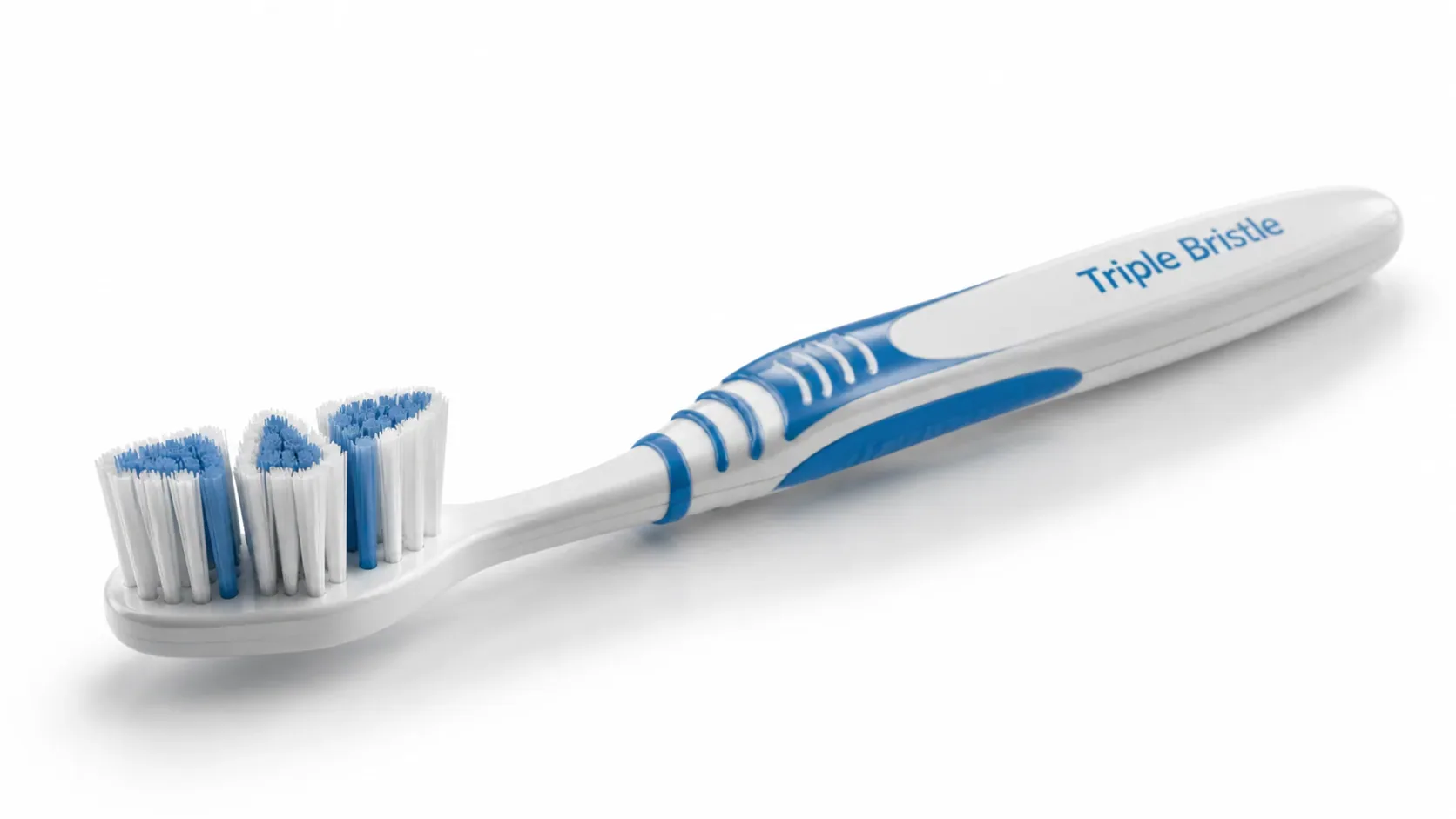
The Triple Bristle Electric Toothbrush was engineered with a radically different approach: a three-sided brush head that cleans all tooth surfaces simultaneously, rather than requiring the complex hand movements traditional brushes demand. This isn't just a gimmick—it's a genuine accessibility solution that addresses real barriers to oral health. The 30-second-per-quadrant cleaning cycle, combined with pressure-friendly bristles and multiple speed settings, makes thorough dental care achievable for people who've historically found it challenging.
Discover how the Triple Bristle Electric Toothbrush can transform your daily oral care routine.
Why Dexterity Challenges Make Traditional Brushing Difficult
Conditions like arthritis, Parkinson's disease, and stroke recovery fundamentally alter how hands respond to precise movements. The repetitive back-and-forth motions of manual brushing strain already-compromised joints and muscles, creating a cycle where oral care becomes painful rather than protective. What takes a person without mobility limitations 2–3 minutes might consume 10–15 exhausting minutes for someone managing tremors, weakness, or reduced fine motor control.
Neurological conditions add another layer of complexity. Dementia can disrupt the sequencing of a brushing routine—knowing when to start, how long to continue, and where to focus. Autism spectrum disorder sometimes brings sensory sensitivities that make the vibration and texture of standard brushes overwhelming. Stroke recovery patients must relearn coordinated movements while simultaneously managing fatigue and frustration.
The emotional toll runs deep. Struggling with basic self-care creates a sense of lost independence that goes far beyond teeth. When accessible tools exist, they restore not just function but dignity. Research shows that people with mobility limitations experience higher rates of gum disease and tooth loss, not because they don't care, but because conventional designs make thorough cleaning nearly impossible. Standard electric toothbrush heads still require multiple angles, directional changes, and sustained grip strength—demands that exclude precisely the people who need simpler solutions.
The Three-Sided Brush Head: Engineering for Accessibility
The 360-degree bristle arrangement eliminates the need for the user to position the brush at different angles. Instead of moving the toothbrush to clean the outer surface, then the inner surface, then the chewing surface of each tooth, the three-sided design handles all three simultaneously. This reduction in required movements translates directly into reduced physical demand and shorter brushing duration—critical factors for people with fatigue or joint pain.
From a biomechanical standpoint, sequential brushing (traditional method) requires constant micro-adjustments. The user must rotate the brush, apply varying pressure angles, and consciously track which surfaces they've covered. Simultaneous all-surface cleaning removes these cognitive and motor demands, allowing even people with significant coordination challenges to achieve thorough results.
The bristles themselves are engineered with pressure-friendly technology. If someone's hand shakes or applies inconsistent force, the bristle arrangement distributes that pressure evenly, preventing the gum damage that can occur with conventional electric toothbrush heads where pressure concentrates in one direction. This matters profoundly for users with tremors or those who struggle to maintain consistent, gentle pressure.
The larger brush head size initially seems counterintuitive for accessibility, but it actually reduces the total number of movements needed per quadrant. Rather than multiple small strokes with a standard brush head, the three-sided design accomplishes comprehensive cleaning in fewer positions. Weight distribution is optimized to reduce wrist strain, and the handle design accommodates adaptive grip modifications—users with limited grip strength can attach ergonomic sleeves or use specialized adaptive handles designed for people with arthritis or cerebral palsy.
Speed Settings and Customization for Individual Needs
The ability to adjust vibration frequencies addresses a spectrum of comfort levels and dental conditions. Users with sensitive gums benefit from lower speed settings that deliver effective cleaning without the intense sensation of maximum vibration. Those with gum recession—common in older adults and people taking certain medications—can customize their routine to protect vulnerable tissue.
For first-time users, starting at lower speeds creates a smoother transition. Someone who's never used an electric toothbrush before, or who has sensory sensitivities, can gradually acclimate rather than being overwhelmed immediately. This gradual adjustment protocol reduces anxiety and increases the likelihood that someone will stick with the device long-term.
Multiple speed options also accommodate different dental conditions throughout the lifespan. A teenager with braces might use a higher setting for better plaque removal around brackets, while a grandparent with exposed root surfaces opts for a gentler speed. The same device adapts to changing needs without requiring a new purchase.
The energy efficiency of variable speeds extends battery longevity. Users who run their device on lower speeds consume less power, meaning longer intervals between charging—particularly valuable for people with limited access to charging outlets or those who spend time in multiple locations. Reduced charging frequency also simplifies the daily routine.
Braces, Orthodontics, and Complex Dental Work
Cleaning around brackets, wires, and elastics with traditional methods is notoriously tedious. Food particles lodge in crevices that a standard toothbrush struggles to reach, and the complex geometry of orthodontic hardware demands precise, careful technique. Manual brushing around braces typically requires 2–3 minutes per quadrant just to feel confident in cleanliness.
The three-sided design reaches interproximal spaces—the tight areas between teeth—and bracket crevices far more effectively than sequential brushing. The bristles contact these challenging spaces automatically without requiring the user to angle the brush repeatedly or employ specialized techniques. Soft bristle specifications ensure that the hardware itself remains undamaged; there's no risk of wires bending or brackets loosening due to aggressive brushing.
Teens and adults with braces report that orthodontic treatment becomes significantly less burdensome when cleaning time drops from 10+ minutes to 2 minutes per quadrant. The psychological relief of simplification cannot be overstated—orthodontic patients often struggle with motivation to maintain meticulous hygiene precisely because the routine feels endless. The Triple Bristle Electric Toothbrush removes that barrier entirely.
Even after braces come off, fixed retainers and other permanent dental appliances require careful cleaning. The three-sided design continues to excel in these scenarios, providing thorough cleaning around posts, wires, and bonded materials that would challenge a traditional brush.
Real-World Use Cases: Who Benefits Most
An elderly individual managing arthritis, diabetes, and medication side effects finds that conventional brushing leaves her frustrated and wondering if she's cleaned properly. With the Triple Bristle Electric Toothbrush, she completes her routine in under two minutes, reducing physical strain while gaining confidence that she's achieved thorough cleaning.
A caregiver managing personal hygiene routines for multiple family members—an aging parent with tremors, a child with developmental delays, a spouse recovering from injury—can simplify their support role significantly. Rather than coaching different techniques for different people, one adaptive tool works across the household.
Someone recovering from surgery or hospitalization often has temporary mobility limitations. The simplified brushing routine helps maintain oral health during vulnerable recovery windows, reducing the risk of infection and complications.
Parents of children with sensory processing differences recognize that a standardized, predictable brushing pattern can be less overwhelming than the variable stimulation of traditional brushes. The consistent vibration and predetermined cleaning path reduce sensory decision-making.
People with cerebral palsy, multiple sclerosis, or other progressive neurological conditions need tools that adapt as their condition changes. The multiple speed settings and simplified design accommodate shifts in mobility without requiring complete equipment replacement.
Users with severe hand tremors—from Parkinson's disease, essential tremor, or other conditions—finally have a tool designed around their reality rather than against it. The three-sided approach actually benefits from tremorous motion, using that involuntary movement to maintain contact with all tooth surfaces.
People with visual impairments rely on simplified, standardized brushing patterns because they can't visually confirm coverage. The three-sided design provides that standardization, reducing the cognitive load of attempting to remember which surfaces they've cleaned.
Explore the Triple Bristle Electric Toothbrush and find your accessibility solution today.
Battery Life, Charging, and Maintenance for Dependent Users
The rechargeable battery specifications typically deliver several days of use on a single charge, depending on brushing frequency and speed settings. For most users, charging two to three times weekly proves sufficient, reducing the cognitive load of remembering to charge frequently.
The charging dock design considers accessibility; users with limited reach benefit from docks positioned at wheelchair-height or placed in easily accessible locations. Unlike toothbrushes requiring plug-in chargers, a well-designed dock reduces the fine motor demands of connecting a charging cable.
Replacement brush head availability and ease of attachment directly impact long-term usability. The three-sided design requires proprietary heads, but the simplified attachment mechanism—often a quarter-turn or snap-fit system—accommodates users with limited dexterity. Replacement heads are typically available through online retailers, though local retail availability remains limited compared to major brands.
Maintenance requirements are minimal, a significant advantage for users managing multiple health conditions or cognitive challenges. No complex cleaning protocols or specialized tools are needed; a quick rinse after each use preserves head longevity. Heads typically require replacement every three to four months, similar to standard electric toothbrush heads.
Waterproof ratings ensure safety for users with coordination challenges who might drop the brush into sinks or bathtubs. A fully waterproof design means accidental water exposure won't damage the device or create electrical hazards.
Travel-friendly charging options—USB charging cables, compact charging cases—matter for people who split time between multiple residences or spend extended periods away from home. The flexibility of charging methods reduces barriers to consistent oral care routines.
Cost-Benefit Analysis: Investment Versus Long-Term Oral Health
Mid-range pricing between $40–$80 exceeds manual brushes by a significant margin, but comparison to standard electric toothbrushes and premium alternatives reveals competitive positioning. A basic electric toothbrush from major brands often costs $30–$60, while premium models reach $150–$300. The Triple Bristle Electric Toothbrush sits in the accessible sweet spot for people seeking innovation without premium-tier pricing.
Bundle options frequently include replacement heads and charging accessories, effectively reducing the per-unit cost of ongoing maintenance. Initial investment bundles often represent $20–$40 in additional value beyond the toothbrush itself.
Long-term dental cost savings emerge from improved plaque removal and gum health. People who successfully maintain thorough brushing routines experience fewer cavities, less gum disease, and reduced need for professional deep cleanings and restorations. For someone with accessibility challenges who previously struggled with inconsistent oral hygiene, the simplification can prevent thousands of dollars in dental work over a decade.
Insurance coverage for medical-grade oral care devices remains rare but emerging. Some flexible spending accounts or health savings accounts permit purchases of accessibility-focused oral care tools. Checking with individual insurance providers or discussing options with your dentist may reveal coverage possibilities.
Durability and warranty considerations impact long-term value. A well-constructed device lasting 3–5 years before replacement represents significantly better value than a cheaper toothbrush requiring replacement annually. Most manufacturers offer 1–2 year warranties covering defects.
Hidden costs remain minimal compared to upfront savings from simpler design. Replacement heads represent the primary ongoing expense, typically $10–$20 per head. Battery replacement is usually unnecessary during the device's lifespan, and repairs are uncommon with solid engineering. The simplified design itself reduces repair complexity compared to premium electric toothbrushes with advanced features prone to malfunction.
Addressing the Learning Curve and Adjustment Period
Transitioning from a manual or traditional electric toothbrush introduces adjustment challenges that vary by individual. The larger brush head feels unfamiliar in the mouth, and the three-sided motion differs from the familiar side-to-side or up-and-down strokes most people learned in childhood. Sensory systems accustomed to traditional vibration patterns must adapt to a new sensation.
Most users reach comfort and competence within one to two weeks of daily use. The timeline extends for people with sensory sensitivities or those adjusting to significant physical changes, but patience typically yields positive results.
Initial techniques matter. Positioning the brush head so that all three sides contact teeth simultaneously, applying gentle pressure rather than forcing bristles into position, and moving slowly along the gum line all contribute to success. The first brushing session often feels awkward; acknowledging this normalcy reduces discouragement.
Caregivers supporting users through adaptation can provide encouragement, help troubleshoot positioning issues, and remind users that adjustment is temporary. A caregiver who understands the device's mechanics can model proper technique and offer reassurance when the user feels frustrated.
Common concerns include excessive vibration (addressed by starting on lower speed settings), difficulty positioning the brush (resolved through practice and minor technique adjustments), and bristle sensitivity (sometimes addressed by switching to even lower speeds or allowing gums additional acclimation time).
Success strategies from long-term users emphasize consistency over perfection. Using the device daily, even with imperfect technique, allows adaptation to proceed faster than sporadic use. Pairing the routine with an existing daily habit—brushing after morning coffee or before bed—anchors the new behavior into established patterns.
Limitations and Honest Considerations
The larger brush head size doesn't fit comfortably in all mouths, particularly for children under 12 or adults with smaller oral structures. This design trade-off—larger head for simultaneous multi-surface cleaning—inherently excludes some users. Children with developing teeth often benefit more from standard pediatric electric toothbrushes.
Limited brand availability compared to major toothbrush manufacturers creates accessibility barriers. Consumers cannot walk into most drugstores and find replacement heads; online ordering becomes necessary. For people without internet access or comfort with online shopping, this represents a genuine obstacle.
Finding replacement heads in local retail stores proves difficult, potentially disrupting routines for users who prefer purchasing supplies in person or who need immediate replacement. Advance ordering becomes essential.
Higher upfront cost creates barriers for budget-conscious consumers or those without disposable income. Accessibility shouldn't require privilege, yet the pricing reality means some of the people who'd benefit most may be unable to afford the device.
Not ideal for users with extremely sensitive teeth or recent gum surgery, where even lower speed settings might create discomfort. Consulting a dentist before purchase is essential for anyone with severe dental sensitivity or recent oral procedures.
The adjustment period frustrates some users rather than liberating them. Personality, learning style, and sensory temperament all influence whether someone embraces the learning curve or abandons the device after a few uncomfortable days. Realistic expectations matter; not everyone will find this toothbrush the right fit.
Comparing Triple Bristle to Other Accessibility-Focused Options
The three-sided design stands apart from oscillating electric toothbrushes (which vibrate side-to-side), sonic toothbrushes (which use high-frequency vibrations), and other electric toothbrush technologies. Oscillating brushes still require multiple positioning changes; sonic brushes excel for certain users but offer no unique advantage in handling multi-surface coverage with single positioning.
Adaptive toothbrush handles and grip modifications work with virtually any toothbrush brand, adding accessibility through ergonomic support rather than revolutionary design. A person with severe arthritis might attach an adaptive handle to a standard electric toothbrush, achieving better grip but not solving the multiple-positioning problem. These modifications complement rather than replace thoughtful brush design.
Powered versus manual options serve different needs. Some people prefer the simplicity and control of a manual brush with an adaptive handle; others absolutely require powered assistance due to severe mobility limitations. Neither universally superior option exists; individual needs determine the best choice.
Price-to-performance comparison shows the Triple Bristle Electric Toothbrush delivering strong value in its category. Competitors targeting similar audiences—people with disabilities and mobility limitations—offer limited options, leaving much of the market underserved by intentionally accessible designs.
Feature differentiation emphasizes simplification and accessibility. Rather than competing on advanced features like Bluetooth connectivity or app-based tracking, the Triple Bristle Electric Toothbrush competes on genuine usability for people with real barriers. This focused positioning reflects genuine market understanding.
User satisfaction ratings among people with disabilities and mobility limitations are notably high, particularly among those with arthritis, Parkinson's disease, and orthodontic appliances. The device earns consistent praise for time savings and reduced physical demand, even as some users acknowledge the adjustment period.
Making the Switch: Practical Tips for First-Time Users
Pre-purchase assessment begins with honest reflection on your specific needs. Are you struggling primarily with hand strength, hand control, routine consistency, or sensory complexity? Does your primary challenge match what the Triple Bristle Electric Toothbrush solves (multi-surface cleaning with minimal hand positioning)? Consulting your dentist about whether this device matches your dental profile provides valuable input before investing.
Unboxing and initial setup is straightforward. Charge the device fully before first use—typically 2–4 hours. Attach a brush head if not pre-installed, and review the manual's guidance on speed settings and technique recommendations. Familiarizing yourself with the components reduces first-use anxiety.
First brushing session best practices include starting on the lowest speed setting, spending extra time on positioning to ensure all three bristle surfaces contact your teeth properly, and practicing gentleness rather than force. Expect the experience to feel different; that's normal. Some users require a few days for the novelty to fade.
Gradual introduction strategy works particularly well for people sensitive to vibration or new sensations. Use the device every other day for the first week if daily use feels overwhelming, then transition to daily use. This pacing allows sensory systems and oral tissues to adapt gradually.
Establishing a consistent routine and tracking improvements in oral health reinforces positive behavior change. After one to two weeks, notice changes in plaque buildup, gum appearance, or breath freshness. These tangible improvements motivate continued use.
When to consult your dentist about technique or concerns matters for long-term success. If you experience persistent gum soreness, aren't confident about coverage, or have concerns about the device's compatibility with your specific dental situation, professional guidance clarifies concerns and optimizes your approach.
The Broader Impact: Accessibility in Oral Care Innovation
Mainstream dental brands often overlook accessibility needs because the market segment—people with disabilities and mobility limitations—remains economically undervalued. Products for disabled populations are frequently marketed as "sympathy" purchases rather than genuine innovation, resulting in designs that feel like afterthoughts rather than intentional solutions.
Specialized designs like the triple-sided brush head challenge assumptions about normal brushing techniques. The assumption that brushing requires rotating movements in multiple directions reflects the experience of people without mobility challenges—not universal human need. When designers prioritize accessibility, they discover that simplification benefits everyone, not just people with disabilities.
Advocacy for inclusive product development in the oral care industry pushes back against the status quo. When consumers with disabilities choose and recommend products that genuinely serve their needs, they send market signals. Manufacturers recognize opportunity in underserved populations, gradually shifting priorities toward accessibility.
Connection between accessible tools and improved health outcomes for marginalized populations is documented across healthcare domains. When people with disabilities finally have tools designed for their reality, health outcomes improve measurably. Better oral health reduces infection risk, improves nutrition, and enhances quality of life—cascading benefits extending far beyond teeth.
Role of user feedback in driving innovation for people with disabilities proves essential. Disabled people themselves—not able-bodied designers assuming they understand accessibility—guide the most effective solutions. Companies that genuinely listen to people with disabilities create innovations that actually work.
Future possibilities for even more accessible oral care solutions expand as companies recognize the market opportunity and moral imperative. UV sanitizing stands, voice-activated speed controls, sensory-customized bristle variations, and other innovations could further reduce barriers. The question is whether the industry will rise to meet these possibilities or continue ignoring the needs of millions.
Transform Your Oral Care with Accessible Innovation
The Triple Bristle Electric Toothbrush represents a genuine shift in how people think about oral care accessibility. By eliminating complex hand movements and delivering thorough cleaning in 30 seconds per quadrant, this toothbrush opens doors for people who've struggled with traditional brushing methods. Whether you're managing arthritis, supporting someone through orthodontic treatment, or navigating the aftermath of injury or illness, the three-sided design offers real, measurable simplification.
Yes, you'll encounter a learning curve, and yes, the upfront cost exceeds a manual brush. But for individuals with dexterity challenges, caregivers managing multiple household members, and anyone who's felt frustrated by inaccessible oral care products, the investment translates into independence, confidence, and better long-term dental health.
The question isn't whether this toothbrush works—it's whether it's the right accessibility solution for your specific circumstances. Start by honestly assessing your needs, then decide if this innovative approach aligns with your goals. Ready to simplify your oral care routine and experience the difference that intentional design can make?