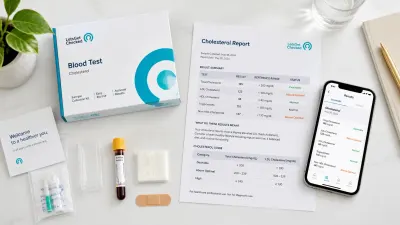
Walk-In Lab CBC Test: Affordable Blood Screening
Discover how Walk-In Lab's Complete Blood Count test provides affordable, convenient health screening. Learn what's measured, how to order, and what your results mean.

One in three Americans have never had a routine blood test, yet a simple Complete Blood Count could reveal hidden health issues before they become serious. Early detection through basic screening can catch anemia, infections, inflammation, and blood disorders when they're most treatable. The barrier hasn't been the need for testing—it's been the friction involved in getting it done.
Walk-In Lab has fundamentally changed this equation. Their direct-to-consumer model removes insurance requirements, eliminates the need for medical referrals, and strips away the cost barriers that keep many people from accessing essential health information. You order online, visit a nearby lab location, and receive results through a secure portal—no authorization delays, no surprise bills, no scheduling around your doctor's availability.
Start your Complete Blood Count screening with Walk-In Lab today.
What Exactly Does a Complete Blood Count Measure?
A CBC test examines multiple components of your blood, each telling a different story about your health status.
Red Blood Cell Count (RBC)
Your red blood cells carry oxygen throughout your body. A low RBC count can indicate anemia, fatigue, or nutritional deficiencies. Elevated counts may suggest dehydration or, less commonly, bone marrow disorders.
White Blood Cell Count (WBC)
White blood cells form your immune system's frontline defense. An elevated WBC often signals infection, inflammation, or immune response. Unusually low counts might indicate bone marrow issues or immune system suppression.
Hemoglobin Levels
Hemoglobin is the protein within red blood cells that actually transports oxygen. Low hemoglobin is a primary indicator of anemia, resulting in symptoms like shortness of breath and fatigue. This measurement is often one of the most clinically significant markers in a CBC.
Hematocrit Percentage
Hematocrit shows what percentage of your blood volume consists of red blood cells. It moves in tandem with hemoglobin and provides additional context for understanding your oxygen-carrying capacity and potential anemia.
Platelet Count
Platelets are your blood's clotting agents. Too few platelets increase bleeding risk, while excessive counts might indicate clotting problems or underlying inflammatory conditions.
Mean Corpuscular Volume (MCV)
MCV measures the average size of your red blood cells. Abnormal MCV can classify anemia as microcytic (small cells), macrocytic (large cells), or normocytic (normal), which helps identify underlying causes.
Red Cell Distribution Width (RDW)
RDW evaluates the variation in red blood cell sizes. High RDW suggests inconsistent cell production, often accompanying nutritional deficiencies or hemoglobin disorders.
The Walk-In Lab Advantage: Why Consumers Are Choosing Direct-to-Consumer Testing
Traditional healthcare requires navigating insurance networks, scheduling appointments weeks in advance, and often paying substantial out-of-pocket costs. Walk-In Lab operates on an entirely different model.
No insurance required means you bypass coverage limitations and pre-authorization delays that typically extend the testing timeline. You pay a straightforward fee upfront—typically under $50 for a basic CBC—and know exactly what you'll spend before ordering.
No doctor's visit necessary removes a significant barrier for many people. You order directly online, select your test, and proceed to the nearest lab location at your convenience. This approach works particularly well for individuals without established primary care relationships or those between jobs who lack employer-sponsored insurance.
Affordable pricing makes routine screening accessible. Walk-In Lab's transparent pricing structure eliminates surprise medical bills. You see the cost before checkout and can compare package options. This affordability encourages regular monitoring rather than waiting for symptoms to develop.
Fast turnaround on results typically occurs within days of sample collection. Results arrive through a secure online portal with notification when they're ready. This speed allows you to take action quickly if concerning results appear.
Widespread lab location availability with thousands of partnered draw sites nationwide means you're likely within a short drive of a collection location. Walk-In Lab's location finder identifies the nearest facility to your home or work.
Privacy and convenience matter for many people. You control when testing happens—no scheduling around doctor availability, no waiting room time, no administrative friction. This flexibility often encourages more consistent health monitoring.
Flexibility to add additional panels allows you to customize your screening based on specific concerns. If your basic CBC raises questions, you can often add specialized tests without repeating the blood draw.
Order your CBC test package from Walk-In Lab with no insurance verification required.
How to Order Your Walk-In Lab CBC: Step-by-Step Process
The ordering process is intentionally streamlined to get you from decision to lab visit as quickly as possible.
Create Your Account
Registration takes minutes and requires only basic personal information. You'll establish login credentials to access your results portal later.
Select Your CBC Test Package
Walk-In Lab offers options ranging from a basic CBC to bundled packages with additional markers. Review what each includes and choose based on whether you want a comprehensive screening or a focused assessment.
Complete Payment
Secure checkout processes your order without requiring insurance verification. You see the total cost before confirming and can use various payment methods.
Receive Your Lab Requisition
After payment, you'll receive a digital or printable lab requisition form. This document authorizes sample collection at the partnered lab location.
Visit a Partnered Lab Location
Use Walk-In Lab's location finder to identify the nearest draw site. Most locations offer convenient hours and walk-in availability without appointment requirements.
Provide Your Blood Sample
A trained phlebotomist collects your sample through either finger prick or standard venipuncture collection. The process takes minutes and involves minimal discomfort.
Access Results Through Secure Portal
You'll receive notification when results are available. Log into your account to view comprehensive results with reference ranges and interpretation aids.
Optional Professional Consultation
Some packages include access to physician interpretation guidance. If your results raise questions, this resource helps you understand what abnormal values might mean.
Understanding Your CBC Results: What the Numbers Really Mean
Receiving your results is one thing; interpreting them is another entirely.
Normal Ranges for Each Marker
Reference values vary slightly by lab and individual factors like age, sex, and altitude. Walk-In Lab's portal displays your results alongside the specific reference ranges used for your analysis.
Red Flags That Warrant Medical Attention
Significantly abnormal counts—either very high or very low—indicate something requires professional evaluation. Extreme results warrant prompt follow-up with a healthcare provider rather than self-diagnosis.
Anemia Indicators
Low hemoglobin and hematocrit patterns suggest anemia. The MCV value helps determine type: iron deficiency anemia typically shows small cells, while B12 deficiency produces large cells. Each type requires different treatment approaches.
Infection Signals
Elevated white blood cell counts typically indicate active infection or immune system activation. The degree of elevation sometimes provides clues about infection severity, though patterns require clinical context to interpret fully.
Inflammation Markers
While CBC isn't a specialized inflammatory marker test, certain patterns—particularly elevated white blood cells paired with abnormal RDW—can suggest systemic inflammation worthy of investigation.
When to Follow Up With a Healthcare Provider
CBC results have limitations. They provide snapshots, not comprehensive diagnoses. Results outside normal ranges warrant professional medical evaluation. Self-interpretation is useful for understanding what categories mean, but clinical significance requires medical expertise.
How Results Change Over Time
Tracking trends with repeat testing reveals patterns invisible in single measurements. Someone managing a chronic condition benefits greatly from baseline CBC results that enable monitoring of disease progression or treatment effectiveness.
Lifestyle Factors Affecting Your Numbers
Diet influences hemoglobin and iron levels. Stress, exercise, and sleep impact white blood cell counts and immune markers. Certain medications alter CBC values. Understanding these relationships helps contextualize results and recognize when changes reflect lifestyle shifts versus health concerns.
Your Next Step Toward Preventive Health Screening
The Complete Blood Count remains one of healthcare's most valuable tools—and Walk-In Lab has stripped away the barriers that kept many people from accessing it. Routine blood screening doesn't require a doctor's appointment, insurance approval, or a hefty bill. Whether you're managing a chronic condition, filling gaps between annual physicals, or simply curious about your baseline health markers, a Walk-In Lab CBC offers genuine convenience at a price that makes sense.
Start by visiting Walk-In Lab's website, selecting your CBC package, and finding the nearest lab location. Your health snapshot is just a lab visit away—no insurance required, no waiting weeks for an appointment, and no confusion about costs.