Why Safety Features Matter When Choosing Pain Relief Devices
Compare pain relief devices for muscle soreness, back pain, and stiffness. Learn about device types, safety features, benefits, and what to check before buying.
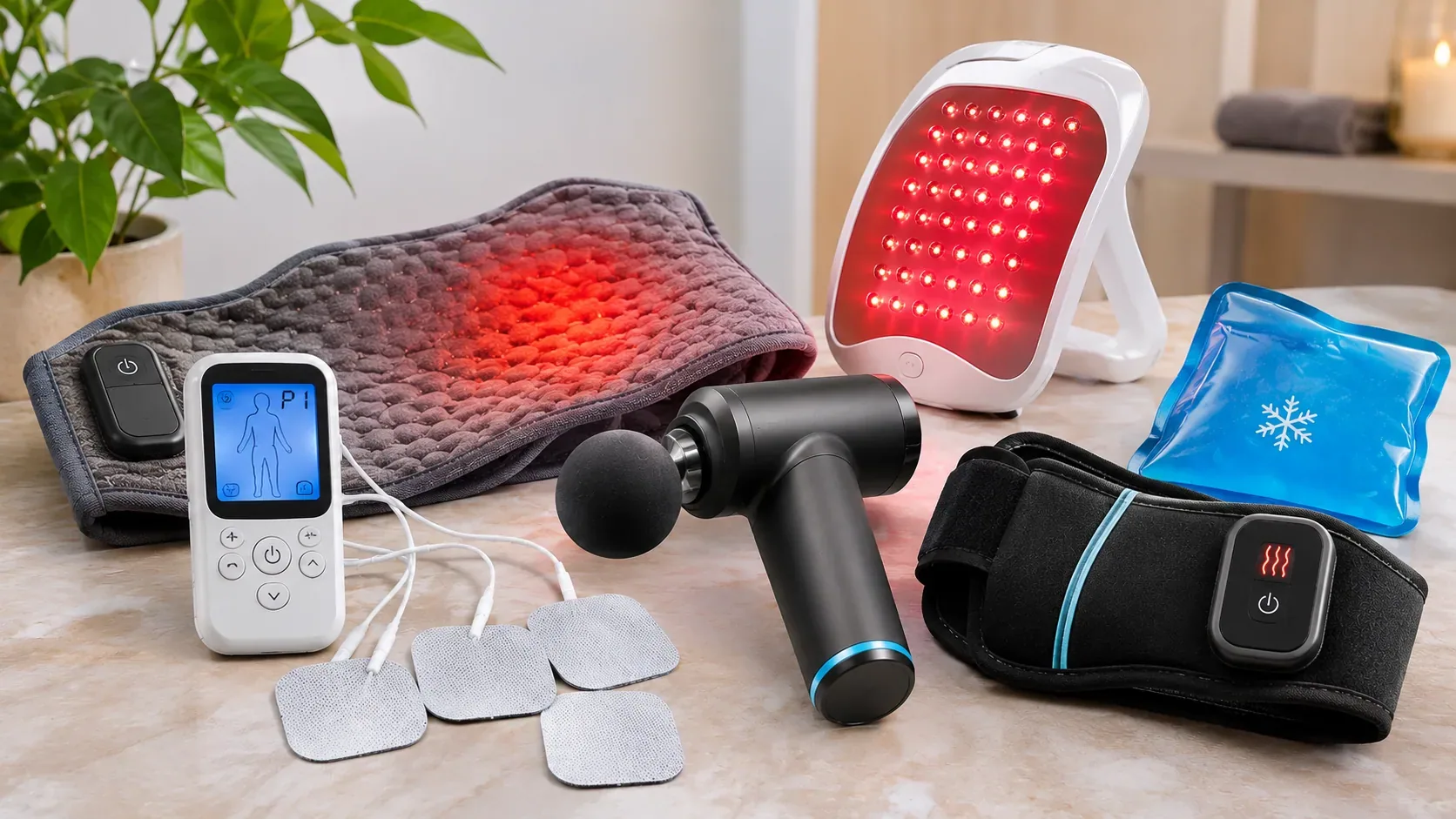
Pain Relief Devices may help you manage certain types of discomfort without relying entirely on medication. From electrical stimulation units to heating pads and massage tools, these products use different methods to address pain, muscle tension, and stiffness.
However, choosing a device requires some research. The type of pain you experience, the device's intended use, safety features, and available evidence can all influence your decision.
How Do Pain Relief Devices Work?
Pain Relief Devices use different technologies to manage discomfort. Some apply electrical impulses to nerves, while others use temperature, pressure, or vibration to provide temporary relief.
Their effectiveness depends on the technology, the condition being treated, and how the device is used.
Common categories include:
- Electrical stimulation units: Deliver mild electrical impulses through electrodes placed on the skin.
- Heating devices: Apply warmth to help ease muscle stiffness and temporary discomfort.
- Cold therapy products: Use cooling to help manage pain and swelling after certain injuries.
- Massage devices: Apply mechanical pressure or vibration to muscles and surrounding soft tissues.
- Light-based devices: Use specific wavelengths of light, although effectiveness varies by condition and device.
Before buying, check the manufacturer's intended-use instructions and any relevant medical-device clearance information.
6 Types of Pain Relief Devices Worth Comparing
1. TENS Units for Pain Management
Secondary keyword: TENS units for pain management
Transcutaneous electrical nerve stimulation (TENS) devices deliver electrical impulses through adhesive electrodes attached to the skin.
These impulses may alter how pain signals are processed, potentially providing temporary relief for certain users.
Potential advantages:
- Adjustable stimulation intensity
- Portable designs for home use
- Drug-free treatment approach
- Reusable control units with replaceable electrodes
Possible limitations:
- Effectiveness varies by individual and condition.
- Electrodes require proper placement and replacement.
- Some users experience skin irritation.
- Electrical stimulation is unsuitable for certain medical conditions.
TENS devices may be worth discussing with a healthcare professional if you experience recurring discomfort and want to explore non-drug pain management.
2. Electric Heating Pads for Pain Relief
Secondary keyword: electric heating pads for pain relief
Heating pads apply controlled warmth to targeted areas. Heat can help relax tight muscles and temporarily reduce stiffness.
These devices are commonly used for muscle soreness, menstrual cramps, and certain types of back discomfort.
When comparing heating pads, pay attention to temperature controls, automatic shutoff features, pad dimensions, and cleaning instructions.
Avoid placing heating pads directly against damaged skin or using them while sleeping unless the manufacturer explicitly permits it. People with reduced temperature sensation should seek medical guidance before use.
3. Cold Therapy Devices for Injuries
Secondary keyword: cold therapy devices for injuries
Cold therapy products use lower temperatures to help manage discomfort and swelling associated with certain acute injuries.
Options range from reusable gel packs to circulating cold-water systems designed for specific body areas.
Cold therapy may be useful after minor sprains, strains, or physical activity, depending on the circumstances.
However, prolonged exposure to intense cold can damage skin and underlying tissues. Follow the product's instructions, use a protective barrier when directed, and avoid applying extreme cold directly to bare skin.
4. Handheld Massage Guns
Massage guns deliver repeated mechanical pulses to muscle tissue. They are often marketed for muscle recovery, temporary soreness, and relaxation.
Common buying considerations include:
- Adjustable speed settings
- Comfortable handle design
- Noise level
- Battery runtime
- Attachment types
- Product weight
Evidence for massage guns suggests possible short-term improvements in soreness or flexibility in some settings, although research quality and outcomes vary.
Avoid using massage guns directly over fractures, open wounds, inflamed areas, or suspected blood clots.
5. Red Light Therapy Devices for Pain
Secondary keyword: red light therapy devices for pain
Red light and near-infrared devices use light at selected wavelengths. Some products are marketed for joint discomfort, muscle recovery, or other therapeutic purposes.
Research into photobiomodulation has produced promising findings for certain conditions, but results depend on treatment parameters and study quality.
When evaluating these products, check:
- The specific intended medical use
- Published clinical evidence for that use
- Wavelength and treatment instructions
- Eye protection requirements
- Regulatory status of the specific model
A device advertised as FDA-registered should not automatically be treated as FDA-cleared or FDA-approved for pain treatment.
6. Wearable Pain Relief Devices
Secondary keyword: wearable pain relief devices
Wearable products are designed to deliver treatment while attached to the body. Some use electrical stimulation, while others provide warmth or vibration.
Their compact construction may be convenient for users who prefer hands-free operation.
However, a wearable design does not establish that a product is clinically effective.
Before purchasing, examine the intended treatment area, attachment method, operating duration, charging requirements, and replacement-part costs.
Pain Relief Device Comparison: Which Type May Suit You?
Different technologies serve different purposes. This comparison highlights practical differences without assuming that one device will work for everyone.
| Device type | Common intended use | Main advantage | Main limitation |
|---|---|---|---|
| TENS unit | Temporary pain management | Adjustable stimulation | Results vary |
| Heating pad | Muscle stiffness and cramps | Simple home application | Burn risk |
| Cold therapy device | Certain acute injuries | Targeted cooling | Cold injury risk |
| Massage gun | Muscle soreness and tension | Adjustable mechanical massage | Not suitable for every body area |
| Light therapy device | Condition-specific treatment | Noninvasive application | Evidence varies by indication |
| Wearable device | Targeted symptom management | Hands-free design | Fit and effectiveness vary |
No single device is appropriate for every type of pain. A product intended for muscle soreness may not be suitable for nerve-related symptoms or an acute injury.
What Features Should You Check Before Buying?
Adjustable Treatment Settings
Products with adjustable settings may help you control treatment intensity or temperature according to the manufacturer's instructions.
Look for clear controls and an operating range appropriate for the intended use.
Safety Features
Safety deserves particular attention when purchasing electrical or temperature-based equipment.
Depending on the product, useful features may include automatic shutoff, overheating protection, treatment timers, and clear usage warnings.
Comfort and Ease of Use
A device should fit the body area you intend to treat.
For example, a large heating pad may be practical for your back, while a compact wrap may be easier to position around a knee.
Maintenance and Replacement Costs
The purchase price may not represent the total cost of ownership.
TENS units may require replacement electrodes, while some wearable products use proprietary accessories. Rechargeable devices may eventually need battery replacement or servicing.
Regulatory Status and Supporting Evidence
For devices marketed to treat medical conditions in the United States, check the specific model and intended use.
The FDA distinguishes between registration, clearance, and approval. These terms have different meanings and should not be treated as interchangeable.
You can use the FDA 510(k) Premarket Notification database to research applicable device clearances.
How Much Should You Expect to Spend?
Prices vary considerably according to device technology, materials, accessories, and manufacturer.
Rather than relying on a general price estimate, compare the total ownership costs for products in the same category.
| Cost factor | What to check |
|---|---|
| Initial purchase | Listed device price |
| Replacement accessories | Electrodes, wraps, pads, or attachments |
| Power requirements | Batteries, charging accessories, or electricity |
| Maintenance | Cleaning supplies and servicing |
| Warranty | Coverage period and exclusions |
| Return policy | Eligibility, time limits, and conditions |
A lower-priced product may be sufficient for occasional use, provided its intended purpose and safety information match your needs.
A higher price alone does not demonstrate superior pain relief.
Are Pain Relief Devices Safe for Home Use?
Many products are designed for home use, but safety depends on the device, your medical history, and how you use it.
Certain precautions are especially important:
- Implanted electronic devices: TENS and other electrical stimulation equipment may interfere with pacemakers or similar implants.
- Pregnancy: Some treatments require medical guidance or should be avoided in particular body areas.
- Reduced skin sensation: Heat and cold devices may cause injury when temperature changes are difficult to detect.
- Circulation problems: Temperature-based treatments may require additional precautions.
- Unexplained pain: A device should not replace medical evaluation when symptoms are new, persistent, or worsening.
Seek prompt medical attention for severe pain after an injury, new weakness, loss of bladder or bowel control, or pain accompanied by concerning symptoms such as chest discomfort.
Always follow the device's labeling and consult a qualified healthcare professional when unsure about suitability.
Can Pain Relief Devices Replace Medication?
Not necessarily.
Some devices may serve as complementary approaches for certain conditions. However, they do not consistently replace medication, physical therapy, or other medical treatments.
For example, a heating pad may temporarily ease muscle stiffness without addressing the underlying cause. Similarly, electrical stimulation may help some users manage symptoms without resolving the condition responsible for their pain.
A healthcare professional can help determine how a device might fit into an existing treatment plan.
Frequently Asked Questions
Which pain relief device is best for back pain?
The appropriate option depends on the cause of your back pain. Heating pads may help with muscle stiffness, while TENS devices may provide temporary relief for some individuals. Persistent or unexplained back pain deserves medical assessment.
Do electrical pain relief devices work?
Some electrical stimulation devices may provide temporary pain relief, although evidence varies across conditions and treatment methods. Results are not guaranteed.
Can you use pain relief devices every day?
Usage frequency depends on the product and your health circumstances. Follow the manufacturer's instructions and any guidance from your healthcare professional.
Are expensive pain relief devices better?
Not necessarily. Price does not establish effectiveness. Device suitability, clinical evidence, safety features, and intended use are better comparison factors.
How long does pain relief last after using a device?
Duration varies according to the technology, the condition, and the individual. Some treatments provide short-term symptom relief, while others may produce little noticeable benefit.
Should you buy a device without consulting a doctor?
For occasional, uncomplicated muscle discomfort, some over-the-counter products may be appropriate when used as directed. However, people with chronic pain, implanted medical devices, significant health conditions, or unexplained symptoms should seek professional guidance first.
How to Decide Which Pain Relief Device Is Right for You
Start by identifying the type of discomfort you want to manage. Muscle stiffness, joint discomfort, and injury-related swelling may require different approaches.
Then compare devices based on their intended use, available evidence, safety instructions, comfort, and ongoing costs.
Before purchasing, ask yourself:
- Is this device intended for the specific type of pain you experience?
- Is there credible evidence supporting its intended use?
- Can you use it safely with your current health conditions?
- Are the controls and treatment instructions easy to understand?
- Are replacement accessories and maintenance requirements reasonable?
- Does the manufacturer provide clear warranty and return information?
If a product appears suitable, you can review FDA medical-device information before comparing current product options and pricing.
Choosing carefully may help you avoid unnecessary purchases and select a device that fits your needs, expectations, and medical guidance.