Comparing Wireless Tire Pressure Sensors for Your Vehicle
Discover how Wireless Tire Pressure Sensors boost driving safety, monitor tire pressure in real time, and improve fuel efficiency. Drive smarter and safer!
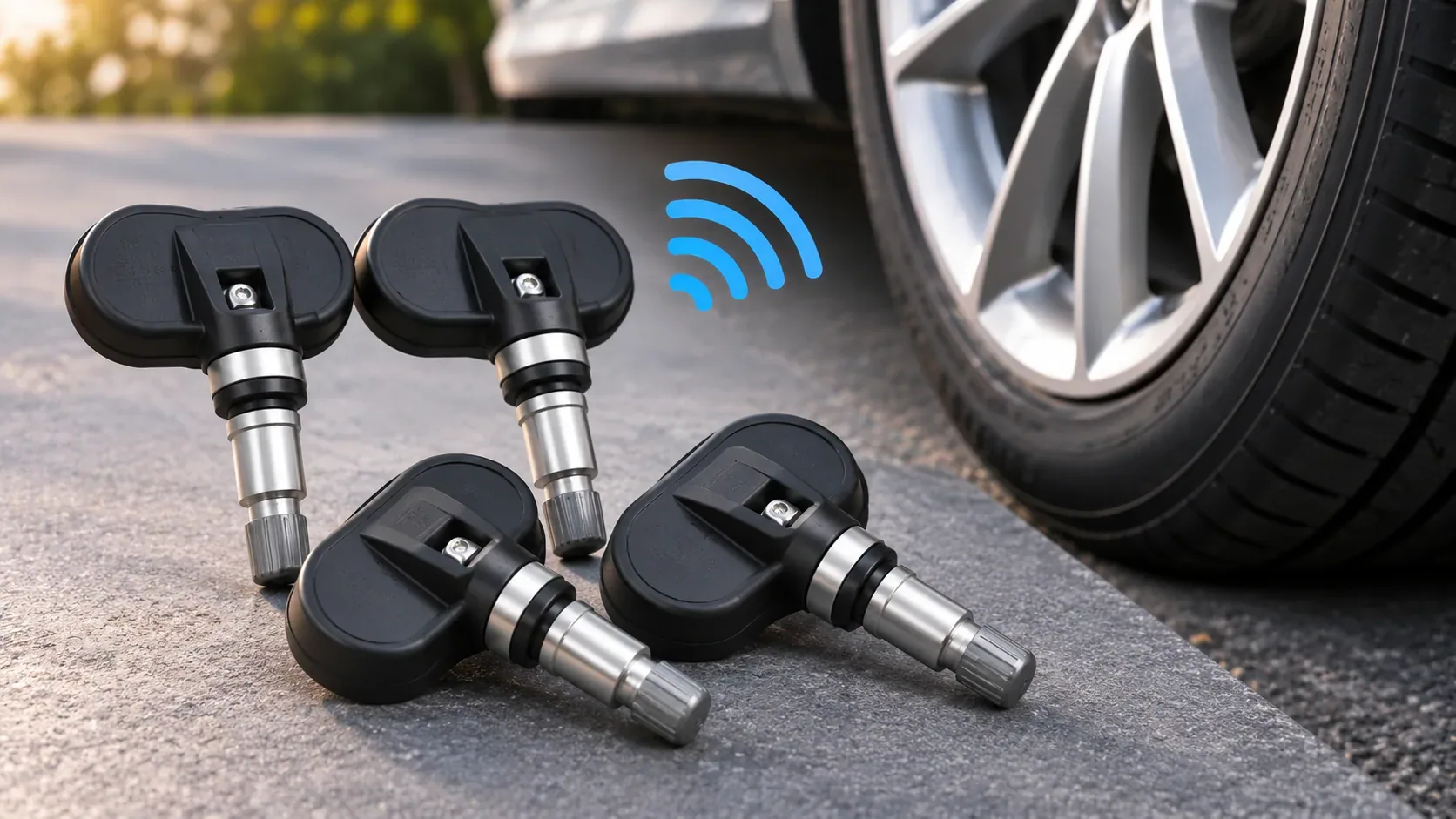
Maintaining proper tire pressure is an important part of vehicle safety, fuel efficiency, and tire maintenance. However, checking each tire manually can become inconvenient, especially when you drive frequently or travel long distances.
Wireless Tire Pressure Sensors provide a practical way to monitor tire conditions and receive alerts when pressure changes require attention.
These devices transmit tire pressure information to a compatible display, receiver, or monitoring application. Depending on the model, they may track temperature and notify you about potentially unsafe conditions.
If you're planning to purchase a tire monitoring solution, understanding sensor types, compatibility, installation requirements, and maintenance costs can help you choose a suitable option.
Wireless Tire Pressure Sensors: How Do They Work?
Wireless tire pressure sensors measure air pressure inside your tires and transmit the readings electronically to a compatible monitoring device.
Most systems use battery-powered sensors that communicate through radio signals. The receiver processes the information and displays tire pressure readings or warning notifications.
A typical Tire Pressure Monitoring System includes several components:
- Pressure sensors: Measure air pressure within each tire.
- Wireless transmitter: Sends sensor readings to the receiver.
- Receiver or display: Presents pressure information to the driver.
- Warning system: Alerts you when tire pressure exceeds configured limits.
- Temperature monitoring: Available on certain models to help identify unusual temperature changes.
Some systems display individual tire readings continuously, while others provide information periodically or when a warning condition occurs.
The monitoring method depends on the vehicle and the equipment installed.
Why Should You Use Wireless Tire Pressure Sensors?
Proper tire inflation affects vehicle handling, braking performance, tire wear, and energy consumption.
Wireless monitoring equipment can help you recognize pressure changes before they lead to additional problems.
1. Detect Tire Pressure Changes Earlier
A gradual air leak may not be immediately noticeable while driving.
With Real-Time Tire Pressure Monitoring, compatible systems can provide updated readings and warnings when pressure falls outside configured limits.
However, reporting intervals and alert response times vary between products.
2. Support Better Fuel Efficiency
Underinflated tires can increase rolling resistance, potentially increasing fuel consumption.
Monitoring pressure regularly helps you maintain the inflation levels recommended by your vehicle manufacturer.
Actual fuel savings depend on driving conditions, tire specifications, and how far the original pressure differs from the recommended level.
3. Reduce Uneven Tire Wear
Incorrect tire inflation may contribute to irregular tread wear.
Keeping your tires properly inflated can support consistent tire performance and help you avoid premature replacement caused by inflation-related problems.
4. Improve Awareness During Long Drives
Drivers covering extended distances may find wireless monitoring particularly helpful.
Certain systems allow you to check multiple tires from a single display, reducing the need to stop solely to obtain routine pressure readings.
Nevertheless, manual inspections remain necessary because electronic sensors cannot detect every tire defect.
Types of Wireless Tire Pressure Sensors
Wireless sensors generally fall into two categories: internal and external.
Each design has advantages and limitations depending on your vehicle, installation preferences, and maintenance requirements.
Internal Tire Pressure Sensors
Internal sensors are installed inside the tire assembly, commonly attached to the valve stem or mounted within the wheel.
These sensors measure pressure directly within the tire.
Advantages:
- Protected from direct exposure to road debris.
- Less accessible to theft or accidental removal.
- Commonly used in factory-installed monitoring systems.
- Can provide pressure and temperature information on compatible equipment.
Limitations:
- Installation generally requires tire removal.
- Professional installation may be necessary.
- Battery replacement may require replacing the complete sensor.
- Sensor programming or relearning may be required.
Internal sensors can be a suitable choice if you prefer a factory-style installation.
External Tire Pressure Sensors
External Tire Pressure Sensors attach to compatible tire valve stems, usually replacing the existing valve caps.
They are frequently used in aftermarket monitoring kits.
Advantages:
- Installation is generally straightforward.
- Sensors can often be transferred between compatible vehicles.
- Battery replacement may be simpler on models with replaceable batteries.
- Tire removal is usually unnecessary.
Limitations:
- Sensors are exposed to weather and road conditions.
- They may be vulnerable to theft or accidental damage.
- Some designs require anti-theft locking components.
- Valve-stem compatibility and clearance must be checked.
External models may suit drivers seeking a convenient aftermarket installation.
Internal vs. External Tire Pressure Sensors: Comparison
| Feature | Internal Sensors | External Sensors |
|---|---|---|
| Installation | Usually requires tire removal | Usually attaches to valve stems |
| Installation cost | Often higher | Often lower |
| Exposure to road conditions | Protected inside tire | Exposed |
| Battery maintenance | Often requires sensor replacement | Replaceable on some models |
| Theft resistance | Generally higher | Depends on locking design |
| Vehicle compatibility | Requires careful matching | Requires compatible valves and receiver |
| Best suited for | Factory-style installations | Convenient aftermarket monitoring |
Neither design is automatically better for every vehicle.
Your decision should depend on installation requirements, vehicle compatibility, sensor specifications, and long-term maintenance costs.
Key Features to Check Before Buying Wireless TPMS Sensors
When comparing Wireless TPMS Sensors, focus on specifications that affect everyday usability rather than purchasing based on price alone.
Pressure Measurement Range
Check the sensor's supported pressure range.
Passenger cars, commercial vehicles, trailers, and recreational vehicles may have significantly different inflation requirements.
The sensor must support the pressures specified for your tires.
Measurement Accuracy
Review the manufacturer's stated accuracy tolerance.
For example, a sensor advertised with an accuracy of ±1 psi may be suitable for many passenger vehicle applications, provided its other specifications meet your requirements.
Accuracy claims should be verified against product documentation.
Wireless Communication Range
Wireless transmission distance can affect performance, especially on longer vehicles.
Cars may require relatively short transmission distances, while trailers and recreational vehicles may need extended-range equipment or signal repeaters.
Battery Life and Replacement
Battery lifespan varies according to sensor design, transmission frequency, operating temperature, and usage.
Check if the battery is replaceable and whether replacements are readily available.
Display and Alert Functions
Useful monitoring features may include:
- Individual tire pressure readings.
- High-pressure and low-pressure warnings.
- Tire temperature information.
- Audible warning notifications.
- Adjustable pressure thresholds.
- Display brightness controls.
- Multiple vehicle or trailer configurations.
Choose features based on your driving habits and monitoring requirements.
Weather Resistance
External sensors should be designed to withstand normal road exposure.
Review the manufacturer's ingress protection rating and operating temperature specifications when available.
How Much Do Wireless Tire Pressure Sensors Cost?
Prices depend on sensor type, manufacturer, vehicle compatibility, and included accessories.
The following ranges are general budgeting estimates in US dollars, not verified current retailer quotations.
| Product Type | Approximate Price (USD) |
|---|---|
| Basic external sensor kit | $25–$60 |
| External kit with dedicated display | $40–$120 |
| Replacement internal sensor | $20–$80 per sensor |
| Multi-tire RV or trailer monitoring kit | $100–$350+ |
| Professional internal sensor installation | Additional labor charges |
Actual prices may fall outside these ranges.
When comparing products, check if the advertised price includes all required sensors, receivers, mounting accessories, and installation services.
A lower-priced kit may become expensive if you need additional components.
How to Choose Wireless Tire Pressure Sensors for Your Vehicle
The best purchasing decision begins with your vehicle's requirements.
For Passenger Cars
Prioritize sensor compatibility, reliable warning notifications, and straightforward pressure readings.
If your car already has a factory-installed monitoring system, confirm that any replacement sensor supports the required communication protocol.
For SUVs and Pickup Trucks
Check pressure range, wheel compatibility, and wireless reception.
Drivers who frequently carry heavy loads should pay particular attention to the recommended tire pressures for their loading conditions.
For Recreational Vehicles
Look for systems that support the correct number of tires, suitable pressure ranges, and sufficient wireless coverage.
Longer vehicles may require repeaters to maintain communication between sensors and receivers.
For Trailers
Confirm that the monitoring system supports trailer configurations.
Some equipment allows users to monitor both towing vehicles and trailers through a compatible receiver.
Also verify the sensor's suitability for the trailer's tire pressure specifications.
Installing Wireless Tire Pressure Sensors
Installation requirements depend on the sensor design.
Installing External Sensors
External sensors are generally easier to install, although exact procedures vary.
- Park your vehicle safely and allow the tires to cool.
- Check tire pressure using a reliable gauge.
- Inflate each tire to the vehicle manufacturer's recommended cold pressure.
- Remove the existing valve caps.
- Install the sensors according to the manufacturer's instructions.
- Pair each sensor with its designated receiver.
- Confirm that the displayed readings correspond to the correct tires.
- Check for air leaks around the installed sensors.
Avoid overtightening sensors or using incompatible valve stems.
Installing Internal Sensors
Internal sensor installation generally involves removing the tire from the wheel.
A qualified tire technician can install the sensor, inspect the valve assembly, and complete any required programming.
Wheel balancing may also be necessary after installation.
Follow the vehicle and sensor manufacturers' installation procedures.
When Is Tire Pressure Sensor Replacement Necessary?
Tire Pressure Sensor Replacement may become necessary when a sensor stops transmitting, reports inaccurate readings, or develops an internal battery problem.
Common warning signs include:
- Missing pressure readings.
- Repeated communication errors.
- A persistent TPMS malfunction indicator.
- Readings that differ significantly from a verified pressure gauge.
- Physical sensor or valve damage.
Before replacing a sensor, check the receiver, pairing settings, battery condition, and compatibility.
A warning light does not always indicate a defective sensor. Low tire pressure, communication problems, and system faults can produce different warnings.
Professional diagnosis may help prevent unnecessary replacement costs.
Common Questions About Wireless Tire Pressure Sensors
Are wireless tire pressure sensors accurate?
Many direct-measurement sensors provide useful pressure readings when correctly installed and maintained. However, accuracy depends on the sensor's specifications, calibration, operating conditions, and condition.
Can you install wireless sensors on any vehicle?
Not necessarily. Compatibility depends on the valve stem, wheel design, supported pressure range, receiver, and communication protocol.
Factory-installed systems may require vehicle-specific replacement sensors.
Do wireless tire pressure sensors need batteries?
Most direct wireless sensors use batteries. Some internal designs have sealed batteries, while certain external models allow battery replacement.
Can wireless tire pressure sensors detect a flat tire?
Compatible sensors can identify pressure loss and trigger warnings. However, notification timing varies, and sudden tire failure may occur before a warning can prevent damage.
Do wireless sensors replace manual tire inspections?
No. You should continue checking tire condition, tread depth, visible damage, and inflation pressure with a reliable gauge.
Electronic monitoring is an additional safety tool rather than a substitute for regular maintenance.
How long do wireless tire pressure sensors last?
Service life depends on sensor construction, battery capacity, environmental exposure, and operating conditions.
Consult the manufacturer's specifications for expected battery and sensor life.
Making the Right Choice for Your Tire Monitoring Needs
Wireless tire pressure sensors can help you monitor inflation levels and identify pressure changes during everyday driving.
Before purchasing, compare sensor accuracy, compatibility, installation requirements, communication range, and replacement costs.
External models may suit drivers seeking convenient installation, while internal sensors may be preferable for factory-style monitoring.
Regardless of the system you choose, maintain your tires according to the vehicle manufacturer's recommendations and continue performing regular physical inspections.