Expanding the Adventure Brand
When Rivian first burst onto the scene with the R1T pickup and R1S three-row SUV, it established itself as the premier brand for the eco-conscious outdoor enthusiast. However, with price tags easily clearing the eighty-thousand-dollar mark, those premium electric adventure vehicles remained out of reach for the average consumer. Enter the newly unveiled Rivian R2. This compact electric SUV is designed to bring Rivian's signature rugged charm, innovative engineering, and outdoor-focused utility to a much wider, mainstream audience.
The R2 represents a critical turning point for the California-based EV maker. It is not just a smaller vehicle; it is a play for global scale. By targeting the highly competitive midsize and compact SUV segment, currently dominated by the likes of the Tesla Model Y and Hyundai Ioniq 5, Rivian is positioning the R2 as its most important product launch to date.
Iconic Design in a Scaled-Down Package
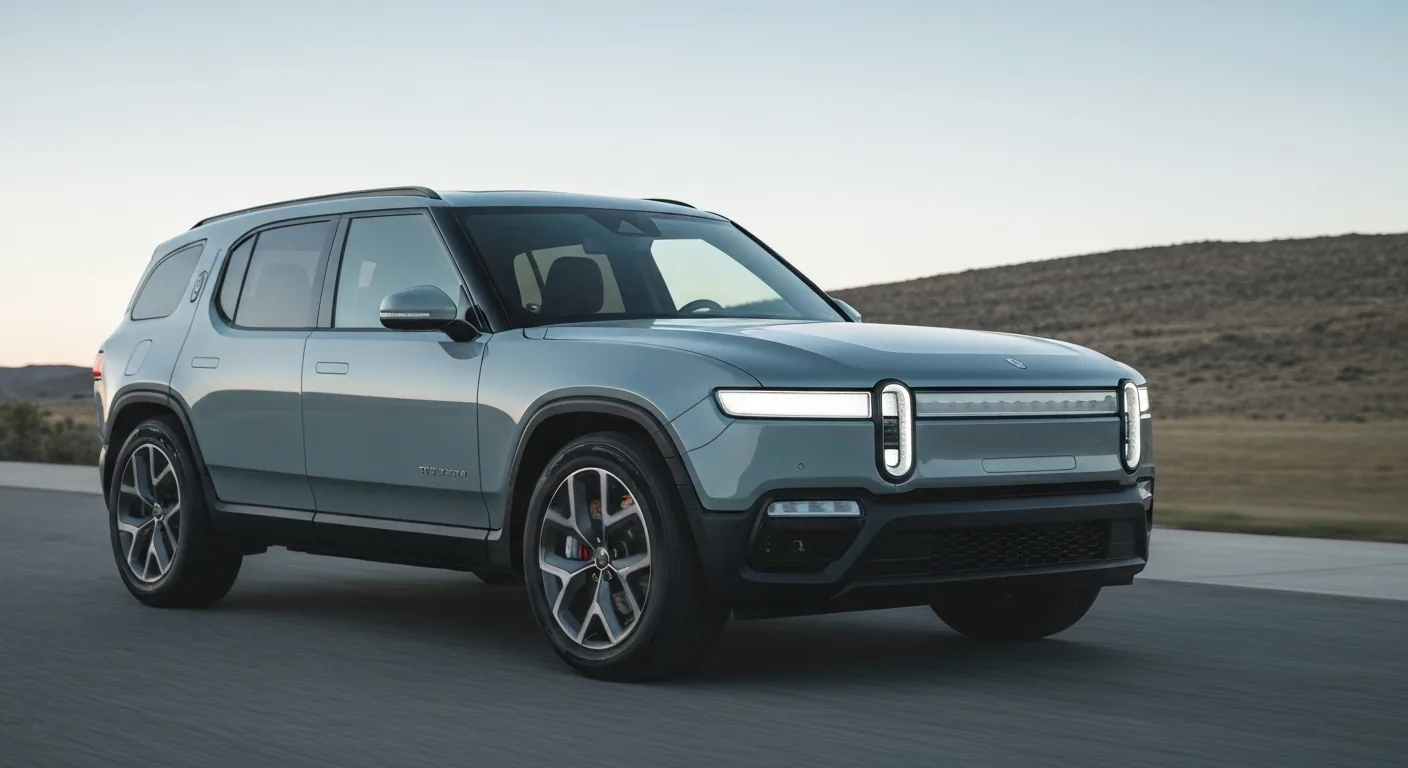
At first glance, the Rivian R2 is unmistakably a Rivian. It retains the blocky, upright silhouette of its larger sibling, the R1S, but shrinks those proportions into a package that is roughly fifteen inches shorter and several inches lower. This smaller footprint makes the R2 significantly more maneuverable in tight urban environments while maintaining the commanding road presence that SUV buyers crave.
The front fascia features the iconic stadium-shaped vertical headlights connected by a full-width horizontal lightbar. It is a design language that has become synonymous with modern electric adventure. By keeping this front-end identity intact, Rivian ensures that the R2 commands the same aspirational appeal as the more expensive R1 models. The short front and rear overhangs also suggest that despite its friendlier price tag, this vehicle is still built with off-road clearance and adventure in mind.
Battery Power, Range, and Performance
Rivian plans to offer the R2 in three distinct motor configurations: a single-motor rear-wheel-drive variant, a dual-motor all-wheel-drive system, and a high-performance tri-motor setup featuring two motors on the rear axle and one on the front. This diverse lineup ensures there is an R2 for every type of driver, whether they prioritize maximum efficiency or thrilling acceleration.
Regardless of the motor configuration, Rivian claims that the larger of its two battery pack options will deliver over three hundred miles of range on a single charge. For the top-tier tri-motor variant, drivers can expect sports-car-level performance, with the ability to sprint from zero to sixty miles per hour in under three seconds. The vehicle utilizes an all-new structural battery platform where the cells themselves form part of the vehicle's frame, improving rigidity and optimizing cabin space.
A Cabin Built for Utility and Comfort
Step inside the R2, and you are greeted by an interior that feels simultaneously premium, minimalist, and incredibly durable. Rivian has opted for sustainable, easy-to-clean materials throughout the cabin, recognizing that its owners are likely to climb inside with muddy hiking boots or wet gear.
The dashboard features a large central touchscreen housing Rivian's proprietary software interface, complemented by a digital instrument cluster behind the steering wheel. One of the most talked-about interior updates is the inclusion of dual gloveboxes. Responding directly to feedback from R1 owners who lamented the lack of traditional dashboard storage, Rivian designed two separate drop-down storage compartments beneath the dash. Additionally, the steering wheel features two massive, tactile scroll wheels with haptic feedback, allowing drivers to easily control vehicle functions without taking their eyes off the road.
Revolutionary Storage and Camp-Ready Features
What truly sets the Rivian R2 apart from virtually every other compact SUV on the market is its obsession with creative storage and outdoor usability. Rivian has taken the concept of interior flexibility to a new level.
- First, every single seat in the cabin—including both the driver and front passenger seats—can fold completely flat. This transforms the interior into a massive, flat sleeping platform, allowing two adults to comfortably camp inside the vehicle protected from the elements.
- Second, the rear glass window can be rolled down completely into the tailgate. This feature is perfect for hauling long gear like surfboards or lumber, and it provides a unique open-air driving experience when paired with the pop-out rear quarter windows.
- Finally, the front trunk, or "frunk," offers a surprisingly generous amount of storage space. It is perfect for stowing dirty hiking gear, charging cables, or a couple of grocery bags away from the main passenger compartment.
Next-Generation Autonomy and Computing
To keep pace with the rapidly evolving driver-assistance landscape, the R2 comes equipped with an all-new perception stack. The vehicle features eleven cameras and five radar sensors strategically positioned around the exterior, powered by a significantly more robust onboard computer.
This hardware suite is designed to enable advanced hands-free driving on highways. Rivian has hinted that this system will allow drivers to take their hands off the wheel and eyes off the road under specific highway conditions, with the system monitoring driver attentiveness to ensure safety. By building this hardware into every R2 from the factory, Rivian is future-proofing the platform for subsequent over-the-air software updates that will continue to expand its autonomous capabilities.
Price, Delivery, and Competing in a Crowded Field
The most compelling aspect of the Rivian R2 is undoubtedly its target starting price. Rivian has announced that the R2 will start at approximately forty-five thousand dollars before any federal tax credits or local incentives. This price point places it squarely in the sweet spot of the mainstream EV market, making it an incredibly attractive alternative to established players.
At this price, the R2 will compete directly with the Tesla Model Y, the best-selling vehicle in the world, as well as the Ford Mustang Mach-E and the Kia EV6. However, Rivian's distinct "outdoor adventure" branding gives it a unique competitive advantage. While other electric crossovers lean heavily into urban luxury or futuristic minimalism, the R2 offers a rugged, lifestyle-oriented alternative that appeals directly to weekend warriors and outdoor enthusiasts.
Seamless Charging Across Networks
Charging convenience is a make-or-break factor for any new electric vehicle, and Rivian has taken steps to ensure R2 owners have a seamless experience. The R2 will ship with a native North American Charging Standard (NACS) charge port, meaning owners can plug directly into Tesla's vast Supercharger network without needing an adapter.
For those using traditional CCS-style DC fast chargers, Rivian will offer an adapter. The vehicle's 800-volt electrical architecture is designed to support high-speed fast charging, allowing the battery to juice up from ten percent to eighty percent in less than thirty minutes. This fast-charging capability, combined with the vehicle's impressive range, makes long-distance road trips to remote national parks a highly feasible reality.
The Future of Rivian Rides on the R2
The Rivian R2 is more than just a new vehicle launch; it is the ultimate test of Rivian's viability as a high-volume automotive manufacturer. By shrinking the design language, spirit, and clever engineering of its flagship models into a highly affordable, versatile package, Rivian has created one of the most exciting electric vehicles of the decade. If the company can successfully navigate the challenges of mass production, the R2 has all the ingredients necessary to become the defining compact electric SUV for a new generation of adventurers.