
Finding a guitar amp that sounds great at home, in the studio, and on stage often feels like a compromise. Some amps deliver excellent tone but lack flexibility. Others offer endless features yet make simple tasks frustrating.
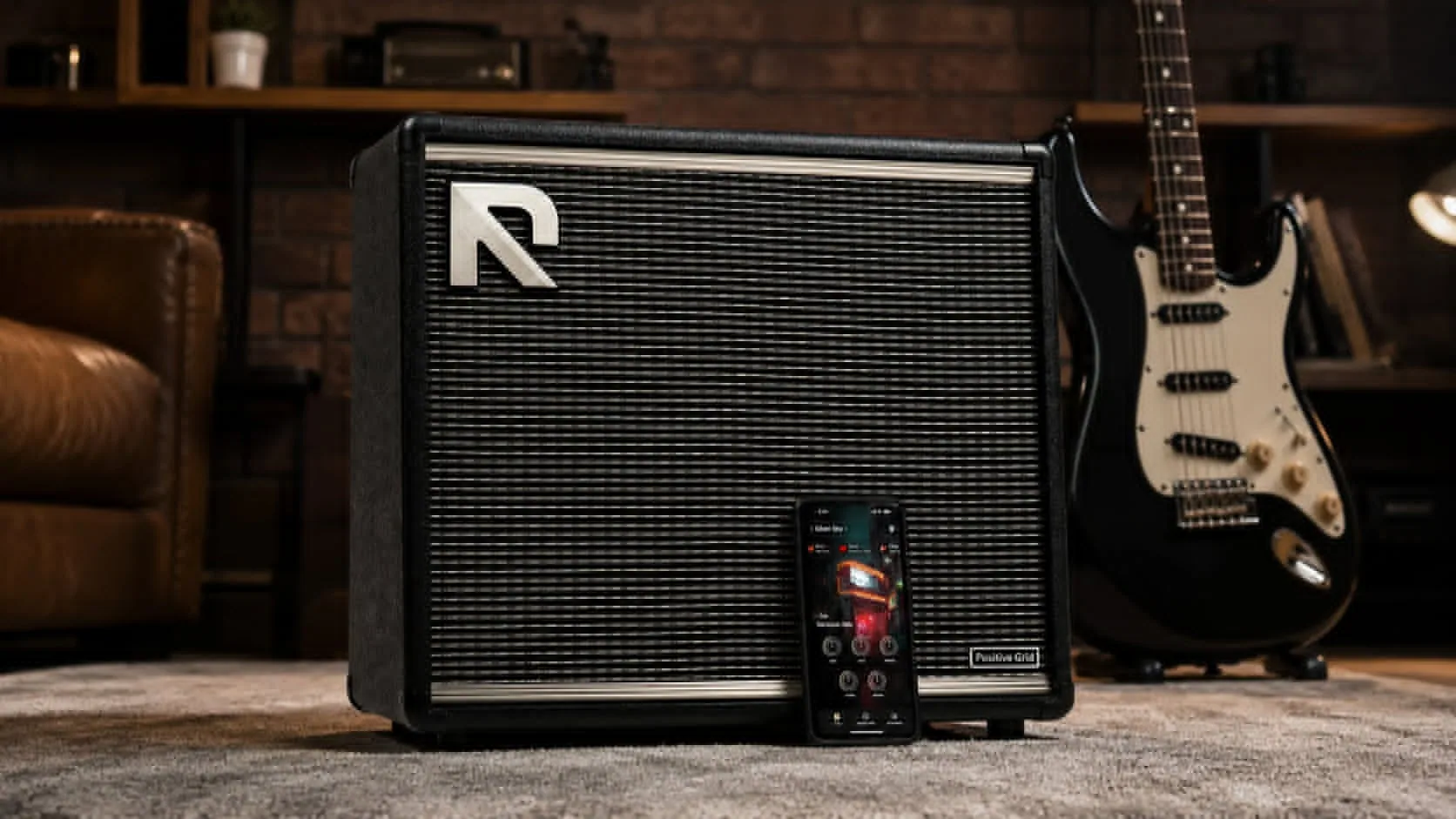
The Positive Grid 50-Watt Reactor takes a different approach by combining traditional amp controls with AI-assisted tone creation, modern connectivity, and a lightweight design.
Designed for players who want versatility without hauling a large rig, this 50-watt combo amp packs a custom 12-inch speaker, multiple power modes, built-in effects, and deep app integration.
One of its most talked-about features is the ability to create tones from text prompts, audio clips, and images through Positive Grid's Amp Intelligence platform. The Reactor 50 currently sells for approximately $349 on Amazon US and major retailers.
After reviewing its specifications, features, and early hands-on impressions, it becomes clear that this amp offers a fresh take on digital amplification while still leaving room for a few practical considerations.
Positive Grid 50-Watt Reactor Features and Specifications
It delivers 50 watts of power through a custom-designed 12-inch speaker and includes selectable output settings of 1W, 25W, and 50W for different playing environments.
Key Specifications
| Feature | Details |
| Output Power | 1W, 25W, 50W |
| Speaker | Custom 12-inch speaker |
| Amp Voicings | Clean, Warm, Grit, Crunch, Hi-Gain, Extreme |
| Presets | 8 onboard presets |
| USB Recording | USB-C audio interface |
| Bluetooth | Audio streaming and app control |
| Effects Loop | Yes |
| MIDI Support | Yes |
| Weight | 23.6 lbs (10.7 kg) |
| Current Price | Around $349 |
The combination of portability and gig-friendly features places it in direct competition with popular options like the Boss Katana series and other digital guitar amps.
Power and Performance in Real-World Use
A 50-watt combo amp can cover a surprising range of situations, and the Reactor handles that flexibility well.
The selectable wattage settings make it easy to adapt to different environments:
- 1W for late-night practice and recording
- 25W for rehearsals and smaller sessions
- 50W for live performances and larger rooms
One standout observation from early reviews is that the amp maintains its character at lower volume levels. Many modeling amps lose fullness when turned down, while the Reactor's power management is designed to preserve tone across different output settings.
The custom 12-inch speaker also contributes to a more traditional guitar amp feel compared to some full-range speaker systems commonly used in modeling amplifiers.
Amp Modeling and Tone Options
The Reactor's sound engine offers six core amp voicings:
- Clean
- Warm
- Grit
- Crunch
- Hi-Gain
- Extreme
Each voicing responds differently to playing dynamics and pickup selections. The front panel includes familiar controls for:
- Gain
- Bass
- Middle
- Treble
- Master
- Volume
Additional controls such as Heat and Push/Smooth help shape gain structure and responsiveness. These features allow deeper customization without forcing you to spend hours inside software menus.
For players moving from traditional tube amplifiers, this layout helps make the transition feel more natural.
AI Tone Generation: Useful Innovation or Gimmick?
The biggest talking point surrounding the Reactor is its AI guitar amp functionality.
Using the Reactor app, you can generate tones from:
- Text descriptions
- Reference songs
- Audio clips
- Images
The system analyzes your input and creates a signal chain designed to match the requested sound. Positive Grid calls this technology "Amp Intelligence," built from analysis of more than 200 amplifier circuits and extensive tone data.
In practical use, the feature often produces surprisingly usable starting points. For example, entering a prompt describing a classic blues lead tone can quickly create a playable preset without extensive tweaking.
At the same time, AI-generated tones are not always perfect. Some users may still need to fine-tune EQ, gain, and effects settings to match personal preferences. That balance between automation and manual control is important to keep in mind.
Built-In Effects and Signal Processing
The guitar amp effects selection is extensive enough for most players to leave extra pedals at home.
Available effects include:
Drive Effects
- Overdrive
- Distortion
- Boost
Modulation Effects
- Chorus
- Phaser
- Flanger
- Tremolo
Time-Based Effects
- Digital delay
- Analog delay
- Tape delay
Reverb Options
- Hall
- Room
- Plate
- Spring
Additional tools include:
- Compressor
- Noise gate
- EQ
- Filters
This collection covers most common playing styles, from classic rock and blues to modern metal and ambient guitar work.
USB Recording and Studio Connectivity
For home recording musicians, the Reactor doubles as a USB recording amp through its built-in USB-C audio interface.
Benefits include:
- Direct recording into a DAW
- Reduced need for additional audio hardware
- Consistent recording tones
- Silent recording through headphones
The amp also includes:
- Line output
- Headphone output
- Effects loop
- MIDI input
- Bluetooth connectivity
- Power amp input
These connections make the Reactor adaptable for both studio and live applications.
ToneCloud and Community Presets
The Reactor integrates with Positive Grid's ToneCloud ecosystem.
This feature allows you to:
- Download community-created presets
- Share your own sounds
- Discover artist-inspired tones
- Access AI-generated signal chains
For newer players, ToneCloud can significantly reduce the learning curve associated with deep amp modeling systems. Instead of building every tone from scratch, you can start with proven presets and make adjustments as needed.
Portability and Build Quality
At approximately 23.6 pounds (10.7 kg), the Reactor remains highly portable for a 50-watt combo amp.
Dimensions:
- Width: 18.1 inches
- Depth: 9.4 inches
- Height: 16.5 inches
The cabinet feels sturdy enough for regular transport while remaining compact enough for home studios, rehearsal rooms, and smaller stages.
Players who frequently move equipment between gigs will likely appreciate this balance between power and portability.
Potential Drawbacks to Consider
No product is perfect, and the Reactor has a few limitations worth discussing.
App Dependency
Many advanced features rely on the Reactor app. Players who prefer purely hardware-based operation may find this frustrating.
Learning Curve
The AI-driven workflow introduces concepts that traditional amp users may need time to learn.
Limited Onboard Presets
The amp stores eight onboard presets. While cloud storage expands this considerably, some live performers may want more instantly accessible sounds.
AI Tone Accuracy
Generated tones often provide strong starting points, though occasional manual adjustments remain necessary.
Who Should Buy the Positive Grid 50-Watt Reactor?
The Reactor works especially well for:
Home Players
The low-power mode and headphone support make practice convenient.
Recording Musicians
USB recording capabilities streamline studio workflows.
Cover Bands
The extensive amp modeling and effects selection can cover multiple genres.
Gigging Guitarists
Its lightweight design and versatile connectivity simplify transportation and setup.
Tone Experimenters
Players interested in AI-assisted tone creation may find the Reactor particularly appealing.
Final Verdict
The Positive Grid 50-Watt Reactor brings together modern modeling technology, practical stage features, and AI-powered tone generation in a compact package.
Its 50-watt output, custom 12-inch speaker, extensive effects library, and strong connectivity make it suitable for practice, recording, and live performance. Early hands-on reviews suggest the amp delivers responsive tones and impressive flexibility, though the companion app can require some adjustment for new users.
For guitarists looking for a versatile modeling amplifier that goes beyond traditional preset browsing, the Reactor offers an interesting alternative.
Before making a decision, it is worth checking the latest Amazon pricing, reading current user feedback, and comparing it with alternatives like the Boss Katana and other digital guitar amps. You may also want to explore related models and accessories to find the setup that best fits your playing style.