Build Sustainable Activewear on Cerqular
Discover how to curate eco-friendly activewear on Cerqular's sustainable fashion marketplace. Shop ethical brands, organic materials, and performance-driven pieces without compromising style or environmental values.
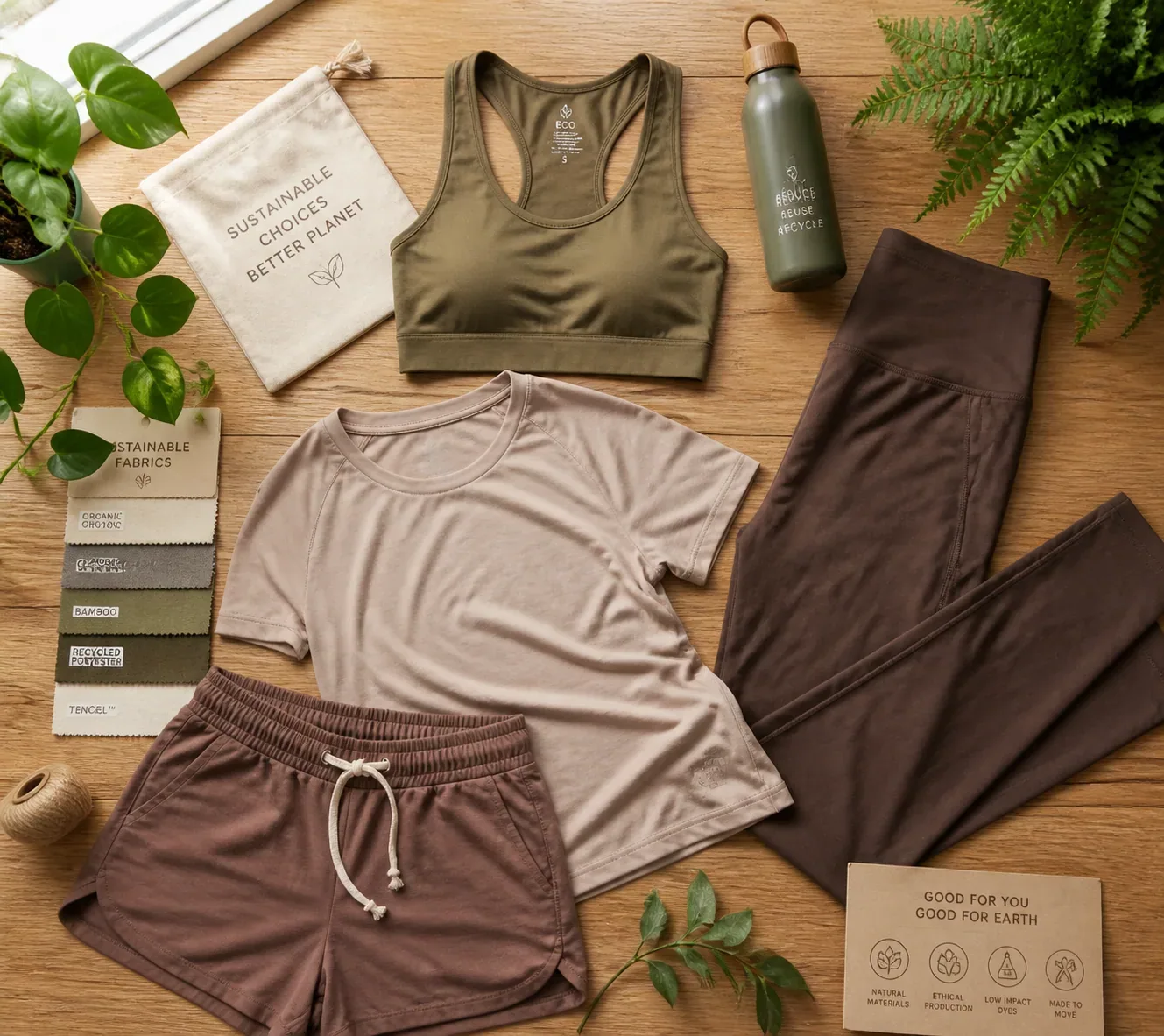
The global sustainable apparel market is projected to reach $12.6 billion by 2030—yet most shoppers still struggle to find activewear that performs as well as it aligns with their values. You want leggings that actually support your workouts, not pieces that fall apart after three months or leave you questioning the human cost behind the tag.
Cerqular Sustainable Fashion Marketplace has emerged as a game-changer for conscious athletes and fitness enthusiasts by curating verified eco-conscious activewear from ethical labels. The platform eliminates the guesswork that typically comes with hunting for sustainable gear, connecting you directly with brands that meet rigorous transparency and ethical standards.
Understanding Cerqular's Curated Activewear Selection
How Cerqular Vets and Selects Ethical Activewear Brands Versus Traditional Marketplaces
Cerqular operates differently from conventional fashion retailers. Rather than accepting any brand willing to pay for shelf space, the platform actively vets each label before inclusion. This curation process means you're shopping from a pre-filtered selection of brands that have already demonstrated commitment to ethical practices and sustainable manufacturing.
Traditional marketplaces cast a wide net, leaving the burden of verification squarely on your shoulders. You're forced to decipher sustainability claims on your own, cross-reference certifications, and hope that the brand's marketing aligns with reality. Cerqular eliminates this friction by doing the legwork upfront, so you can browse with confidence rather than suspicion.
The Transparency Standards Brands Must Meet
Every brand featured on Cerqular must disclose material sourcing, production methods, and labor practices. This isn't optional—it's a core requirement for marketplace inclusion. Brands provide documentation of certifications, supply chain information, and third-party audits that verify their claims.
You'll find transparency details embedded in product pages, allowing you to understand exactly where your activewear comes from and who made it. This level of accountability distinguishes Cerqular from platforms where brands can make vague "eco-friendly" claims without substantiation.
Range of Price Points for Activewear
Cerqular's activewear typically ranges from approximately $30 to $150+ depending on the brand, materials, and construction quality. Sports bras, leggings, and performance tops span this spectrum, allowing you to find options across different budget levels.
The mid-range pricing ($60–$100) often delivers the best value for conscious shoppers, balancing durability, ethical production, and affordability. Premium pieces ($120–$150+) frequently incorporate innovative sustainable fabrics or brands with particularly stringent labor practices.
Categories Available
Cerqular's activewear selection encompasses sports bras, leggings, shorts, jackets, and performance accessories. This variety means you can build a complete workout wardrobe from verified sustainable brands rather than cobbling together pieces from multiple retailers with inconsistent ethical standards.
Sustainable Fabric Technologies That Actually Perform
Organic Cotton Blends: Breathability, Durability, and Care Requirements
Organic cotton delivers exceptional breathability, making it ideal for base layers and t-shirts. Unlike conventional cotton, organic varieties are grown without synthetic pesticides or fertilizers, reducing environmental impact significantly. Many sustainable activewear brands blend organic cotton with small percentages of elastane or recycled synthetics to create fabric that stretches without compromising breathability.
Organic cotton does require slightly more careful handling than synthetic blends. Machine wash in cool water, avoid high heat when drying, and consider air-drying to extend garment lifespan. The investment in proper care pays dividends—well-maintained organic cotton pieces often outlast their synthetic counterparts by years.
Recycled Polyester and Nylon: How They Match Virgin-Material Performance
Recycled polyester and nylon perform virtually identically to virgin materials while diverting plastic waste from landfills. Modern recycled fibers undergo rigorous processing that maintains elasticity, moisture-wicking properties, and durability. You won't sacrifice performance choosing recycled synthetics—you're simply choosing a more responsible origin.
The Recycled Content Standard (GRS) certifies the percentage of recycled content in finished products, so you can verify exactly how much post-consumer waste went into your gear. Many high-performance activewear brands now rely primarily on recycled synthetics for base layers and performance-critical pieces.
Low-Impact Dyes and Their Role in Reducing Water Waste During Production
Traditional dyeing processes consume enormous quantities of water and release chemical-heavy wastewater into ecosystems. Low-impact dyes reduce water usage by up to 90% while preventing toxic chemicals from contaminating local waterways. For activewear manufactured in regions with water scarcity, this distinction becomes particularly significant.
Cerqular brands utilizing low-impact dyes often highlight this commitment in product descriptions. These pieces perform identically to traditionally dyed counterparts while supporting manufacturing practices that protect surrounding communities and ecosystems.
Innovative Materials: Tencel, Hemp Blends, and Regenerated Fibers for Activewear
Tencel (lyocell) represents a regenerated fiber made from sustainably harvested wood pulp using closed-loop production that recycles 99% of solvents. The result is fabric with exceptional softness, breathability, and biodegradability—making it increasingly popular for sustainable activewear brands.
Hemp blends offer durability and natural antimicrobial properties, though the fabric tends to be stiffer than synthetic alternatives until broken in. Regenerated fibers bridge performance gaps by combining natural material origins with the technical properties modern athletes require.
Building a Capsule Activewear Wardrobe on Your Budget
Starting Essentials: Sports Bra, Leggings, and Versatile Tops
Your foundation should include one quality sports bra ($50–$90), one versatile pair of leggings ($70–$120), and two performance tops ($40–$80 each). This $200–$320 entry point provides enough pieces for a functional rotation while keeping initial investment manageable.
Prioritize neutral colors—black, navy, grey, cream—as these combine effortlessly and absorb minimal wear from seasonal trends. This strategic approach maximizes outfit combinations without requiring a sprawling wardrobe.
Layering Pieces That Maximize Outfit Combinations Without Excess Spending
A lightweight jacket ($80–$120) and fitted long-sleeve top ($50–$80) dramatically expand your wardrobe's versatility. These pieces layer over your core pieces for different seasons and training intensities, extending wear across the entire year.
Strategic layering means you're not purchasing separate "summer" and "winter" wardrobes—instead, you're using year-round pieces in combination. This approach makes mid-range pricing financially sensible because each piece earns its place through repeated use in multiple outfit combinations.
Seasonal Rotation Strategy to Justify Mid-Range to Premium Pricing
Premium activewear ($120–$150+) becomes justifiable when you're rotating pieces seasonally rather than purchasing new items each quarter. A high-quality legging worn 100+ times annually across multiple seasons delivers dramatically lower cost-per-wear than disposable fast-fashion alternatives worn a handful of times before deteriorating.
Track your wearing frequency by mentally noting which pieces get repeated use. Items worn 2–3 times weekly justify premium pricing; pieces worn monthly suggest you should allocate budget differently next time.
How to Prioritize Quality Over Quantity for Long-Term Value
Quality activewear withstands repeated washing, stretching, and intense use while maintaining shape, color, and performance. Certifications like GOTS for organic materials and GRS for recycled content signal that brands have invested in quality sourcing. Product reviews on Cerqular reveal longevity from real users—pay attention to whether reviewers mention durability after 50+ wears.
Three high-quality pieces rotated regularly outperform seven low-quality pieces purchased simultaneously. This philosophy aligns your wallet with your values by reducing consumption while ensuring gear that actually lasts.
Verifying Sustainability Claims Without Greenwashing
Red Flags: Vague Claims Like Eco-Friendly Without Third-Party Certification
Phrases like "eco-friendly," "sustainable," or "ethical" mean nothing without specific substantiation. Brands using vague language without third-party verification are likely engaging in greenwashing—creating an impression of sustainability without meaningful environmental or social impact.
Legitimate brands cite specific certifications, material percentages, and manufacturing locations. If a brand's sustainability section feels light on details or heavy on feel-good language, consider it a warning sign to investigate further or select an alternative.
Certifications to Look For: GOTS (Organic Cotton), GRS (Recycled Content), Fair Trade
GOTS (Global Organic Textile Standard) certifies that fabrics contain genuine organic materials and that production meets rigorous environmental and labor standards. GRS (Global Recycled Standard) verifies recycled content percentages and ensures chain of custody tracking.
Fair Trade certification confirms that farmers and workers received fair compensation, worked in safe conditions, and had meaningful input into production decisions. Brands displaying these certifications have undergone external auditing—their claims are verified, not self-reported.
Cerqular's Transparency Requirements and How They Differ From Unvetted Platforms
Cerqular requires brands to provide documentation backing their sustainability claims. This isn't buried in terms and conditions—it's visible in product descriptions where you can verify material sourcing, certifications, and manufacturing information before purchasing.
Unvetted platforms like general e-commerce sites place verification responsibility entirely on shoppers. You might find legitimate sustainable brands alongside greenwashing practitioners with no way to distinguish between them without extensive research.
Labor Practices: How to Identify Brands With Fair Wages and Safe Working Conditions
Ethical activewear brands disclose factory locations, wage data, and worker safety commitments. Some publish annual social impact reports detailing worker demographics, wages compared to living costs in production regions, and initiatives supporting worker wellbeing.
Look for specific details: a brand stating "factories in Vietnam paying 15% above minimum wage" demonstrates transparency far better than vague promises to treat workers fairly. Cerqular's featured brands typically provide this granularity, making ethical assessment straightforward.
Smart Shopping Strategies to Maximize Value
Seasonal Sales and Discount Periods on Cerqular Without Sacrificing Ethics
Cerqular features seasonal sales where verified sustainable brands reduce prices on select items—typically 20–40% off during end-of-season clearance. These discounts apply to legitimate overstock or seasonal pieces, not distressed inventory manufactured specifically for clearance.
Planning purchases around predictable sale periods (end of summer, end of winter) allows you to acquire premium pieces at mid-range prices. This timing strategy requires patience but dramatically improves value without compromising ethical standards.
Building a Wishlist to Track Price Drops on Desired Pieces
Most sustainable marketplaces including Cerqular allow wishlist creation. Add items you're considering, then monitor price fluctuations. Many platforms notify you when wishlisted items go on sale, capturing savings opportunities without requiring constant browsing.
This approach prevents impulse purchases while ensuring you acquire pieces you genuinely want at optimal times rather than settling for available inventory at full price.
Comparing Price-to-Sustainability Ratios Across Similar Items
Two leggings might appear functionally similar at different price points, but their sustainability profiles may differ significantly. One might incorporate 50% recycled polyester while the other uses organic cotton with Fair Trade certification—fundamentally different environmental and social impacts despite comparable performance.
Create a mental scorecard: brand transparency rating, certifications held, material innovation, and pricing. A piece with exceptional certifications and innovative sustainable materials justifies premium pricing. A piece with minimal certifications at high cost represents poor value regardless of performance.
Setting a Realistic Budget That Balances Quality, Ethics, and Personal Finances
Sustainable activewear costs more than fast fashion alternatives, reflecting true production costs rather than externalized environmental and labor expenses. Determine what percentage of your discretionary income you can allocate to activewear, then build a rotation strategy within that constraint.
Starting with $200–$300 for core essentials remains achievable for most shoppers. Add $100–$150 annually as your rotation needs replacement, gradually building a cohesive wardrobe that serves you for years.
Styling and Longevity: Making Your Pieces Last
Care Instructions for Sustainable Fabrics to Maximize Garment Lifespan
Organic cotton and recycled synthetics benefit from cool-water washing in gentle cycles. Avoid fabric softeners, which coat fibers and reduce breathability over time. Line dry or use low heat when possible—high temperatures weaken elastic fibers and cause premature wear.
Different sustainable materials require slightly different approaches. Tencel prefers cooler temperatures and gentler agitation. Hemp benefits from cool water but can tolerate more vigorous washing than delicate materials. Check product care tags and follow brand-specific recommendations to maximize longevity.
Washing Frequency and Temperature Recommendations for Organic and Recycled Materials
Wash activewear only when genuinely soiled. Modern performance fabrics don't require washing after every wear—spot cleaning and air drying between uses extends lifespan dramatically. When washing becomes necessary, cool water (60–75°F) prevents fiber degradation that occurs at higher temperatures.
Washing frequency directly impacts durability. Gear washed 50 times annually will degrade significantly faster than identical pieces washed 25 times annually. Strategic scheduling—wearing items multiple times before washing—extends lifespan while reducing water and energy consumption.
Repair Resources and Mending Communities for Extending Activewear Life
Small rips, broken seams, and worn elastic don't require discarding entire pieces. Mending communities on platforms like Reddit and local repair cafes offer guidance for fixing common issues. Learning basic repairs extends piece lifespan by years at minimal cost.
Brands like Patagonia have pioneered repair services that professionally restore gear. As sustainable fashion gains momentum, more activewear brands are establishing repair programs, extending product lifespan and reducing waste.
Building a Cohesive Color Palette for Maximum Outfit Combinations
A neutral foundation—black, navy, grey, cream—creates unlimited combinations. Add one or two accent colors (sage, terracotta, deep plum) that coordinate across your wardrobe. This restraint maximizes outfit variety while maintaining cohesion and simplifying purchasing decisions.
Limiting color options means each new piece serves multiple outfit combinations. You're not building a large wardrobe; you're building an intentional one where every piece works with existing items.
Making Your Sustainable Activewear Investment Count
Building an ethical activewear wardrobe through Cerqular isn't about perfection—it's about progression. You're making deliberate choices that ripple far beyond your morning yoga session or evening run. Start small by picking one or two core pieces that fit your budget and lifestyle, then expand thoughtfully.
Use Cerqular's transparency features to your advantage by reading material sourcing details, checking certifications, and leaning on community reviews. The activewear you choose today shapes both your fitness journey and the fashion industry's future. Each purchase signals to brands that consumers value ethical production, sustainable materials, and genuine transparency.
Your investment compounds over time. That $100 pair of leggings worn 150 times across two years costs roughly 67 cents per wear—significantly less than fast-fashion alternatives worn a dozen times before deteriorating. Quality, ethical gear isn't a premium you're paying; it's a smarter investment that serves your wallet and your values simultaneously.