
Canadian Insulin Best-Selling Products 2026
Discover Canadian Insulin's best-selling products and top insulin formulas for 2026. Compare Humalog, Novolog, and Lantus prices, delivery options, and savings on prescription diabetes medications online.
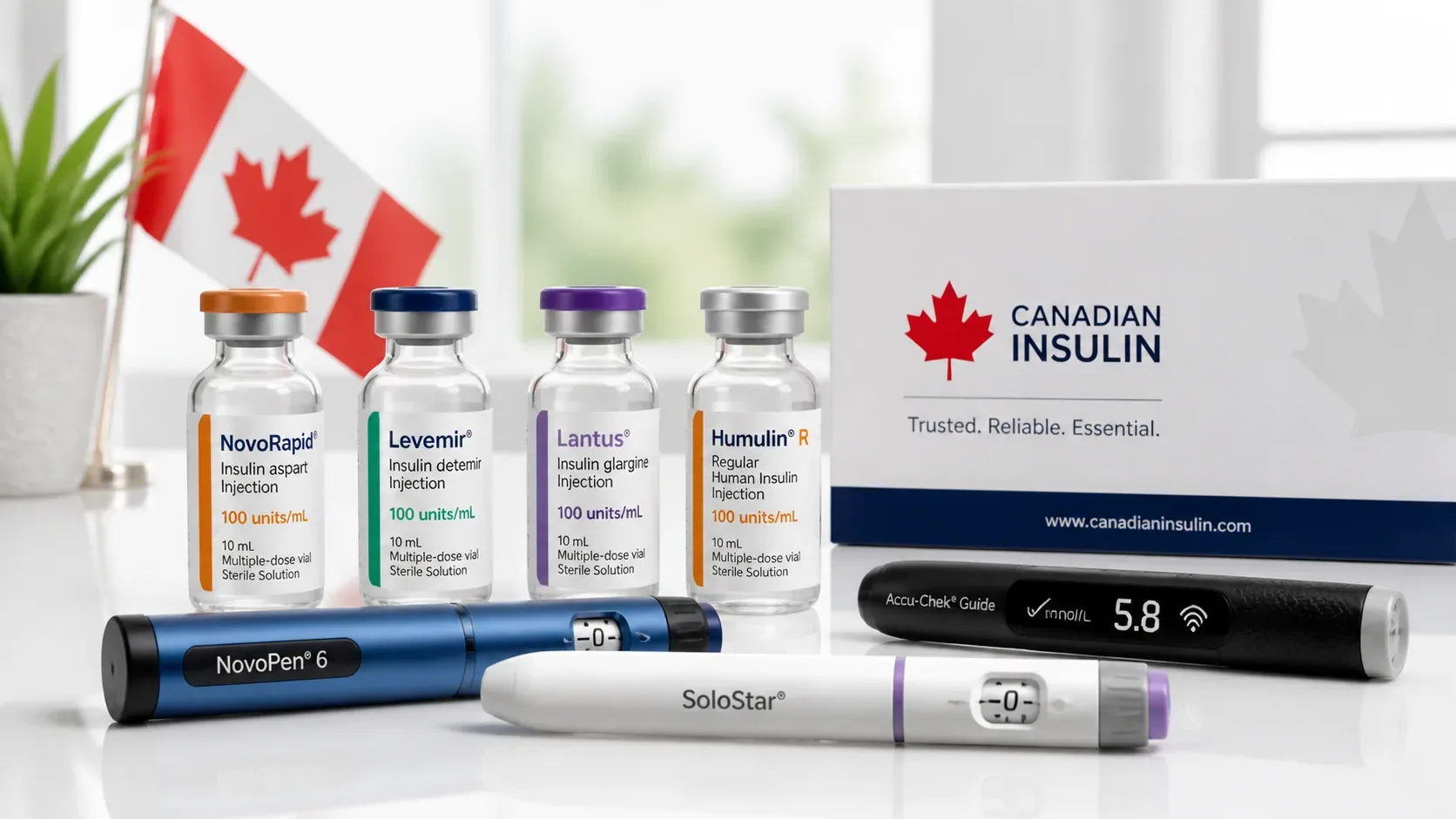
Americans spend roughly three times more on insulin than patients in Canada—and that gap keeps widening. For people managing type 1 or type 2 diabetes, this cost disparity isn't just a statistic; it's the difference between affording their medication and rationing doses. The burden falls hardest on those without adequate insurance coverage, forcing difficult choices between essential medications and other necessities.
Canadian Insulin operates as an online pharmacy specializing in prescription insulin and diabetes management supplies at substantially lower price points than typical U.S. retail chains. The brand has built its reputation on stocking major insulin analogs—Humalog, Novolog, Lantus, and similar options—in multiple formats including vials, cartridges, and prefilled pens. Their customer base continues to grow as more Americans seek alternatives to skyrocketing domestic pharmacy prices.
Top-Selling Insulin Analogs at Canadian Insulin
Humalog (insulin lispro)
Rapid-acting formula designed for mealtime blood sugar control. Humalog works quickly to match carbohydrate intake, making it a cornerstone product for insulin-dependent patients managing daily glucose spikes. Its popularity stems from decades of clinical use and proven effectiveness in diverse treatment protocols.
Novolog (insulin aspart)
Fast-onset option with flexible dosing windows that appeal to patients juggling variable meal schedules. Novolog begins working within minutes of injection, offering patients more freedom in meal timing. This flexibility has made it a favorite among active individuals and those managing unpredictable daily routines.
Lantus (insulin glargine)
Long-acting basal insulin providing overnight and steady-state coverage for 24 hours. Lantus forms the foundation of many insulin regimens, delivering consistent background glucose control that allows rapid-acting insulins to function optimally. Its once-daily dosing simplifies treatment adherence.
Levemir (insulin detemir)
Intermediate-to-long-acting alternative requiring twice-daily dosing. Some patients prefer Levemir's dosing flexibility and potentially more predictable absorption patterns compared to other basal options. It remains a trusted choice for those seeking personalized insulin regimens.
Apidra (insulin glulisine)
Rapid-acting analog for patients seeking faster onset times than traditional insulin lispro or aspart. Apidra's quicker action profile appeals to those wanting tighter mealtime glucose control or managing complex carbohydrate schedules.
Delivery Formats and Device Compatibility
Vials
Traditional multi-dose containers offering flexibility and lower per-unit costs. Vials allow patients to draw precise doses using standard syringes, making them economical for high-volume users. This format works well for patients already comfortable with injection techniques and those seeking maximum savings.
Prefilled pens
Convenient single-dose or multi-dose options for on-the-go administration. Prefilled pens reduce preparation time and improve dosing accuracy for patients with vision or dexterity challenges. Many find the discrete, portable design ideal for work or travel situations.
Cartridges
Compatible with reusable pen devices for patients with existing insulin delivery systems. Cartridges offer a middle ground between vials and prefilled pens, reducing waste while maintaining device familiarity. Patients invested in specific pen brands often prefer this format.
Compatibility with insulin pumps
Several Canadian Insulin products work seamlessly with automated delivery devices. Pump-compatible formulations undergo rigorous testing to ensure consistent performance in pump reservoirs. Patients relying on continuous subcutaneous insulin infusion should verify compatibility before ordering.
Storage requirements and shelf-life considerations
Each format demands specific storage conditions to maintain potency. Unopened insulin typically remains stable for several years when refrigerated, while opened vials or pens last approximately 28 days at room temperature. Shipping across borders requires careful temperature management to preserve medication integrity.
Price Comparison: Canadian Insulin vs. U.S. Retail Pharmacies
Average savings per vial or pen box across major insulin brands consistently range from 40 to 60 percent below typical U.S. pharmacy prices. A single vial of Humalog costing $300 at major American chains might be available for $100 to $150 through Canadian suppliers. These differences multiply rapidly when managing multiple daily injections or maintaining month-long supplies.
Bulk ordering discounts become increasingly attractive as patients order multi-month supplies. Purchasing three months of insulin at once typically yields better per-unit pricing than monthly orders. Some patients report additional discounts ranging from 5 to 15 percent when buying larger quantities.
Hidden costs require serious consideration before placing orders. Shipping fees typically range from $20 to $50 per shipment, though expedited options cost more. Customs duties and potential import taxes vary by state and shipment contents, occasionally adding 10 to 20 percent to the final bill. Patients should calculate total landed costs rather than focusing solely on medication prices.
Out-of-pocket cost scenarios for uninsured or high-deductible plan holders reveal substantial annual savings. An uninsured type 1 diabetic requiring 10 vials monthly faces approximately $36,000 in annual U.S. pharmacy costs but might spend $12,000 to $15,000 through Canadian sources. Even accounting for shipping and customs, the net savings often exceed $15,000 annually.
Patient Profiles That Benefit Most from Canadian Insulin
Uninsured Americans
Those facing full retail pharmacy prices find Canadian Insulin particularly valuable. Without insurance negotiation power, uninsured patients pay maximum markups. Canadian sourcing can reduce their medication burden by thousands of dollars annually.
High-deductible plan holders
Patients with insurance carrying $5,000 to $10,000 deductibles often spend their own money for insulin until meeting annual thresholds. These individuals may pay less total by purchasing from Canadian suppliers than waiting for insurance to activate.
Type 1 diabetics
Those requiring multiple daily injections or pump therapy consume large insulin volumes. Type 1 patients managing three to four injections daily benefit most from the cumulative savings Canadian Insulin provides.
Type 2 patients on new insulin
Recently prescribed insulin users uncertain about long-term costs appreciate the affordability Canadian Insulin offers during critical adjustment periods. Lower costs reduce hesitation about starting necessary medication.
Cost-conscious caregivers
Managing insulin for elderly or pediatric patients involves substantial expense. Caregivers balancing multiple medications and medical needs find Canadian options essential for budget management.
The Bottom Line on Canadian Insulin's Best-Selling Products
Canadian Insulin's best-selling products—anchored by Humalog, Novolog, and Lantus—represent a genuine opportunity for Americans facing insulin affordability crises. The combination of trusted formulations, multiple delivery formats, and meaningful price reductions addresses a real gap in U.S. healthcare access.
Success with this option requires upfront planning: valid prescriptions, realistic shipping expectations, and clear communication with your healthcare provider about your sourcing strategy. Your doctor should know where you're obtaining insulin to monitor for any complications or supply disruptions that might affect your treatment plan.
If you're managing diabetes on a tight budget, exploring Canadian Insulin's inventory could unlock hundreds of dollars in annual savings without sacrificing medication quality or efficacy. Start by consulting your doctor, gathering your prescription details, and comparing specific product pricing against your current U.S. pharmacy costs. Calculate total expenses including shipping and any applicable duties to get an accurate picture of potential savings.