Electrical Muscle Stimulation Equipment Buying Guide
Explore electrical muscle stimulation equipment, compare device types, safety features, and settings, and learn what to check before buying an EMS unit.
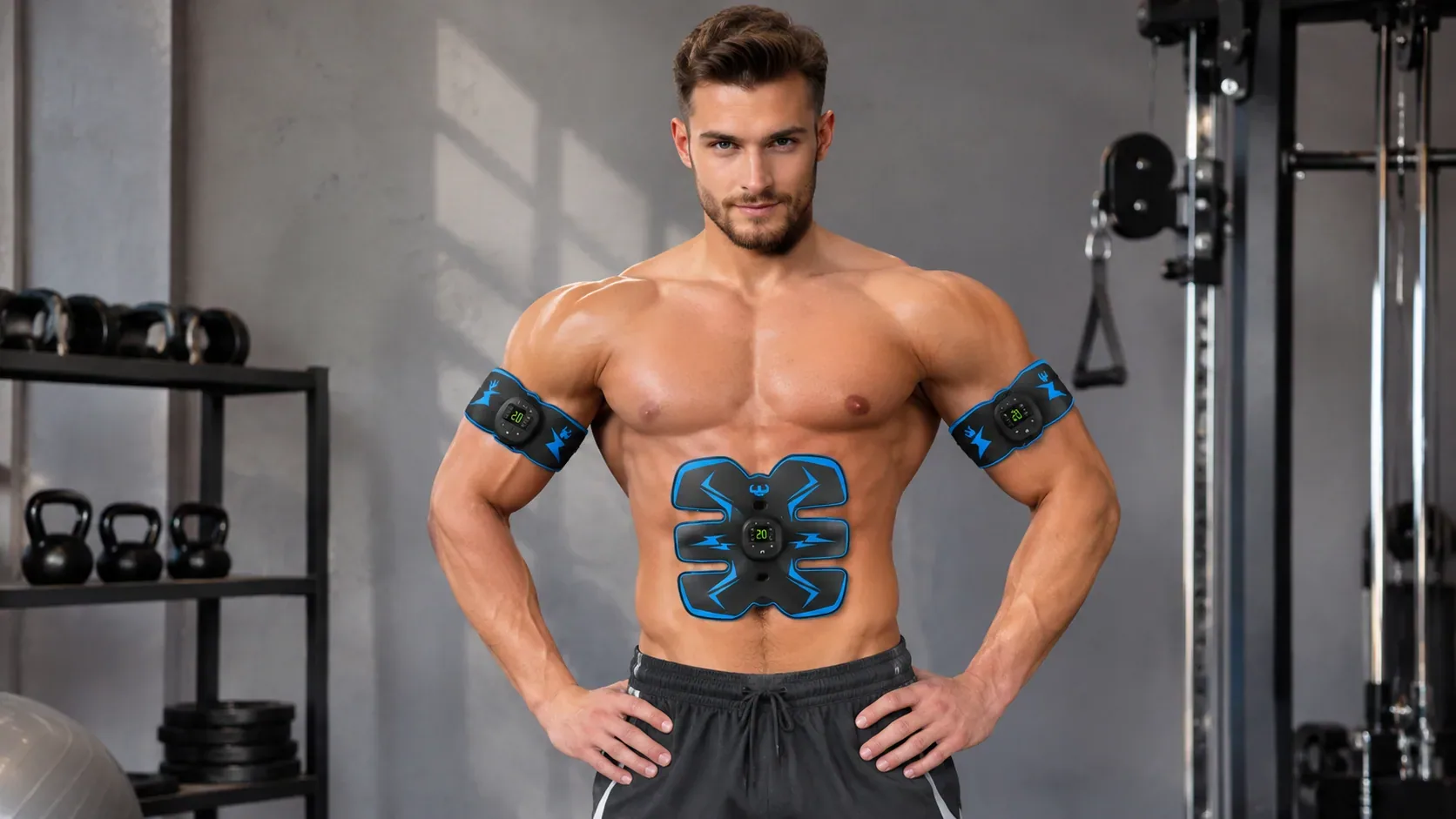
Electrical Muscle Stimulation Equipment is commonly used in physical rehabilitation, muscle training, and certain recovery programs. These devices send controlled electrical impulses through electrodes placed on the skin, causing targeted muscles to contract.
Depending on the device and its intended purpose, electrical stimulation may help support muscle activation, rehabilitation, or specific therapeutic goals.
If you're planning to purchase electrical stimulation equipment, understanding the differences between device types, adjustable settings, electrode designs, and safety features can help you make an informed decision.
What Is Electrical Muscle Stimulation Equipment and How Does It Work?
Electrical Muscle Stimulation Equipment uses electrical impulses to activate motor nerves, producing contractions in targeted muscles. The technology is commonly called EMS, while devices intended for neuromuscular stimulation may be described as NMES.
A typical EMS muscle stimulator includes a control unit, connecting wires or wireless components, and electrodes that contact the skin.
When activated, the device sends electrical pulses through the electrodes. Depending on the intensity, pulse duration, frequency, and electrode placement, the stimulation may produce visible muscle contractions.
Electrical stimulation is used in several settings:
- Physical rehabilitation: Clinicians may use stimulation to assist muscle activation following certain injuries or periods of reduced mobility.
- Muscle re-education: Some devices are intended to help activate muscles affected by specific neuromuscular conditions.
- Muscle conditioning: Certain products are marketed for supplemental muscle training, although their effectiveness depends on the device, intended use, and supporting evidence.
- Specialized clinical treatment: Healthcare professionals may use electrical stimulation as part of an individualized treatment plan.
EMS should not be viewed as a substitute for regular exercise, appropriate rehabilitation, or medical treatment.
Types of Electrical Muscle Stimulation Devices
Understanding the available equipment categories can help you identify which products are relevant to your intended use.
| Equipment type | Typical purpose | Features to evaluate |
|---|---|---|
| Portable EMS units | Personal use or prescribed home rehabilitation | Size, controls, electrode compatibility |
| Clinical NMES systems | Supervised rehabilitation and muscle activation | Adjustable stimulation parameters, treatment protocols |
| Wearable stimulation devices | Targeted muscle stimulation during specific activities | Fit, electrode positioning, battery performance |
| Multimode EMS/TENS devices | Muscle stimulation and separate pain-management functions | Distinct operating modes, instructions, intended uses |
| Multichannel EMS systems | Stimulation of multiple electrode placements | Independent channel controls, output specifications |
The term electrical stimulation covers several technologies. A TENS device primarily targets nerves for pain management, while EMS and NMES systems are designed to produce muscle contractions. Some products include both functions, but they should not be treated as interchangeable.
Key Features to Look for Before Buying
1. Adjustable stimulation settings
A suitable muscle stimulation device should provide controls appropriate for its intended use.
Depending on the model, these may include:
- Intensity adjustment
- Pulse frequency
- Pulse width or duration
- Treatment timer
- Contraction and relaxation intervals
- Preset stimulation programs
Adjustable settings can help accommodate different treatment requirements. However, higher intensity does not automatically produce better results, and incorrect settings may cause discomfort or injury.
2. Electrode quality and compatibility
EMS electrode pads transfer electrical impulses from the device to your skin. Their size, condition, placement, and compatibility can affect how stimulation is delivered.
When comparing electrodes, check their dimensions, connection type, replacement availability, and the manufacturer's instructions for reuse.
Pads should be compatible with the specific device. Worn or poorly attached electrodes may produce uneven or uncomfortable stimulation.
3. Number of output channels
A channel controls an electrical output pathway, generally connected to a pair of electrodes.
A single-channel device may be suitable for certain localized applications. A two-channel or multichannel system may allow stimulation at different electrode locations, depending on its design.
The number of channels alone does not establish treatment quality. Independent controls and appropriate output specifications matter as well.
4. Portability and power source
Portable units may use rechargeable batteries or replaceable batteries, while certain clinical systems use external power supplies.
If you plan to use a device at home, check its weight, display readability, charging requirements, battery replacement options, and storage needs.
5. Instructions and safety documentation
Before purchasing, verify that the manufacturer supplies clear instructions covering electrode placement, operating settings, contraindications, cleaning, and troubleshooting.
For devices sold in the United States, check the product's regulatory status and specific intended use. FDA clearance for one intended use does not establish effectiveness for every advertised purpose.
Comparing EMS Equipment for Different Needs
The right electrical muscle stimulation machine depends on your intended application, the type of stimulation required, and any guidance provided by a healthcare professional.
| Your primary need | Equipment characteristics to prioritize | Important consideration |
|---|---|---|
| Home rehabilitation | Clear controls, prescribed settings, compatible electrodes | Confirm suitability with your clinician |
| Clinical rehabilitation | Documented output parameters, multiple programs, service support | Match the device to treatment protocols |
| Supplemental muscle conditioning | Appropriate EMS programs, comfortable electrode placement | Do not expect exercise-equivalent results |
| Portable use | Compact design, dependable power source, carrying case | Review battery and replacement-part requirements |
| Multiple treatment locations | Multiple channels, flexible electrode arrangements | Check whether channels operate independently |
A device with numerous programs may seem attractive, but a simpler model with clearly documented controls could be suitable for your particular requirements.
EMS vs. TENS: Understanding the Difference
EMS and TENS both use electrical impulses delivered through the skin, but they serve different primary purposes.
| Feature | EMS/NMES | TENS |
|---|---|---|
| Primary purpose | Muscle contraction and activation | Pain management |
| Main physiological target | Motor nerves | Sensory nerves |
| Visible muscle contraction | Often intended | Generally not the primary goal |
| Common applications | Muscle re-education and rehabilitation | Temporary pain relief in appropriate circumstances |
| Clinical guidance | Recommended, especially for rehabilitation | Recommended when pain is unexplained or medical risks exist |
If your primary concern is muscle activation, an EMS or NMES device may be relevant. If you're researching electrical stimulation specifically for pain management, a TENS device may be the appropriate category to discuss with a healthcare professional.
Can Electrical Muscle Stimulation Support Muscle Recovery?
The term muscle recovery equipment includes products with very different mechanisms and levels of supporting evidence.
Electrical muscle stimulation can produce muscle contractions, but that does not automatically mean a device will accelerate recovery after exercise or prevent soreness.
Research findings depend on the population studied, stimulation parameters, treatment schedule, and outcome being measured. Results from clinical rehabilitation studies should not automatically be applied to healthy individuals seeking faster post-workout recovery.
If recovery is your main goal, review evidence related to the specific device and intended use rather than relying on general promotional statements.
What to Know About EMS for Home Use
An EMS device for home use may be convenient when a clinician has recommended electrical stimulation and provided suitable operating instructions.
Before using one, you should understand the device's intended purpose, recommended electrode placement, treatment duration, and operating limitations.
Electrical stimulation may be unsuitable for people with implanted electronic devices, including certain pacemakers and defibrillators. Additional precautions can apply during pregnancy, with certain heart conditions, or when stimulation would be placed over damaged skin or sensitive anatomical areas.
Do not place electrodes across the chest, over the front of the neck, or on the head unless the device is specifically intended for that placement and a qualified professional has directed its use.
Stop using the device if stimulation causes pain, skin irritation, dizziness, or other unexpected symptoms. Seek appropriate medical advice.
How Much Should You Spend on Electrical Stimulation Equipment?
Equipment costs can vary according to intended use, manufacturer, controls, channel configuration, and included accessories.
Rather than selecting a device based solely on its purchase price, assess the total cost of ownership.
| Cost factor | What to check |
|---|---|
| Initial purchase | Included control unit, electrodes, cables, and accessories |
| Replacement electrodes | Compatibility, replacement frequency, and ongoing cost |
| Power supply | Battery replacement or charging accessories |
| Warranty | Coverage period, exclusions, and claim procedures |
| Customer support | Availability of manuals, replacement parts, and technical assistance |
| Clinical requirements | Any professional assessment or training needed |
A lower-priced product may be suitable for basic applications, while specialized clinical equipment may require additional controls, documentation, and service support.
For a practical comparison, you can review FDA guidance on electronic muscle stimulators alongside the manufacturer's device instructions and current product details.
Common Questions About Electrical Muscle Stimulation Equipment
Does electrical muscle stimulation actually work?
Electrical stimulation can produce muscle contractions and has established applications in certain rehabilitation settings. Its effectiveness for a particular goal depends on the device, treatment protocol, and individual circumstances.
Can EMS replace regular exercise?
No. Electrical stimulation does not provide all the cardiovascular, coordination, mobility, and functional benefits associated with physical exercise.
Is EMS equipment safe for everyday use?
Safety depends on the device, your medical circumstances, electrode placement, and treatment schedule. Daily use is not automatically appropriate. Follow the device instructions and professional guidance when relevant.
Can EMS equipment help build muscle?
Some research has examined NMES for improving muscle strength or limiting muscle loss in specific populations. Results vary, and evidence from clinical settings does not establish that every consumer EMS device can build muscle effectively.
How long should an EMS session last?
There is no universal session duration. Treatment length depends on the intended use, stimulation settings, device instructions, and any prescribed rehabilitation protocol.
What is the difference between professional and personal EMS equipment?
Clinical equipment may include specialized controls, treatment programs, monitoring capabilities, and documentation intended for professional use. Personal devices often prioritize portability and straightforward operation. Features vary by manufacturer and model.
How to Decide Which Electrical Muscle Stimulation Equipment Fits Your Needs
Before choosing a device, identify what you want the stimulation to accomplish. A rehabilitation device intended for muscle re-education may have different requirements from a consumer product marketed for supplemental muscle conditioning.
Check that the equipment's documented intended use matches your goal. Review its controls, electrode compatibility, replacement-part costs, warranty, and safety instructions.
If you have an injury, medical condition, implanted electronic device, or ongoing rehabilitation needs, speak with a qualified healthcare professional before purchasing.
Choosing Electrical Muscle Stimulation Equipment based on documented functions, appropriate safety guidance, and realistic expectations can help you avoid paying for features that may not suit your intended use