
Humalog Cartridge Guide: Diabetes Insulin Control
Discover how Canadian Insulin's Humalog Cartridge delivers fast-acting insulin control for mealtime glucose management. Compare dosing options, pen compatibility, and pricing to find your ideal solution.
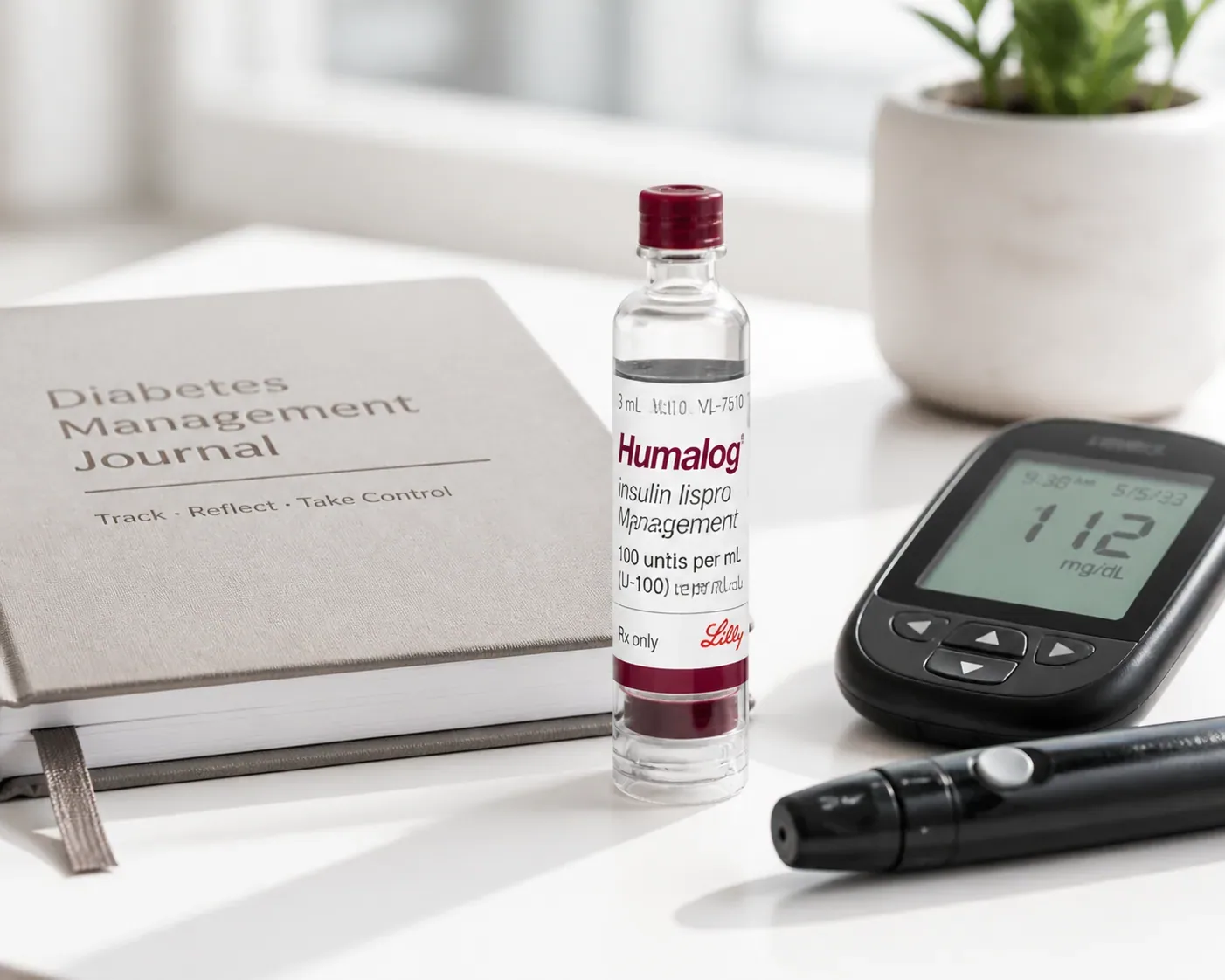
Rapid-Acting Insulin for Mealtime Control: A Canadian Guide to Humalog Cartridges
Over 2.9 million Canadians live with diabetes, and nearly half struggle with mealtime blood sugar spikes that demand quick, reliable intervention. These post-meal glucose surges can occur within minutes, making conventional insulin strategies insufficient for tight glycemic control. The stakes are real—unmanaged spikes contribute to long-term complications, while hypoglycemic swings create immediate danger and discomfort.
Canadian Insulin's Humalog Cartridge contains insulin lispro, a synthetic rapid-acting formula engineered to kick in within 15 minutes of injection, peaks around 1-2 hours, and clears within 2-4 hours—perfectly timed for meals. This pharmacokinetic profile represents a fundamental shift from older insulin approaches, offering predictability that transforms daily diabetes management. Explore Canadian Insulin's Humalog Cartridge options today to see if this rapid-acting solution matches your mealtime needs.
The cartridge format pairs with compatible insulin pens for portability, accuracy, and convenience that vial-and-syringe methods simply can't match. Whether you're managing type 1 diabetes requiring intensive basal-bolus therapy or type 2 diabetes where mealtime coverage becomes necessary, understanding how Humalog works—and whether it's right for you—requires examining the clinical evidence, practical logistics, and real-world considerations that determine success.
Understanding Insulin Lispro and Why Speed Matters for Mealtime Control
How insulin lispro differs from regular human insulin and longer-acting alternatives
Insulin lispro represents a significant departure from regular human insulin (NPH or soluble insulin). Regular insulin begins working in 30–60 minutes, peaks at 2–4 hours, and lasts up to 8 hours. This slower timeline creates a mismatch with meal absorption—blood glucose rises before the insulin has fully activated, causing the characteristic post-meal spike that damages blood vessel walls and accelerates complications over time.
Insulin lispro is a rapid-acting analog created through genetic engineering. By rearranging amino acids in the insulin molecule, pharmaceutical researchers accelerated the absorption rate without compromising the hormone's biological action. The result: onset within 15 minutes instead of half an hour, peak action timed to match carbohydrate digestion, and clearance before the next meal. This represents the fundamental advantage of modern rapid-acting formulations.
Longer-acting insulins (basal insulins like insulin glargine or detemir) provide background glucose suppression over 24 hours or longer. They handle fasting blood sugar and overnight control but cannot respond to meal-induced glucose surges. Most intensive insulin regimens combine a basal insulin with rapid-acting boluses—Humalog Cartridges serve the bolus component exclusively.
The pharmacokinetic profile: 15-minute onset, 1-2 hour peak, 2-4 hour duration explained
Pharmacokinetics describes how a drug moves through the body over time. For insulin lispro, this timeline is remarkably consistent across individuals, though individual variation exists based on injection site, blood flow, and tissue temperature.
Onset (0–15 minutes): After subcutaneous injection, insulin lispro begins entering the bloodstream almost immediately. Within 15 minutes, most people detect measurable serum insulin levels. This rapid absorption reflects the molecular structure's predisposition toward fast tissue penetration and hepatic clearance.
Peak (60–120 minutes): Insulin action reaches maximum intensity around 90 minutes post-injection. At peak, one unit of Humalog exerts its strongest glucose-lowering effect. This timing synchronizes well with peak carbohydrate absorption from a typical meal (roughly 45–90 minutes after eating), creating the therapeutic window where insulin supply meets glucose demand.
Duration (2–4 hours): By hour four, serum insulin levels drop substantially. The insulin has been metabolized primarily by the liver, and peripheral tissues have extracted most circulating hormone. This relatively short tail means insulin doesn't accumulate between meals, reducing hypoglycemia risk from stacking multiple doses close together.
Why rapid-acting insulin is essential for post-meal glucose spikes in type 1 and type 2 diabetes
Type 1 diabetes involves pancreatic beta cell destruction, eliminating endogenous insulin production entirely. Patients cannot mount any physiological response to rising glucose. Without exogenous rapid-acting insulin, a meal containing carbohydrates triggers unchecked hyperglycemia—sometimes exceeding 400 mg/dL. Rapid-acting insulin directly replaces the missing hormonal response, allowing glucose normalization within 2–3 hours post-meal.
Type 2 diabetes involves insulin resistance and progressive beta cell dysfunction. Early in type 2 disease, the pancreas still secretes insulin, but tissues don't respond efficiently. Dietary carbohydrates stimulate an insulin response, yet that response arrives slowly or proves insufficient. Adding rapid-acting insulin as a mealtime agent overcomes both resistance and delayed secretion, controlling post-meal glucose excursions that would otherwise drive A1C upward and accelerate vascular damage.
The glycemic consequences of untreated post-meal spikes extend beyond immediate blood sugar elevation. Sustained hyperglycemia activates oxidative stress pathways, promotes inflammatory marker elevation, and accelerates atherosclerosis. Rapid-acting insulin flattens these spikes, reducing 24-hour glucose variability and, consequently, complications.
The clinical evidence behind Humalog's effectiveness for prandial blood sugar management
Insulin lispro's development in the 1990s represented a watershed moment in diabetes therapeutics. Large randomized controlled trials demonstrated that rapid-acting insulin reduced post-prandial glucose excursions by 30–50% compared to regular insulin when used in identical basal-bolus regimens. Long-term follow-up studies showed modest but statistically significant A1C reductions and, crucially, fewer severe hypoglycemic episodes despite more intensive glycemic targets.
The Diabetes Control and Complications Trial (DCCT) established that tight glycemic control prevents microvascular complications. Subsequent studies confirmed that rapid-acting insulin enables tighter control with greater safety than older formulations. Meta-analyses consistently show insulin lispro improves post-meal glucose profiles across type 1 and type 2 populations, with effectiveness sustained over years of continuous use.
Real-world effectiveness depends on proper timing and dosing technique. When users inject 15 minutes before meals and accurately count carbohydrates, Humalog delivers predictable glucose control. When injection timing is haphazard or dosing mismatched to meal composition, effectiveness plummets. The clinical literature emphasizes that insulin lispro is a tool requiring user competence for optimal results.
Cartridge vs. Vial: Why Pen-Based Delivery Dominates Modern Diabetes Care
Precision dosing advantages of cartridge-based systems over traditional vials and syringes
Vials and syringes dominated insulin delivery for decades. A patient would draw 10 units from a vial into a syringe, inject, and repeat. While functional, this approach introduced several precision challenges. Drawing the exact dose required steady hands and good eyesight—both compromised during stress, illness, or darkness. Air bubbles could reduce actual dose delivered. Insulin coating the syringe barrel meant some prescribed units never entered subcutaneous tissue.
Pre-filled cartridges eliminate these variables. Each cartridge contains exactly 3 mL of insulin lispro (300 units at standard concentration). The user inserts the cartridge into a mechanical pen device that clicks through precise 0.5-unit or 1-unit increments. The dial mechanism ensures reproducible accuracy—selecting 12 units delivers 12 units consistently, independent of user eyesight or hand tremor. This standardization particularly benefits older adults, visually impaired users, and anyone with manual dexterity challenges.
Cartridge systems also reduce dead space waste. Syringes retain several units of insulin in the needle hub and barrel after injection—insulin the patient paid for but never received. Modern pen cartridges minimize this loss, meaning more insulin reaches the bloodstream from each prescription.
Portability and discretion: carrying insulin pens vs. managing vials in daily life
A vial is a fragile glass container requiring refrigeration until opened, then remaining stable for roughly 28 days at room temperature. Carrying a vial in a purse or backpack invites breakage. At work or school, storing a vial in a regular refrigerator exposes it to bacterial contamination and temperature fluctuations. Social situations—restaurants, parties, travel—become logistically complex when insulin management requires locating coolers and explaining medical equipment to companions.
Insulin pens are pocket-sized, discrete, and robust. A typical Humalog pen measures roughly 5 inches long and 1 inch in diameter—comparable to a writing pen, hence the name. Users carry pens in purses, backpacks, or jacket pockets without drawing attention. A quick trip to a restroom or quiet corner permits injection without elaborate explanation. Pens require less strict refrigeration than vials (many remain stable at room temperature for 28 days), and the protective cap shields the needle and cartridge from damage.
This discretion transforms diabetes management from a public health task into a private medical routine. Adolescents particularly benefit from injecting without classroom disruption or peer curiosity. Working adults can discreetly treat meals during business lunches. The psychological impact of this simplification shouldn't be underestimated—reduced embarrassment correlates with improved adherence.
Accuracy benefits: pre-filled cartridges eliminate measurement errors and guesswork
Pre-filled cartridges arrive sterile, accurately dosed, and pre-concentrated at standard insulin strength (100 units/mL). The pharmaceutical manufacturer has quality-controlled every cartridge, ensuring consistency from batch to batch. Users receive precisely what's labeled without variation.
Syringes, by contrast, introduce human error at the measurement step. A patient drawing insulin might misread unit markings, particularly if syringes aren't held perpendicular to the eye. Drawing slightly more or less than intended happens frequently—studies show 15–25% of syringe-based injections deviate from prescribed doses. Over a day involving 4–6 injections, these small errors accumulate into significantly altered insulin exposure.
Cartridge pens encode precision into mechanical design. Once you dial 12 units, the device physically stops at 12 units. No ambiguity, no misinterpretation, no accidental over- or under-dosing. This mechanical certainty becomes essential for safety and glycemic control consistency.
Convenience factor: quick injections during work, travel, and social situations
Drawing insulin from a vial requires finding a clean surface, assembling syringe components, extracting the needle cap, drawing the dose, and then injecting. The entire process consumes 2–3 minutes and demands attention and sanitation. Repeated daily, this becomes burdensome.
Pen injection requires removing the pen cap, dialing the dose, inserting a fresh needle (if using reusable pens), and injecting. The process takes 30–45 seconds. For working professionals managing lunch at a desk or traveling through airports, this speed differential proves enormous. Quick, simple injection increases the probability of adherence—when treatment feels seamless, patients rarely skip doses.
Compatible Insulin Pens and Injection Device Selection
Overview of insulin pen devices designed for Humalog Cartridges
Humalog Cartridges are designed to fit standard insulin pen devices that accept Lilly insulin products. The most common compatible pens include the KwikPen (a disposable prefilled pen available with Humalog pre-loaded), the Humalog Pen (a reusable device), and various third-party pens manufactured by companies like Ypsomed and Novo Nordisk (certain models) that accept standard 3 mL Lilly cartridges.
The KwikPen is perhaps the simplest option—a pen arrives pre-loaded with 300 units of Humalog, and once depleted, you discard the entire device. No cartridge insertion, no device assembly. Users simply remove the cap, dial their dose, and inject. For someone newly diagnosed or uncomfortable with mechanical devices, the KwikPen eliminates potential confusion.
Reusable pens like the Humalog Pen offer cost savings over time. You purchase the pen device once, then insert new Humalog Cartridges as previous ones deplete. This approach requires users to handle cartridge insertion and ensure the device is functioning properly between refills.
How to verify your pen is compatible before purchasing cartridges
Before ordering Humalog Cartridges, confirm your pen's compatibility. Cartridge incompatibility is frustrating and wasteful—you'll receive cartridges your pen cannot physically accept.
Check your pen's documentation or manufacturer website. The pen should explicitly state which insulin cartridges it accepts. Humalog Cartridges work with pens designed for Lilly rapid-acting insulin products. If your pen was prescribed with a different insulin brand (Novolog with NovoLog pens, for example), it likely won't accept Humalog cartridges.
Consult your endocrinologist or pharmacist if uncertainty remains. They have access to compatibility databases and can clarify whether a specific pen accepts Humalog. Many pharmacies stock multiple pens and can ensure you receive a device compatible with Humalog before dispensing cartridges.
Reusable vs. disposable pen options and their practical differences
Disposable pens (like the KwikPen) come pre-loaded with 300 units. Once depleted, you discard the pen and receive a new one. Advantages include simplicity (no cartridge manipulation) and guaranteed compatibility (the pen and insulin are packaged together). Disadvantages include higher cost per unit of insulin and environmental waste from discarding plastic devices.
Reusable pens involve purchasing a durable pen device once, then inserting new Humalog Cartridges (3 mL, 300 units each) as previous cartridges deplete. Advantages include lower long-term costs (cartridges are less expensive than complete disposable pens) and reduced waste. Disadvantages include the need for basic mechanical assembly and potential device malfunction requiring replacement.
For most patients, reusable pens offer better value over years of therapy. However, if dexterity challenges or needle anxiety make device handling difficult, disposable pens reduce complexity and may improve adherence despite higher cost.
Features to compare: dial precision, memory functions, and ease of use
Modern insulin pens vary in sophistication. Basic models feature a simple dial and click mechanism—turn the dial to select your dose, press the plunger, inject. No memory, no calculations, no electronics.
Advanced pens include memory functions that recall your last dose, time since last injection, and suggested corrections. Some pens integrate with smartphone apps via Bluetooth, transmitting injection data to diabetes management platforms. These features appeal to tech-savvy users and can improve adherence by providing decision support and reminders.
Consider your preferences: Do you want simplicity, or do you value data tracking and reminders? Do you have good manual dexterity, or would you prefer a pen with larger dials and easier mechanics? Try demonstrating a few pen models at your pharmacy before committing to one device. The best pen is the one you'll actually use consistently.
Pricing Breakdown: What Canadian Insulin Humalog Cartridges Actually Cost in 2026
Price range variations based on cartridge quantity and packaging sizes
Humalog Cartridge pricing varies substantially depending on order quantity. A single cartridge (3 mL, 300 units) typically costs between $30–$50 CAD depending on your supplier and region. Five-pack orders (15 cartridges) might range from $130–$200 total, or roughly $26–$40 per cartridge when purchased in bulk. Ten-pack and larger orders offer further per-unit discounts, potentially dropping prices to $20–$30 per cartridge.
The pricing logic reflects supply chain economics. Larger orders spread processing and shipping costs across more units, lowering per-unit overhead. Suppliers also offer volume discounts as an incentive to encourage larger purchases.
For a patient using 1 cartridge every 5–7 days (average consumption), annual needs approximate 50–70 cartridges yearly. Purchasing several cartridges quarterly in bulk typically proves more economical than ordering singles or pairs as supplies deplete.
Single-cartridge pricing vs. bulk multi-pack discounts and savings potential
Single cartridge: $40–50 CAD × 60 cartridges/year = $2,400–3,000 annually (worst-case without bulk discounts)
5-pack order: $130–150 total × 12 orders/year = $1,560–1,800 annually (roughly 30–40% savings vs. singles)
10-pack order: $250–300 total × 6 orders/year = $1,500–1,800 annually (similar savings to 5-packs with less frequent reordering)
Purchasing 10-packs monthly rather than singles represents potential annual savings of $600–1,200 for the typical user. These savings accumulate significantly over years of therapy.
However, bulk purchasing presents storage challenges. Unopened cartridges require refrigeration (2–8°C) and remain stable for roughly 3 years. Ordering more cartridges than you can reasonably use within 12–18 months risks expiration before use. Balance cost savings against realistic storage capacity and consumption rates.
Insurance coverage and prescription subsidy programs available to Canadian patients
Most Canadian provincial insurance plans cover Humalog Cartridges as a prescribed diabetes medication, though formulary placement and coverage levels vary by province and individual plan.
Alberta, British Columbia, and Ontario typically cover rapid-acting insulin at 70–100% of formulary cost for patients with type 1 diabetes and certain type 2 scenarios. Some provinces require prior authorization—your physician submits documentation justifying rapid-acting insulin necessity, and the insurance plan approves or denies coverage based on clinical criteria. This process typically takes 1–2 weeks.
Private insurance plans vary widely. Group plans through employers often cover insulin at 70–85% after deductibles. Individual insurance plans may have higher deductibles or lower coverage percentages. Review your plan's formulary before purchasing cartridges out-of-pocket.
Patient assistance programs offered directly by Eli Lilly (Humalog's manufacturer) provide cartridges at reduced or no cost to eligible uninsured or underinsured Canadians. Contact Lilly's Canadian patient assistance line or visit their website to determine eligibility based on income and insurance status.
Comparison shopping: evaluating different Canadian insulin supply retailers
Several Canadian online suppliers distribute Humalog Cartridges, including large pharmacy chains with online services, specialized diabetes supply retailers, and smaller regional pharmacies. Comparing prices across retailers reveals cost variations of 10–25%, making shopping worthwhile.
Major pharmacy chains (Shoppers Drug Mart, Rexall, Pharmacy Online) typically match or beat independent retailers but may impose higher minimum order quantities or shipping fees. Specialized diabetes supply retailers often feature competitive pricing and expert customer service but may have longer delivery times from out-of-province locations.
Verify credentials before ordering. Legitimate Canadian suppliers display pharmacy licensing information, maintain HIPAA or equivalent privacy compliance, require valid prescriptions, and ship from Canada or licensed US facilities. Avoid overseas suppliers offering suspiciously low prices or requiring no prescription—counterfeited insulin circulates on black markets and poses serious safety risks.
Mastering Mealtime Timing and Injection Technique
Optimal injection-to-meal intervals for maximum glucose control
Insulin lispro's 15-minute onset means optimal timing involves injecting 15 minutes before consuming carbohydrates. This interval allows the insulin to reach peak action precisely when meal glucose absorption peaks, creating the best glycemic match.
In practice, inject approximately 15 minutes before eating. If you're prone to meal delays (dinner gets pushed back 20 minutes), inject slightly closer to meal time—perhaps 10 minutes before—to avoid insulin peaking before carbohydrates arrive (which risks hypoglycemia). Conversely, if a large, high-fat meal digests slowly over 3+ hours, injecting slightly earlier (20 minutes before) extends insulin action to cover the prolonged glucose rise.
Meal composition modifies timing. A breakfast of oatmeal and fruit (mostly carbohydrates, minimal fat) reaches peak glucose absorption around 60–90 minutes. Injecting 15 minutes before this meal synchronizes insulin and glucose peaks. A dinner with chicken, vegetables, and salad with oil (high fat, moderate carbohydrates) delays glucose absorption to 2–3 hours post-meal. Injecting 15–20 minutes before accommodates this slower profile.
Blood glucose patterns from continuous glucose monitors (CGMs) reveal your personal optimal timing. If CGM data shows consistent post-meal peaks despite injections, adjust timing by ±5 minutes until peaks minimize. Individual variation in absorption rates means universal timing recommendations are approximations—personalization through data review optimizes control.
How to coordinate Humalog timing with different meal compositions
High-carbohydrate, low-fat meals (rice, bread, fruit): Peak glucose ~60–90 minutes. Inject 15 minutes before eating.
Moderate-carbohydrate, moderate-fat meals (pasta with sauce, sandwich, typical restaurant meals): Peak glucose ~90–120 minutes. Inject 10–15 minutes before eating.
High-fat, moderate-carbohydrate meals (pizza, fried foods, fatty meats): Peak glucose ~120–180 minutes. Inject 15–20 minutes before eating, or consider split-dosing (inject part before eating, part 30–45 minutes later) if meal size is large.
Low-carbohydrate meals (salad, grilled protein, non-starchy vegetables): Minimal glucose impact. Inject only if carbohydrate content warrants it (usually ≤10 grams requires no Humalog).
Carbohydrate counting forms the foundation of accurate dosing. Learn to estimate meal carbohydrates using food labels, portion sizes, and carbohydrate databases. Most users follow an insulin-to-carb ratio (e.g., 1 unit per 10 grams of carbohydrate) determined during diabetes education or through trial-and-error using CGM feedback.
Injection site rotation best practices to prevent lipohypertrophy
Lipohypertrophy—localized fat tissue growth at injection sites—occurs when insulin is repeatedly injected into the same area. The insulin growth factor in insulin stimulates adipocyte proliferation, creating lumps or thickened patches. These hypertrophic areas absorb insulin unpredictably, potentially creating variable glucose responses from identical doses.
Rotate injection sites systematically. Use your abdomen (avoiding the area 2 inches around the navel), thighs, upper arms, and buttocks. Within each body region, select specific spots and rotate between them daily. An abdomen might be divided into quadrants; use the upper right quadrant for several days, then switch to upper left, lower right, and lower left. This systematic approach ensures thorough rotation without repeating sites too frequently.
Inspect injection sites monthly for lumps or thickening. If lipohypertrophy develops, temporarily avoid that area for 4–8 weeks, allowing the hypertrophied tissue to regress. During recovery, use alternate sites exclusively. Most lipohypertrophy resolves within weeks of site rotation, restoring normal insulin absorption.
Pre-injection checks: assessing cartridge clarity, expiration dates, and storage conditions
Before each injection, verify cartridge integrity. Remove the cartridge from storage and visually inspect it against a light background. Humalog should appear clear and colorless. Cloudiness, discoloration, white particles, or precipitation indicate contamination or degradation—discard the cartridge and use a fresh one.
Check the expiration date printed on the cartridge label. Using expired insulin risks reduced potency and unpredictable glucose control. Never inject expired insulin, even if appearance seems normal.
Confirm proper storage. Unopened cartridges should be refrigerated between 2–8°C (36–46°F). Once inserted into a pen and in-use, cartridges remain stable at room temperature (up to 30°C) for 28 days. If a cartridge has been at room temperature for longer than 28 days, discard it. If unsure about storage history, err on the side of caution and use a new cartridge.
Examine the injection device (pen) for mechanical issues before use. The dial should click smoothly, and the plunger should move freely. A sticky dial or stiff plunger suggests mechanical failure; contact the manufacturer for replacement before using the defective pen, as it may not deliver accurate doses.
Hypoglycemia Risk, Prevention, and Emergency Response
Why rapid-acting insulin increases hypoglycemia risk compared to longer-acting formulations
Hypoglycemia (blood glucose <3.9 mmol/L or 70 mg/dL) remains the most feared acute complication of insulin therapy. Rapid-acting insulin increases hypoglycemia risk relative to longer-acting formulations because its potency is concentrated in a narrow time window (peak at 60–120 minutes). If a meal is delayed, smaller than expected, or missed entirely, circulating insulin has no corresponding glucose to buffer against, and blood sugar plummets.
Regular human insulin poses lower acute hypoglycemia risk because its slower onset and gradual peak allow longer windows for carbohydrate consumption before significant glucose-lowering effect. By the time regular insulin reaches meaningful potency, meals have usually begun raising blood glucose naturally.
Longer-acting basal insulins distribute their glucose-lowering effect over 24+ hours, minimizing any single peak. Skipping a meal affects basal insulin minimally because its action is spread broadly across the day.
Humalog's intensity in a narrow window creates higher hypoglycemia risk if dosing errors occur, meals are delayed, or unexpected exercise increases glucose utilization. This risk is manageable through proper technique and awareness but requires vigilance.
Recognizing early warning signs: trembling, sweating, confusion, and rapid heartbeat
Hypoglycemia triggers a cascade of symptoms resulting from adrenaline release and neuroglycopenia (insufficient glucose reaching the brain). Early-stage hypoglycemia symptoms include trembling or shakiness, sweating (often cold and clammy), palpitations, rapid heartbeat, anxiety, and irritability. Most people experience these warning signs when blood glucose drops to 55–70 mg/dL, allowing time for intervention before severe symptoms develop.
Later-stage hypoglycemia symptoms involve impaired cognition: difficulty concentrating, confusion, slurred speech, behavioral changes, blurred vision, and headache. At this stage (glucose <50 mg/dL), the person may struggle to treat themselves effectively and requires assistance from companions.
Severe hypoglycemia can progress to seizures, loss of consciousness, or brain damage if blood glucose remains critically low for extended periods. Hypoglycemia-associated autonomic failure (HAAF) is a complication in long-duration diabetes where recurrent hypoglycemia blunts awareness of future episodes, creating a dangerous cycle where hypoglycemia goes unnoticed until severe.
Learn to recognize your personal hypoglycemia symptoms—they vary from person to person. Some people experience trembling prominently, others sweat profusely, and others primarily feel anxiety or confusion. Once you identify your early warning signs, you can respond quickly by consuming rapid carbohydrates.
Carbohydrate counting strategies to prevent over-correction and insulin stacking
When hypoglycemia occurs, rapid carbohydrate consumption raises blood glucose quickly. The traditional recommendation is "15 grams of fast-acting carbohydrate"—roughly equivalent to 4 glucose tablets, 4 oz juice, or 1 tablespoon honey. After 15 minutes, recheck blood glucose. If still low, repeat with another 15 grams.
Over-correction—consuming excessive carbohydrates to treat a mild hypoglycemia (say, 45 grams when 15 would suffice)—creates the opposite problem: high blood glucose 60–90 minutes later, followed by the temptation to inject more Humalog to correct the high. This pattern of over-treatment and over-correction perpetuates glucose swings throughout the day.
Insulin stacking refers to a second insulin dose administered before the prior dose has fully activated. If you inject 10 units of Humalog before lunch, and then inject another 10 units two hours later (thinking the first dose didn't work), you've created 20 units of active insulin competing for one meal's glucose—severe hypoglycemia often results. Wait at least 3–4 hours between Humalog doses to allow prior insulin to clear before assessing whether additional dosing is necessary.
Use CGM data to refine carbohydrate counting. If hypoglycemia occurs regularly despite appropriate dosing, you may be miscounting carbs (either eating more than estimated or miscalculating meal composition). Work with a diabetes educator to audit your counting technique and identify systematic errors.
Continuous glucose monitoring integration for real-time hypoglycemia alerts
Continuous glucose monitors (Freestyle Libre, Dexcom, Medtronic Guardian) measure interstitial glucose every 5 or 15 minutes, providing real-time glucose trends and predictive alerts. Modern CGMs alert users when glucose is dropping rapidly or approaching hypoglycemia thresholds (typically set at 70 mg/dL or 3.9 mmol/L).
These alerts prove invaluable for Humalog users because they provide early warning before severe hypoglycemia develops. A dropping glucose trend alerts you to consume carbohydrates preemptively, preventing the trembling and confusion of symptomatic hypoglycemia. Some CGMs integrate with insulin pumps, automatically reducing basal insulin infusion if glucose trends downward (automated insulin suspension), though cartridge-based pens don't currently have this automation.
For people using Humalog Cartridges, CGM data helps optimize injection timing and dosing. If CGM graphs reveal consistent hypoglycemia 2–3 hours post-injection, you're likely injecting too much insulin or too early before meals. Reviewing multiple days of CGM data with your endocrinologist enables precise dose and timing adjustments.
Storage, Handling, and Shelf Life Considerations
Unopened cartridge storage: refrigeration requirements and temperature ranges
Unopened Humalog Cartridges must be stored between 2–8°C (36–46°F) to maintain potency. Refrigerator storage is standard. The typical household refrigerator maintains this temperature range and protects cartridges from light exposure (which degrades insulin over time).
Store unopened cartridges in the original packaging on a refrigerator shelf, not in the door. Door storage experiences temperature fluctuations each time the refrigerator opens, potentially reducing insulin stability. Keep cartridges away from the freezer compartment; freezing damages the insulin molecule irreversibly.
Unopened Humalog Cartridges remain stable until the expiration date printed on the package, typically 3 years from manufacture. Before the expiration date, unopened cartridges maintain full potency if stored correctly. After expiration, insulin potency declines and effectiveness becomes unpredictable.
If you're traveling or without refrigerator access short-term, unopened cartridges can tolerate room temperature (up to 30°C) for brief periods without significant potency loss. However, don't routinely store unopened cartridges at room temperature—stick to refrigeration for the long term.
Once-in-use cartridge lifespan and when to discard partially used cartridges
Once inserted into a pen and in-use (first needle insertion), cartridges can remain at room temperature (≤30°C) for up to 28 days. Do not refrigerate in-use cartridges; cold can damage the needle mechanism and make injections difficult.
Track the date a cartridge was first used. Most pens include a label on which you write the start date. After 28 days of room temperature storage, discard the cartridge even if insulin remains, as potency degradation becomes significant beyond this window.
If a cartridge appears cloudy, discolored, contains particles, or smells unusual after being in-use, discard it immediately regardless of the date. These signs indicate contamination or insulin degradation.
Partially used cartridges should not be refrigerated after initial use. If you've used a cartridge at room temperature and then moved it to refrigeration (perhaps during travel), don't return it to room temperature afterward—the freeze-thaw cycle can damage insulin. Once you transition a cartridge between temperatures, be consistent: either keep it room temperature for the full 28-day in-use period, or return it to refrigeration and commit to refriing it until expiration (unusual practice).
Traveling with Humalog Cartridges: TSA regulations, cooling packs, and international guidelines
Traveling with insulin requires planning. Humalog Cartridges are permitted through airport security and on aircraft; TSA considers insulin a medical exception to liquid restrictions. When passing through security, declare insulin explicitly to TSA officers. Place cartridges in a clear plastic bag separate from other medications to facilitate inspection if needed.
For flights lasting <4 hours, unopened refrigerated cartridges tolerate room temperature without significant potency loss. Pack them in carry-on luggage rather than checked baggage (which experiences temperature extremes during altitude changes). Most travelers simply keep cartridges at room temperature during short flights and refrigerate upon arrival.
For longer flights or travel to hot climates, use insulated cooling packs designed for insulin. These passive cooling packs maintain 2–8°C for 24–48 hours without electricity. Place unopened cartridges in the cooling pack, pack the cooling pack in carry-on luggage, and maintain the insulin within safe temperature ranges throughout travel.
International travel introduces additional complexity. Different countries regulate insulin differently. Most developed nations recognize insulin as a standard medication, but regulations for Humalog vary. Research your destination's insulin regulations before traveling; your endocrinologist or pharmacy can help navigate country-specific requirements.
Bring copies of your prescription and a letter from your physician documenting your diabetes diagnosis and insulin prescription. Customs officers in some countries scrutinize insulin supplies; medical documentation facilitates expedited clearance.
Signs of compromised insulin: cloudiness, discoloration, or visible particles
Humalog should be clear and colorless, similar to