Maintain Your Body Wave Wig: Expert Care Guide
Learn expert styling and maintenance tips for your ISEE Hair Body Wave Wig. Discover how to preserve waves, prevent frizz, and keep your wig looking salon-fresh for months. Complete care guide inside.
Understanding Your ISEE Hair Body Wave Wig's Texture and Construction
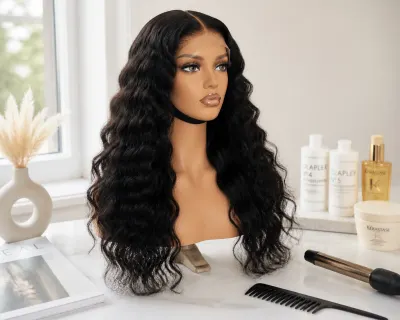
If you've just purchased an ISEE Hair Body Wave Wig, you're holding one of the most versatile pieces in the wig world. But before you jump into a maintenance routine, understanding what you're actually working with makes all the difference. Body waves sit in that sweet spot between loose waves and tight curls—they're voluminous without being overly textured, which is exactly why so many people gravitate toward this style. The waves catch light beautifully and create movement that feels both natural and intentional.
The construction of your wig directly impacts how you'll maintain it. Most ISEE Hair body wave wigs feature a 13x4 or 13x6 lace front, which means you're getting a realistic hairline that blends seamlessly with your natural hairline or forehead. This lace construction requires specific care because it's delicate, but it also opens up incredible styling possibilities. You can wear your hair off your face without it looking obvious that you're wearing a wig—that's the power of quality lace work.
Density and Its Role in Wave Retention
The 180% density you'll find on most ISEE Hair body wave wigs strikes a balance between fullness and wearability. This density level provides that voluminous, salon-finished look without feeling heavy on your head or looking artificially thick. Here's what matters for maintenance: higher density means more hair strands holding the wave pattern, which actually works in your favor. When you have adequate density, the waves support each other and resist flattening faster than lower-density options would.
Human Hair Versus Synthetic: What This Means for Care
ISEE Hair body wave wigs are typically made from human hair, which behaves completely differently than synthetic alternatives. Human hair responds to moisture, heat, and styling products the way your natural hair does. This is both a blessing and a responsibility. The blessing? You can restyle, straighten, curl, and treat your wig almost like you would your own hair. The responsibility? It requires genuine maintenance to keep it looking its best. Synthetic wigs are more low-maintenance but offer less versatility and can't withstand heat styling at all.
Pre-Plucked Hairlines and Baby Hairs: Styling Freedom
The pre-plucked hairline and baby hairs on your ISEE Hair wig aren't just aesthetic touches—they're maintenance considerations. Baby hairs frame your face and create that "I just left the salon" finish, but they're fragile. During washing and styling, you'll need to be extra gentle around the hairline to preserve these delicate strands. Pre-plucked hairlines reduce your installation time, but they also mean the lace is already thinned out, requiring careful handling during the washing process.
Glueless Versus Pre-Bleached: Understanding Your Options
Whether your wig is glueless or pre-bleached affects your maintenance approach. Glueless wigs offer flexibility—you're not committed to a permanent adhesive bond, which means you can take your wig off and wash it more frequently without worrying about adhesive buildup. Pre-bleached lace fronts have already been lightened to match various skin tones, saving you that step, but the bleaching process does make the lace more delicate. Both options require thoughtful care, just in slightly different ways.
The Complete Washing Routine That Preserves Wave Pattern
Washing your ISEE Hair Body Wave Wig seems straightforward, but the technique matters enormously. Most people who lose their wave pattern do so because they're washing too roughly or using water that's too hot. Think of your wig like a delicate fabric that needs respect—because it is. The goal is to cleanse without disrupting the carefully crafted wave structure.
Preparation: Setting Yourself Up for Success
Before water ever touches your wig, prepare it properly. Start by gently detangling using a wide-tooth comb or your fingers, working from the ends upward. This prevents matting during the wash and makes the entire process smoother. If your wig has significant tangles, use a detangling spray to make the process gentler. Work in small sections rather than attacking the entire wig at once. This methodical approach takes an extra five minutes but prevents damage that could take weeks to repair.
Water Temperature: Why It's Critical
The temperature of your water matters more than you'd think. Lukewarm water is your sweet spot—not hot, not cold. Hot water can actually relax the wave pattern and cause the hair to become frizzy and unmanageable. It also opens the hair cuticles more than necessary, which leads to moisture loss over time. Lukewarm water cleanses effectively while keeping the cuticles relatively closed, which helps the waves stay defined and the hair maintain its moisture balance.
Shampoo Application: The Gentle Method
Fill a basin with lukewarm water and add a gentle, sulfate-free shampoo formulated for wavy or textured hair. Don't pour shampoo directly onto your wig—that creates concentrated areas that are harder to rinse out. Instead, dilute your shampoo in the water first, creating a gentle wash basin. Submerge your wig and gently work the soapy water through the hair using your fingers, not your nails. Massage the lace and roots gently; avoid rubbing or twisting motions that can disturb the wave pattern.
Conditioning: Hydration Without Heaviness
After rinsing out the shampoo thoroughly, apply conditioner to the mid-lengths and ends of your hair. The conditioner step is where you restore moisture that washing removes. Work the conditioner through slowly, letting it sit for a few minutes if you can. This isn't the time to skimp—conditioning is what keeps waves looking glossy and prevents the stiff, dry texture that makes waves disappear. However, avoid applying conditioner directly to the roots or lace area, as this can create buildup and make the lace heavy and unworkable.
Rinsing: The Often-Overlooked Critical Step
Rinse your wig thoroughly with cool water until the water runs completely clear. Any residue left behind will show up as buildup, dullness, and frizz. Take your time here. Some people make the mistake of rushing through the rinse because they think they're almost done—but incomplete rinsing undoes all the good work of proper washing. Cool water at the end also helps close the hair cuticles, which seals in moisture and enhances shine.
Drying: Preserving Wave Definition
How you dry your wig matters as much as how you wash it. Air-drying is the safest option—place your wig on a wig stand and let it dry naturally. This preserves wave definition and requires zero heat damage risk. If you need faster drying, a blow-dryer on a low heat setting works, but keep the dryer moving constantly to avoid concentrating heat in one area. Some people use a diffuser attachment to gently dry their waves without disrupting them. Never rub your wet wig with a towel; instead, gently squeeze excess water or use a microfiber towel to blot.
Washing Frequency: Finding Your Sweet Spot
How often you wash depends on your lifestyle and how much product you use. If you wear your wig daily and style it heavily, washing every 7-10 days works well. If you're an occasional wearer or you keep styling light, every 2-3 weeks is fine. Over-washing strips natural oils and causes dryness, while under-washing leads to buildup that flattens waves. Pay attention to how your wig looks and feels—it will tell you when it needs washing.
Product Selection: What Actually Works for Body Wave Maintenance
Not all hair products are created equal, and some can actually damage your ISEE Hair wig permanently. Understanding which products support wave longevity versus which ones create problems is fundamental to successful maintenance.
Shampoos and Conditioners: The Foundation
Invest in a sulfate-free shampoo and conditioner specifically formulated for textured or wavy hair. These products are gentler than standard shampoos and designed to maintain wave patterns rather than fight against them. Look for ingredients like hydrolyzed keratin, argan oil, or coconut oil—these nourish and protect. Avoid clarifying shampoos for regular washing; these strip hair and are better saved for monthly deep cleaning if buildup occurs.
Leave-In Conditioners and Serums
Leave-in conditioners are game-changers for wave maintenance. They provide ongoing hydration between washes and prevent dryness that kills wave definition. Apply leave-in conditioner to damp hair after washing, focusing on mid-lengths and ends. Serums with natural oils enhance shine and add a protective layer against environmental damage. However, serums are concentrated—a little goes a long way, and using too much creates a greasy appearance.
Anti-Frizz Solutions That Won't Weigh Down
Frizz is the enemy of wave definition, but many anti-frizz products create buildup that makes waves disappear. Look for lightweight anti-frizz serums or sprays rather than heavy creams. Products containing silicone can work, but they build up over time, so use sparingly. Alternatively, argan oil or jojoba oil provide natural anti-frizz benefits without the synthetic buildup concerns.
Wave-Enhancing Products for Between-Wash Refreshes
Wave-defining creams and lightweight gels let you refresh your waves between washes. These products reactivate the wave pattern when it starts looking tired. Apply to slightly damp hair and let air-dry for best results. Avoid heavy gels that create a stiff, crunchy texture—you want waves that look soft and natural, not product-laden.
Products to Avoid at All Costs
Stay away from products containing alcohol high on the ingredient list—these dry out hair aggressively. Heavy silicone-based products create buildup that's hard to remove without clarifying. Petroleum-based products trap moisture and can darken blonde wigs over time. Products labeled "volumizing" often contain ingredients that actually frizz textured hair. When in doubt, read ingredient lists and research before applying anything new to your wig.
Budget-Friendly Alternatives
Premium doesn't always mean better. Many drugstore products work beautifully for wave maintenance. Generic sulfate-free shampoos and conditioners perform similarly to expensive salon brands. Coconut oil, argan oil, and jojoba oil from the grocery store or health food store cost pennies compared to specialized hair serums but deliver real results. The key is choosing products based on ingredients and formulation, not just price or brand name.
Explore ISEE Hair Body Wave Wigs and start your maintenance journey today.
Styling Techniques That Won't Compromise Your Waves
Your ISEE Hair Body Wave Wig arrives ready to wear, but styling options extend far beyond wearing it straight from the box. The key is using techniques that work with your waves rather than against them.
Straight From the Box: The Effortless Look
One of the biggest advantages of your ISEE Hair wig is that it looks phenomenal right out of the package. The waves are pre-set and styled, giving you an instant salon finish. Simply place it on your head, adjust the fit, and you're done. This is perfect for days when you want to look polished without effort. The waves will eventually flatten slightly with wear, but they'll bounce back to near-original definition after you wash and restyle.
Refreshing Waves Between Washes
Your waves don't have to look perfect every single wear. A water-based refresh spray brings life back to tired waves without requiring a full wash. Lightly mist your wig with water or a wave-refreshing spray, then gently finger-comb through the waves and let air-dry. This technique works surprisingly well for extending time between washes and maintaining wave definition. It takes about 10 minutes and makes a noticeable difference.
Curling for Tighter Waves
If you want tighter, more defined curls than the original body wave pattern, curling your wig is possible. Use a curling iron on low to medium heat—never exceed 350 degrees Fahrenheit with human hair wigs. Curl small sections, holding the iron for just a few seconds. Allow the hair to cool before releasing for longer-lasting curls. This technique works best on hair that's already been freshly washed and conditioned, so it has maximum flexibility.
Straightening: Temporary Texture Changes
Your ISEE Hair wig can be straightened temporarily using a flat iron, again keeping temperatures moderate (under 350 degrees). The wave pattern returns after your next wash, so straightening doesn't permanently alter your wig. This versatility means one wig gives you multiple styling options. Straight-haired styles work well for formal events, while waves are perfect for everyday wear.
Protective Styling for Wave Longevity
Protective styles like braids, buns, or twists protect your waves from friction and environmental damage while extending time between washes. Loosely braided styles are particularly effective because they protect the hair without creating permanent creases. When you take the protective style down, your waves are still intact. This technique is especially valuable for people who wear their wigs 24/7 or in active lifestyles.
Heat Styling Tools: Temperature Guidelines
Human hair wigs can handle heat, but with caution. Blow-dryers on low heat, flat irons, and curling irons under 350 degrees Fahrenheit are safe. Always use a heat protectant spray before applying heat. These sprays create a barrier between the heat and your hair, reducing damage. Never apply heat to completely dry hair without some form of protection. The hotter the tool and the more frequently you use it, the faster your wig will show signs of heat damage like dryness and brittleness.
Finger-Combing Versus Brush Techniques
Finger-combing is gentler on waves than brushing, so use your fingers whenever possible to work through tangles or reshape waves. When you do use a brush, choose a wide-tooth comb or a specialized wig brush with soft bristles. Avoid fine-tooth combs on wet or fragile waves—these snag and break hair. The technique matters as much as the tool: always comb from the ends upward, never starting at the roots and dragging down.
Storage and Protection Between Wears
How you store your wig between wears directly impacts how long those waves stay beautiful. Improper storage flattens waves, creates matting, and can cause permanent creasing that's difficult to reverse.
Wig Stands: Your First Line of Defense
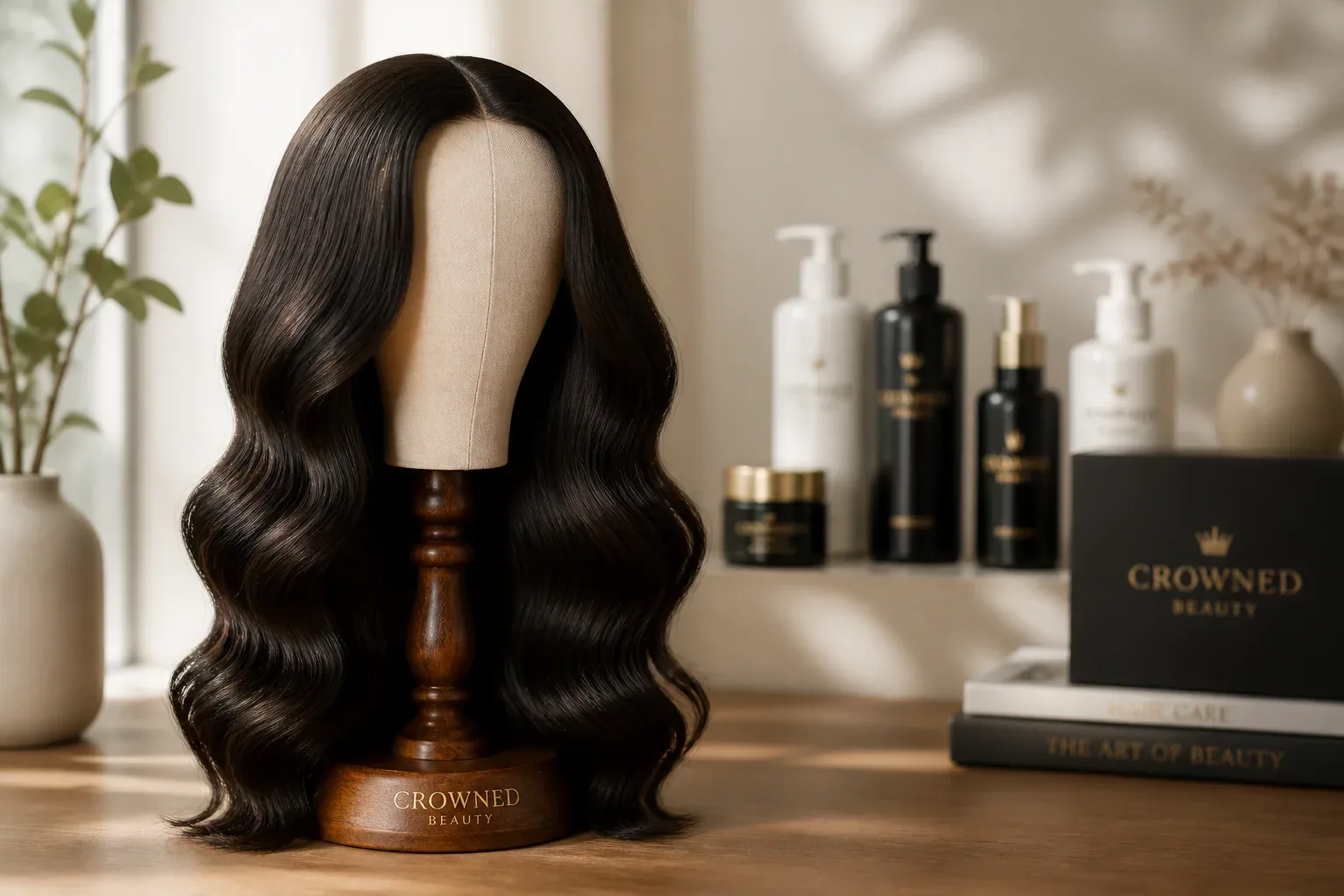
Invest in a proper wig stand—this is non-negotiable for wave preservation. Wig stands keep your wig in its proper shape when you're not wearing it, preventing the flattening that occurs when wigs sit in drawers or on beds. Use T-pins to secure the lace front to the wig stand so it maintains its shape. The investment in a quality wig stand pays dividends through extended wave longevity.
Storage Location: Climate Considerations
Store your wig in a cool, dry place away from direct sunlight. UV exposure fades hair color and can damage the structure of waves over time. Humidity is problematic for wave wigs—high humidity causes frizz and can disrupt wave patterns. If you live in a humid climate, consider storing your wig in a climate-controlled room or using a dehumidifier in your storage space. Temperature consistency matters too; avoid storing near heating vents or air conditioning units that create temperature fluctuations.
Wrapping and Bagging for Travel
When traveling with your wig, proper packing prevents damage. Wrap your wig gently in a silk or satin scarf to minimize friction and frizz. Place it in a breathable bag or wig box rather than a plastic bag, which traps moisture and humidity. Never crumple your wig into luggage; give it its own dedicated space where it won't be compressed. If you're traveling to a humid climate, pack silica gel packets in the bag with your wig to help control moisture.
Detangling Sprays for Storage
Before storing your wig, apply a light detangling spray to prevent tangling during storage. This step takes 30 seconds but prevents matting that can actually break hair strands. Use sparingly—you want the hair lightly coated, not wet. This is particularly important if you're storing your wig for an extended period.
Preventing Matting and Tangling
Matting happens when hair rubs against itself repeatedly or sits compressed. Wig stands prevent this, but you can add extra protection by loosely braiding your wig before storage or using a wig cap to keep hair contained. Some people sleep in a wig cap on non-wear days, which prevents matting from tossing and turning during sleep. Whatever method you choose, the goal is preventing friction that causes knots.
Long-Term Storage Strategies
If you're storing your wig for several months or longer, take extra precautions. Ensure it's been thoroughly washed and dried before storage—any product residue can become problematic during extended storage. Store in a cool place, ideally in a wig box designed for storage rather than open air. Check on your wig periodically even if you're not wearing it, to ensure no environmental issues have developed.
Troubleshooting Common Wave-Related Issues
Even with perfect maintenance, sometimes things go wrong. Knowing how to fix common problems saves your wig and your peace of mind.
Waves That Have Flattened or Lost Definition
If your waves look limp and undefined, the issue is usually moisture loss or product buildup. Start with a thorough wash using clarifying shampoo to remove buildup, then deep condition aggressively. After your next wash, apply a wave-enhancing cream while your hair is still damp and let it air-dry completely. Sometimes, simply rewashing and restyling restores waves to their original definition. If the flattening is severe or permanent, it may indicate heat damage that can't be reversed.
Frizz That Won't Go Away
Persistent frizz usually means either moisture loss or humidity exposure. Use a deep conditioning treatment to restore hydration, applying it as an overnight mask. After conditioning, use an anti-frizz serum on damp hair before air-drying. If you live in a humid climate and frizz is constant, store your wig in a lower-humidity environment and use lightweight frizz-control products rather than heavy ones that create buildup.
Tangling and Matting Issues
Significant tangling indicates friction damage, usually from improper storage or sleeping in your wig without protection. For existing tangles, apply a heavy-duty detangling spray and use your fingers to gently work through knots from the ends upward. Never rip through tangles with a brush, as this breaks hair. Patience is essential. Prevent future tangling by using wig caps, storing on a stand, and using detangling sprays before storage.
Hair Stiffness and Dryness
Stiff, dry hair results from either excessive heat styling or product buildup. Combat this with aggressive conditioning—use a hydrating hair mask and leave it on for 20-30 minutes. Switch to lighter products that won't create buildup. Reduce heat styling frequency. If the problem is severe, consider washing with clarifying shampoo to remove buildup, then rebuilding moisture with quality conditioners.
Uneven Wave Patterns
Uneven waves typically develop from improper storage where one section gets compressed more than others. Rewash and restyle your wig, paying attention to making sure each wave is defined as you dry. For stubborn uneven sections, use a curling iron or wave iron to redefine. Sometimes, wearing your wig for a few days naturally blends uneven waves as they settle into a new equilibrium.
When to Consider Professional Services
If DIY troubleshooting isn't working, professional wig restoration services can help. Professional stylists have access to specialized treatments and techniques that might fix problems you can't solve at home. Professional services cost money, but if your wig is high-quality and the problem is fixable, professional intervention might be worth the investment compared to buying a new wig.
Prevention: The Best Solution
The best troubleshooting strategy is prevention. Proper washing, adequate conditioning, appropriate storage, and limited heat styling prevent 95% of common issues. When you establish good habits from the start, you rarely face these problems at all.
Your Wave Game Starts with Smart Maintenance
Maintaining the gorgeous waves on your ISEE Hair Body Wave Wig isn't complicated—it's just about being consistent and intentional. Once you establish a washing routine, select products that actually work for your hair type, and nail your storage game, you'll find that those waves stick around far longer than you anticipated. The real magic happens when you stop treating wig care as a chore and start viewing it as an investment in your confidence and style.
Here's what I want you to remember: your wig's longevity directly correlates with the effort you put in during those first few weeks of ownership. The habits you build now—whether that's gentle washing, proper product selection, or strategic storage—compound over time. You're not just preserving waves; you're extending the lifespan of your entire investment and ensuring that every wear looks as fresh as day one.
Ready to transform your wig maintenance routine? Start with one strategy from this guide—maybe it's switching to a wave-friendly shampoo or upgrading your storage setup—and build from there. Your ISEE Hair Body Wave Wig has the potential to deliver salon-quality results for months to come. The only question is: are you ready to make it happen?
Shop ISEE Hair Body Wave Wigs now and invest in your wave game.