Robotime Rolife DIY Book Nook: Complete Building Guide
Discover how to build stunning Robotime Rolife DIY Book Nook miniatures with our complete guide. Learn assembly tips, design ideas, and why these glowing shelf dioramas are the perfect craft project and gift.
Over 2 million DIY craft enthusiasts purchased miniature building kits last year, and the Robotime Rolife DIY Book Nook series dominates this exploding market. The numbers tell a story of a phenomenon that's reshaping how people approach creative hobbies and home decoration simultaneously.
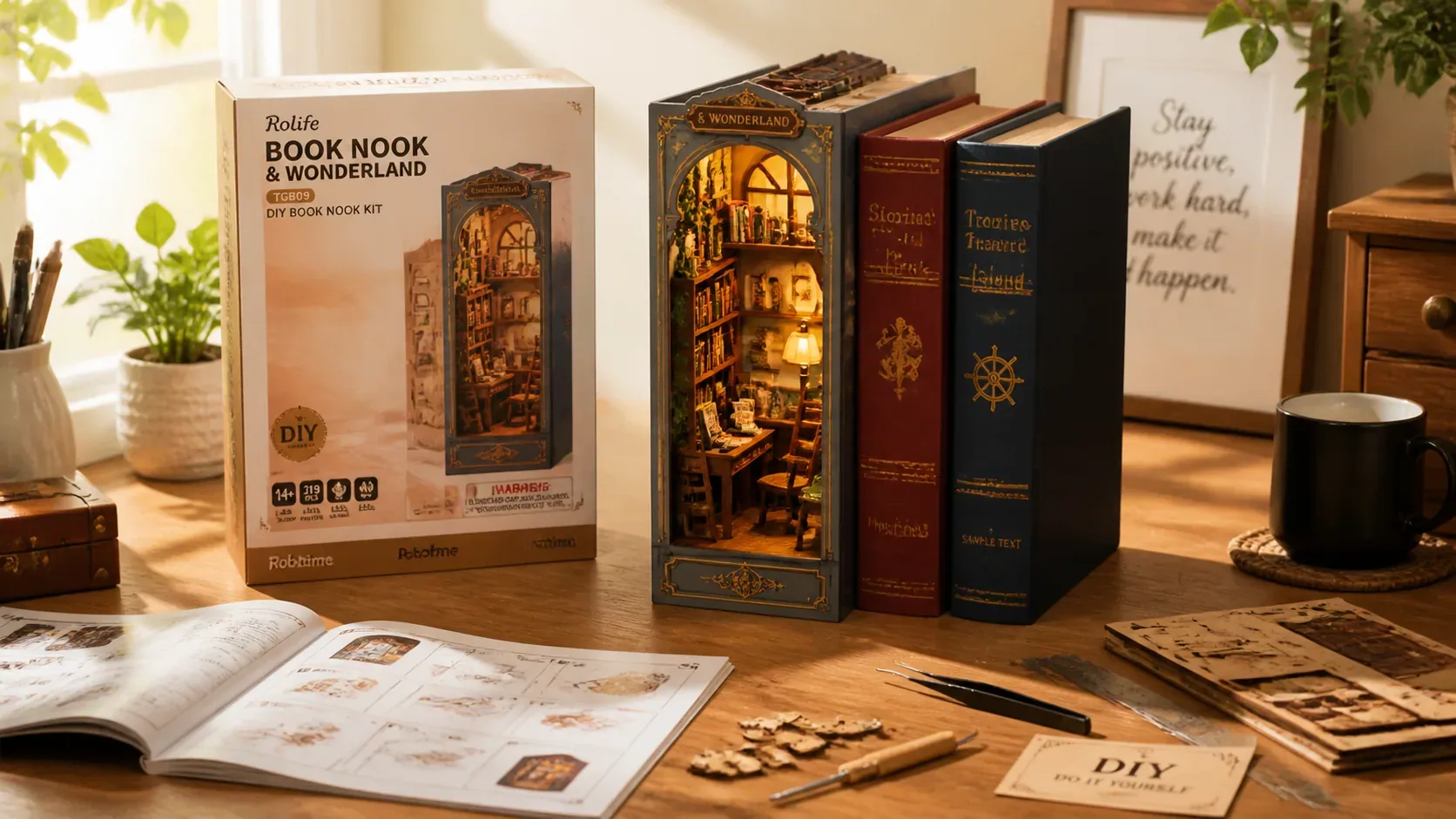
If you've scrolled through home decor feeds and wondered what those mesmerizing tiny illuminated scenes tucked between bookshelves actually are—you're looking at the craft trend that's transforming shelf styling and hands-on creativity. Robotime's Book Nook collection represents something genuinely special in the DIY space. These aren't traditional dollhouse kits. They're sophisticated miniature dioramas crafted from premium plywood, designed to glow with integrated LED lighting, and engineered to deliver that satisfying I-built-this moment in just a few hours.
Explore the complete Robotime Rolife DIY Book Nook collection to find your perfect project.
The product sits at the sweet intersection of home decor, collectible hobby, and therapeutic craft experience—which explains why they've become the go-to gift for book lovers, creative professionals, and anyone seeking a screen-free weekend project. This guide walks you through everything you need to know: what makes them tick, how to tackle assembly like a pro, which models suit different skill levels, and how to display your finished masterpiece.
What Exactly Is a Robotime Rolife DIY Book Nook?
Definition and Core Concept
A Robotime Rolife DIY Book Nook is a miniature diorama kit designed to fit between books on a standard bookshelf. Rather than occupying tabletop real estate like traditional dollhouses, these nooks slide seamlessly into existing shelf space, creating a compact glowing scene that functions as both decorative accent and functional book companion. The concept turns vertical real estate that's often wasted into curated storytelling opportunities.
How They Differ From Traditional Dollhouses and Dioramas
The fundamental difference lies in spatial design philosophy. Dollhouses demand dedicated display space and often become permanent fixtures requiring special shelving. Traditional dioramas are static art pieces viewed from one angle. Book Nooks split the difference—they're self-contained worlds sized specifically for bookshelf insertion, accessible from a single primary viewing angle, and intentionally designed to complement literary environments rather than compete for attention.
The Bookshelf Insert Design Philosophy
The brilliance of the design emerges from constraint. By limiting depth and height, Rolife engineers create focused scenes where every decorative element earns its place. Nothing gets lost in scale. The bookshelf context provides natural framing, and neighboring books become part of the overall aesthetic. This spatial efficiency means collectors can build multiple nooks without requiring extensive storage or display infrastructure.
Historical Context of the Rolife Brand
Robotime International Limited established itself in the DIY miniature market, but the Book Nook concept specifically emerged from recognizing an underserved creative niche—people who loved intricate building projects but lacked space for elaborate displays. The product line evolved from this insight, growing from early designs into a comprehensive collection spanning various themes, difficulty levels, and aesthetic styles.
Why the Book Nook Format Appeals to Modern Collectors
Modern decorators reject one-dimensional approach to home styling. Book Nooks satisfy multiple desires simultaneously: they appeal to the builder seeking hands-on engagement, the decorator wanting distinctive accents, the collector drawn to limited editions, and the book lover wanting a bridge between literary interest and physical space. The format also eliminates decision paralysis—the bookshelf location dictates placement, streamlining an otherwise complex decorating choice.
The Role of LED Lighting in Creating the Signature Glow
Integrated lighting transforms these kits from clever shelf accessories into genuine focal points. The LED systems create depth and atmosphere, bringing miniature scenes to life after sunset. Lighting also serves a practical function—it draws the eye and prevents the nook from becoming visually lost among surrounding books. This glowing quality is perhaps the single most recognizable feature of completed Rolife kits.
Material Composition and Construction Quality Standards
Robotime constructs kits from high-quality plywood—durable enough to withstand assembly stress but fine-grained enough to accept precision cutting. The wood pieces arrive pre-cut, eliminating the need for saws or advanced tools. This manufacturing approach democratizes the building process; accuracy comes from factory precision rather than user skill. Material quality means finished pieces last for years without degradation or structural concerns.
Key Features That Make These Kits Stand Out
Pre-Cut Wooden Pieces and Precision Engineering Benefits
Every component arrives ready for assembly. Pre-cutting ensures parts fit together precisely, reducing frustration and eliminating the need for workshop equipment beyond basic household tools. This engineering detail transforms the product from a craft project requiring specialized skills into an accessible building experience for beginners and experienced builders alike.
LED Lighting Systems: Battery-Operated vs. USB-Powered Options
Different kits offer different power solutions. Battery-operated systems provide portability and require no external outlets—ideal for testing placement or moving displays seasonally. USB-powered options deliver consistent brightness without battery replacement and work well in permanent shelf installations near accessible outlets. Understanding your power preference matters when selecting a specific model.
Included Decorative Elements and Attention to Detail
Beyond structural pieces, kits include numerous small decorative components—tiny books, miniature furniture, decorative props, and scenic elements. The caliber of these details separates quality kits from mediocre ones. Rolife's inclusion of thoughtfully designed extras transforms functional structures into compelling scenes that reward close inspection.
Step-by-Step Instruction Quality and Accessibility
Clear, detailed instructions determine whether assembly becomes meditative or maddening. Rolife provides sequential guidance with illustrations that translate regardless of language background. The accessibility of instructions means someone encountering their first miniature kit can progress confidently without advanced crafting knowledge or specialized experience.
Glue Requirements and Adhesive Recommendations
Kits require wood glue—typically white PVA glue works perfectly and remains the industry standard. The small amount needed per kit is inexpensive and widely available. Understanding drying times and proper glue application prevents structural weaknesses and rushed assembly that leads to misaligned pieces.
Tool Requirements and Workspace Setup Strategies
Minimal tools suffice: a workspace with adequate lighting, glue, and patience. Many builders appreciate working in a dedicated area where components remain organized throughout the multi-hour assembly process. Proper lighting becomes crucial during detailed work with small pieces, making task lighting a worthwhile investment.
Packaging Quality and Unboxing Experience
Rolife pays attention to first impressions. Quality packaging protects components during shipping while creating an appealing unboxing experience—particularly important for gift-givers. Organized compartments and protective materials reduce frustration when opening and prevent losing small pieces before assembly even begins.
Assembly Deep Dive: From Box to Glowing Display
Time Commitment Expectations for Different Complexity Levels
Beginner models typically require 3-5 hours of focused building time. Intermediate kits demand 6-10 hours. Advanced builds can stretch toward 15+ hours across multiple sessions. These timeframes assume steady, careful work without extended breaks. Complexity impacts time more significantly than total piece count—intricate decoration takes longer than basic assembly.
Start your Robotime Rolife journey today and experience the craft phenomenon firsthand.
Workspace Setup and Organization Strategies
Success begins before assembly starts. Organize all pieces by category—structural components in one area, decorative elements in another. Use small containers to prevent losing tiny pieces. Position lighting to eliminate shadows on work surfaces. Creating distinct zones for building, completed sections, and reference materials keeps the process flowing smoothly.
Sequencing the Build Process for Optimal Results
Following the provided sequence matters more than rushing ahead. Most instructions progress logically from structural foundation through decorative details, culminating in LED installation. Attempting decoration before structural assembly creates cramped working conditions. Proper sequencing prevents damage to completed sections and ensures adequate access for gluing and securing components.
Handling Small Delicate Parts Without Frustration
Tiny pieces demand respect and proper technique. Tweezers become invaluable tools for positioning fiddly components. Patience outweighs speed—rushing leads to dropped pieces and frustration. Creating a contained work surface prevents components from rolling away. Taking breaks prevents fatigue-induced errors when handling numerous small pieces.
Gluing Techniques and Drying Time Management
Consistency matters in adhesive application. Too much glue creates messy joints and extends drying times unnecessarily. Too little results in weak connections that fail during assembly or afterward. Most PVA wood glues require 15-30 minutes clamping time; planning assembly to allow proper drying prevents the temptation to force pieces together before adhesive sets.
LED Installation Procedures and Troubleshooting Common Issues
LED installation typically comes last, after structural assembly and decoration complete. Following color-coded wiring diagrams prevents reversed polarity mistakes. Testing batteries or USB connections before final installation confirms everything functions before the nook is complete. Common issues include loose wires or connections—methodically checking each wire prevents post-completion troubleshooting headaches.
Common Beginner Mistakes and How to Avoid Them
Overambitious first attempts at advanced kits set builders up for frustration. Starting with beginner models builds skills and confidence. Rushing glue application leads to misalignment issues that compound throughout the build. Inadequate workspace lighting causes mistakes with small components. Neglecting to follow instructions sequentially creates access problems. Acknowledging these common pitfalls beforehand prevents repeating them.
Skill Levels Decoded: Which Book Nook Matches Your Experience
Beginner-Friendly Models With Simplified Builds
Starter kits feature fewer components, larger pieces, and straightforward assembly sequences. These models introduce building fundamentals without overwhelming new crafters. Completion generates confidence and familiarity with the process. Most beginner kits complete in 3-5 hours and rarely present structural challenges.
Intermediate Options That Introduce Moderate Complexity
After mastering beginner models, intermediate kits introduce more decorative elements, tighter tolerances, and multi-stage assembly. These builds require perhaps 6-10 hours and incorporate thematic complexity beyond basic structures. Intermediate kits reward careful attention to sequencing without reaching frustration levels for experienced builders.
Advanced Kits for Experienced Crafters Seeking Challenges
Advanced Rolife nooks push construction to elaborate levels, incorporating numerous components, complex assembly patterns, and intricate detailing. These projects appeal to experienced crafters wanting substantial challenges. Builds may span multiple sessions and require concentrated focus during particularly detailed sections.
Honest Assessment of Time Investment Per Difficulty Tier
Beginner projects represent modest time commitments—an afternoon or evening of focused work. Intermediate builds stretch into weekend projects, often benefiting from multi-session approaches. Advanced kits demand serious dedication, sometimes requiring 15-20+ hours across multiple days. Realistic time assessment prevents frustration from choosing projects that exceed available commitment.
Complexity Factors Beyond Piece Count
Total piece quantity doesn't necessarily indicate difficulty. Kits with fewer but trickier pieces can prove more challenging than models with many straightforward components. Assembly sequence complexity, precision requirements, and decorative detail density affect difficulty more than raw numbers. Reading detailed reviews reveals these nuances better than spec sheets.
Recommended Progression Path for Collectors Building Multiple Nooks
Starting with beginner models establishes fundamental skills. Progressing to intermediate kits builds confidence for more intricate work. Only after completing several intermediate projects should crafters attempt advanced builds. This progression prevents early frustration and builds the precision skills needed for complex assemblies.
Support Resources and Community Forums for Each Level
Online communities dedicated to Rolife kits provide invaluable support. Beginners benefit from shared tips and troubleshooting advice. Intermediate builders exchange optimization strategies. Advanced crafters showcase techniques and problem-solving approaches. Dedicated forums, social media groups, and video channels offer guidance regardless of skill level.
The Gift-Giving Advantage: Why Book Nooks Win Every Time
Appeal to Book Lovers and Literary Enthusiasts
Book lovers recognize these kits instantly—they're designed for people who treasure reading and bookish environments. Gifting a Book Nook acknowledges the recipient's identity as someone who values literature and cares about their reading space. The bookshelf integration feels particularly meaningful to avid readers whose shelves constitute personal geography.
Suitability for Creative Professionals and Artists
Creative professionals value hands-on making as a counterbalance to digital work. Book Nooks appeal to artists seeking tactile creative outlets distinct from their primary discipline. Designers, writers, and other creative professionals appreciate the design sophistication and appreciate gifts that honor their aesthetic sensibilities.
Why Collectors Gravitate Toward These Kits
Collectors embrace the modular expandability of Book Nooks. Unlike many craft projects representing one-off creations, nooks invite building multiple variations, each with distinct themes. The collectible nature means each completed kit becomes part of a curated library of miniature worlds. Limited edition models add investment appeal.
Memorable Unboxing and Building Experience as a Gift Benefit
Superior gifts engage beyond the final product. Book Nook kits deliver an exceptional unboxing experience and hours of engaging activity. The building process becomes part of the gift value. Recipients create memories through making, not just receiving a finished object.
Perfect Occasions for Gifting Birthdays, Holidays, and Milestones
Book Nooks work for virtually any occasion. Birthday recipients gain a memorable project. Holiday gifts feel special and thoughtful. Milestone celebrations (graduations, new jobs, relocations) pair perfectly with kits that create meaning in new spaces. The versatility across occasions makes Book Nooks reliable gift choices.
Personalization Potential Through Display Placement
Display choices add personalization. Placing a completed nook among a recipient's favorite books creates intimate connection. Thematic selection—choosing a kit matching the recipient's interests or aesthetic preferences—adds thoughtfulness. The bookshelf context allows personalization impossible with traditional gifts.
Conversation Starter Factor in Home Decor
Completed nooks draw attention and questions. Visitors inevitably notice glowing miniature scenes between books and ask about them. This conversation-starter quality means the gift continues delivering value through ongoing engagement and admiration from viewers.
Transform Your Shelves Into Storytelling Spaces
Your bookshelf is about to become so much more than a storage solution. A Robotime Rolife DIY Book Nook transforms ordinary shelf space into a glowing narrative—a tiny world that catches light, sparks conversation, and reminds you why hands-on creativity matters. Whether you're seeking a meditative weekend project, hunting for the perfect gift that actually impresses, or joining the millions already enchanted by miniature dioramas, these kits deliver an experience that justifies every penny and every hour invested.
The real magic isn't just the finished product glowing between your books. It's the satisfaction of building something beautiful with your own hands, the quiet focus required during assembly, and the genuine pride when someone asks, "Wait, you made that?" The experience transforms how you think about crafting and decoration simultaneously.
Your journey from unboxed components to completed masterpiece isn't merely a build—it's a gateway into a creative community of millions who understand that sometimes the most meaningful projects are the smallest ones. They're the worlds we build with intention, the scenes we illuminate with care, and the displays we create that express who we are.