
SIRUI 35mm Anamorphic Lens: Cinematic Video
Discover how the SIRUI Anamorphic Lens 35mm delivers professional cinema aesthetics at accessible prices. Learn key features, real-world applications, and whether this affordable anamorphic lens fits your creative workflow.
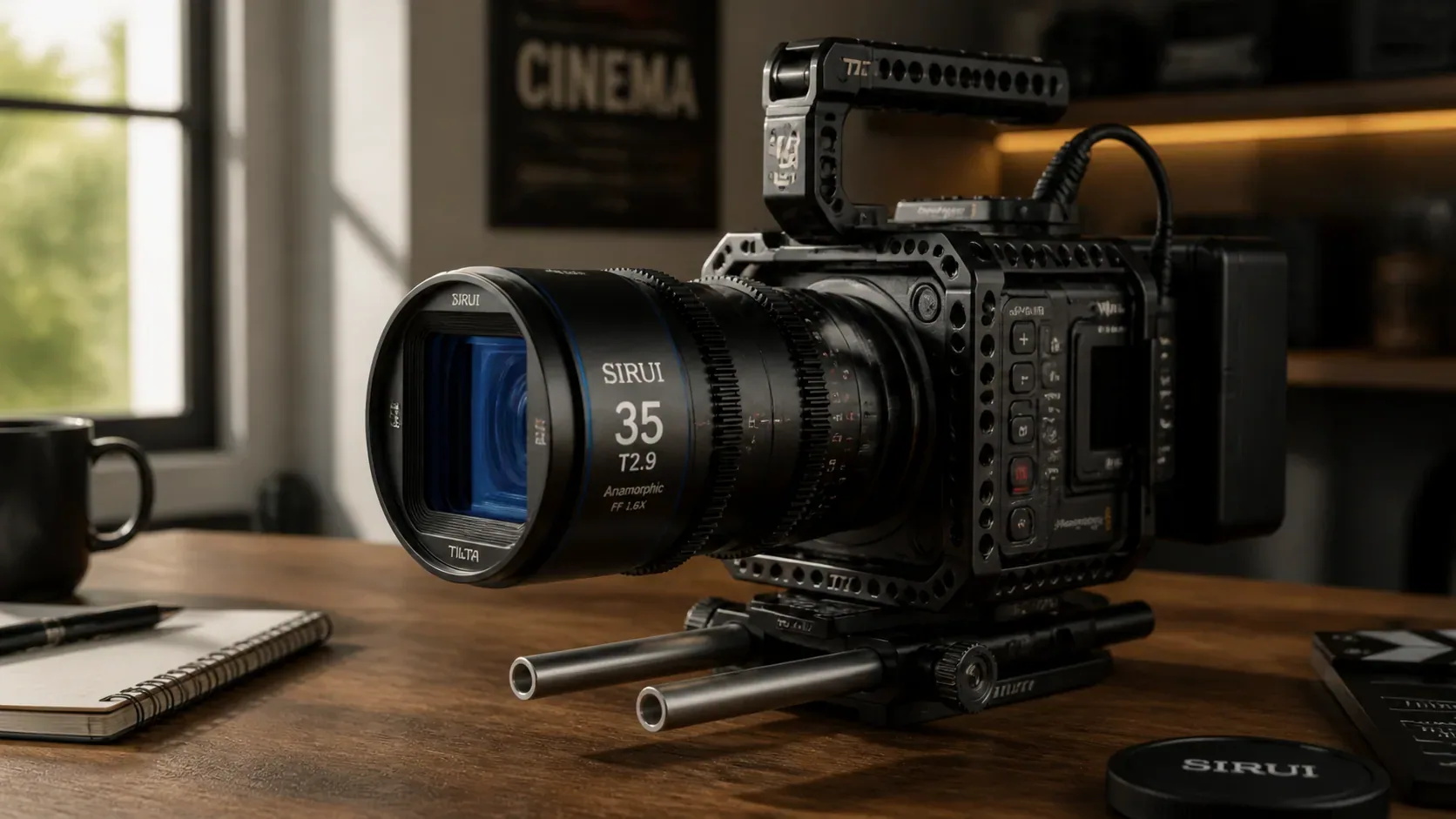
The barrier between amateur and professional cinematography has never been purely technical—it's aesthetic. Over 70% of independent filmmakers and content creators cite budget constraints as their biggest barrier to achieving a cinematic look. Yet the SIRUI Anamorphic Lens 35mm shatters that narrative by delivering authentic widescreen aesthetics at a fraction of traditional cinema lens costs. SIRUI has built a reputation for democratizing professional optics, combining optical quality with affordability—a rare combination in cinema glass.
The 35mm focal length has become the go-to choice for creators seeking versatility across multiple shooting scenarios, from intimate interviews to dynamic travel documentaries. This particular focal length occupies a sweet spot: wide enough to capture environmental context, yet natural enough to feel intimate rather than distorted. The lens doesn't compromise on character either; it delivers the horizontal flare patterns and bokeh rendering that signal professional production value to discerning audiences.
In this guide, you'll uncover the technical specifications that make this lens perform, explore real-world applications across different content types, understand the learning curve you'll face, and determine whether the SIRUI 35mm anamorphic fits your production needs.
Explore the SIRUI 35mm anamorphic lens and start your cinematic journey today.
Understanding Anamorphic Optics and the 35mm Sweet Spot
What anamorphic lenses do and why they create that distinctive cinematic look
Anamorphic lenses compress the image horizontally during capture, then unsqueeze it during projection or post-processing. This creates the characteristic widescreen ratio and the horizontal flare patterns that audiences instantly recognize as "cinematic." Unlike standard spherical lenses, anamorphic optics manipulate light in a fundamentally different way, affecting how bokeh renders, how flares behave, and how the overall image feels.
How the 35mm focal length balances versatility with dramatic visual impact
At 35mm, you're operating in a versatile range. It's wider than the traditional 50mm "normal" lens, giving you broader environmental context. Yet it's not so wide that it creates the pronounced distortion and perspective exaggeration of ultra-wide lenses. This balance makes 35mm ideal for scenarios where you need visual drama without sacrificing subject intimacy.
The difference between true anamorphic squeeze and digital cropping methods
True anamorphic lenses optically compress the image using cylindrical lens elements. Digital cropping, by contrast, uses software to crop standard footage into a wider aspect ratio. The results look superficially similar, but true anamorphic offers superior optical characteristics: authentic flare patterns, unique bokeh rendering, and light falloff that digital methods cannot replicate.
Why 35mm sits at the intersection of wide-angle coverage and natural perspective
The 35mm focal length delivers coverage wider than standard cinema lenses (typically 50mm or longer) without the perspective distortion that comes with ultra-wide angles. Subjects remain recognizable. Environments feel present without overwhelming the frame. This makes 35mm exceptionally forgiving for creators still developing their compositional instincts.
Common misconceptions about anamorphic lenses and what they actually deliver
Many assume anamorphic lenses create a "look" that you can't achieve any other way—and technically, that's true. But the misconception is that this look automatically makes footage better. Anamorphic lenses are tools. A well-composed, properly exposed standard lens shot will outperform poorly executed anamorphic work every time. The lens amplifies intentional choices; it doesn't compensate for lack of planning.
The optical physics behind horizontal flare patterns and bokeh rendering
Anamorphic lenses use cylindrical elements that compress light horizontally. When bright light sources enter the frame, the compressed optical path creates distinctive horizontal streaks—the signature anamorphic flare. Similarly, out-of-focus areas render with a characteristic shape: circular in the horizontal plane, elongated in the vertical. Understanding these characteristics helps you compose around them intentionally rather than discovering them by accident.
Technical Specifications That Matter for Your Workflow
Aperture range (T2.9 and comparable stops) and low-light performance advantages
The SIRUI 35mm typically offers a T2.9 aperture, which translates to approximately f/2.8 in spherical terms. This fast aperture delivers two critical advantages: it allows shooting in lower light without pushing ISO excessively, and it enables shallow depth of field that isolates subjects from backgrounds. For travel documentaries or interview work in uncontrolled lighting, this speed makes the difference between usable and unusable footage.
Full-frame versus APS-C sensor coverage options and mount compatibility
Depending on the specific model and mount, the SIRUI 35mm may cover full-frame sensors or optimize for APS-C formats. Full-frame coverage offers more creative latitude and wider effective field of view. APS-C versions are more compact and lighter, important considerations if you're handheld shooting or traveling extensively. Check your camera's sensor size and confirm mount compatibility before purchasing.
Manual focus mechanics and why precision matters with anamorphic glass
The SIRUI 35mm features manual focus only—no autofocus. This design choice keeps the lens compact, maintains optical quality, and reduces cost. Anamorphic lenses have shallower depth of field than spherical lenses at equivalent apertures, making precise focus critical. Manual focus becomes an advantage here because it forces deliberate focus-pulling, which actually enhances the cinematic feel once you develop the muscle memory.
Metal construction quality and durability for travel and location shooting
Cinema lenses need to withstand repeated handling, temperature changes, and environmental dust. The SIRUI 35mm features solid metal construction rather than plastic housings, translating to durability that justifies its place in professional workflows. Metal construction also means the lens maintains its mechanics smoothly over years of use.
Optical coatings and their impact on flare character and color rendering
The lens's optical coatings influence how it renders color and how aggressively it flares. Coatings reduce unwanted reflections, improve contrast, and shape the character of flares. Different coatings create different flare signatures—some produce clean, defined horizontal streaks; others create more organic, diffused patterns. The SIRUI's coatings are tuned to deliver flares that feel organic rather than artificial.
Weight, size, and handling characteristics for handheld versus stabilized rigs
The 35mm anamorphic sits at a practical weight and size—heavy enough to feel substantive, light enough for handheld work when paired with appropriate stabilization. This balance makes it equally comfortable on a gimbal, in a follow focus rig, or simply held steady with good technique. Compared to larger cinema anamorphics, the SIRUI remains genuinely portable.
Real-World Applications: Where the SIRUI 35mm Excels
Interview and dialogue-heavy content with a polished, premium feel
Interviews filmed on anamorphic glass instantly feel more considered, more professional. The horizontal flares create visual interest during dialogue scenes without distraction. The 35mm focal length allows you to frame subjects with meaningful environmental context—their workspace, their setting—while maintaining the intimacy required for conversation. The shallow depth of field, combined with the lens's bokeh character, separates subjects from backgrounds in a way that feels cinematic rather than cheap.
Travel vlogging and documentary work that demands visual storytelling
Travel content benefits enormously from anamorphic's visual distinctiveness. The widescreen aspect ratio immediately signals that this content is intentional, crafted. The 35mm focal length captures enough environmental breadth to establish locations while remaining wide enough to feel immersive. Horizontal flares from sunsets, streetlights, and architecture become compositional elements rather than optical artifacts.
Music video production and the 35mm's relationship to song pacing
The anamorphic aesthetic aligns intuitively with music video aesthetics. The horizontal flares, the color rendering, the distinctive bokeh—these create visual rhythm that complements musical structure. The 35mm focal length works across dance, narrative, and performance videos without requiring lens changes. The manual focus requirement actually suits music video production, where focus-pulling becomes a choreographed technical element.
Short-form social media content that benefits from cinematic framing
Even short-form content—Instagram Reels, TikTok videos, YouTube Shorts—benefits from cinematic framing. Audiences have become sophisticated enough to recognize and respond to professional production value. The SIRUI 35mm anamorphic delivers that production value in formats designed for phone viewing. The widescreen aspect ratio, the flares, the color rendering all translate to the small screen.
Commercial work and branded content where production value matters
Brands understand that production quality signals product quality. Anamorphic imagery commands premium perception. Whether you're shooting commercial work for automotive brands, luxury products, or high-end services, the SIRUI 35mm delivers the visual signature that justifies premium positioning. The cost-to-quality ratio makes it an exceptional choice for commercial creators operating at mid-market budget levels.
Hybrid workflows combining anamorphic footage with standard cinema lenses
Professional workflows often mix anamorphic with spherical lenses strategically. Wide establishing shots might use anamorphic for visual distinctiveness; close coverage might switch to spherical for different bokeh characteristics. The 35mm anamorphic pairs well with standard cinema focal lengths, allowing you to build visual variety without losing coherence.
Check current pricing and availability on the SIRUI store.
The Learning Curve: What Beginners Should Expect
Manual focus techniques and muscle memory development timelines
Manual focus on anamorphic lenses requires developing tactile sensitivity. You're monitoring focus through a viewfinder while adjusting the focus ring—a skill that takes roughly 20-30 hours of active practice to feel natural. The learning curve isn't steep, but it's real. Start with stationary subjects, progress to slow focus-pulls, then advance to dynamic focus-pulling during active shooting. Most creators reach competence within 2-3 weeks of regular use.
Framing discipline required due to anamorphic distortion and edge characteristics
Anamorphic lenses don't distort the same way spherical lenses do, but they do have distinct edge characteristics. The horizontally compressed bokeh can feel unusual at frame edges. Composition becomes more deliberate—you're thinking actively about what belongs at the edges of frame. This isn't a limitation; it's an education in intentional framing.
Depth of field management with fast apertures and close focusing distances
The T2.9 aperture combined with anamorphic optics creates shallower depth of field than spherical lenses at the same aperture. Focusing at close distances becomes even more critical. At full aperture focusing 3 feet away, your depth of field might measure only inches. This demands precise focus-pulling and sometimes stepping down to T4 or T5.6 to gain workable depth of field during interviews or documentary work.
Adapting your shooting style to accommodate anamorphic-specific considerations
Anamorphic lenses reward intention. You can't rely on autofocus to catch out-of-focus moments. You can't compose casually and expect polished results. Instead, you plan your shots, compose deliberately, and execute with precision. This slower, more thoughtful shooting style actually improves overall work quality—it forces consideration that casual shooting skips.
Common mistakes new users make and how to avoid them
New anamorphic users commonly assume they can shoot at full aperture in bright sunlight (resulting in overexposure), forget that anamorphic depth of field is shallower than they expect (resulting in focus misses), or underestimate how much environmental context the 35mm captures (resulting in messy frames). Solutions: use neutral density filters for bright sunlight, practice focus-pulling before shooting productions, and scout locations carefully to understand what the 35mm will actually frame.
Resources, tutorials, and community support for skill development
The anamorphic filmmaking community is surprisingly robust. YouTube channels dedicated to anamorphic cinematography, online forums where creators share techniques, and rental houses that offer in-person instruction all provide learning pathways. Many equipment rental companies include brief tutorials with anamorphic lens rentals—taking advantage of this before purchasing helps validate that anamorphic shooting aligns with your creative process.
Your Path Forward in Anamorphic Cinematography
The SIRUI Anamorphic Lens 35mm represents a genuine inflection point for independent creators. You're getting legitimate cinematic optics—the kind that transforms how audiences perceive your work—without mortgaging your equipment budget. That's powerful.
The manual focus requirement and learning curve aren't obstacles; they're invitations to develop deeper technical skills that will elevate your entire craft. The creators who thrive with anamorphic glass aren't those who treat it as a shortcut to cinematic imagery. They're the ones who embrace the deliberate, intentional shooting style that anamorphic demands—who plan shots rather than capture them, who compose thoughtfully rather than casually, who accept that speed sometimes yields to precision.
Whether you're shooting interviews that need gravitas, travel content that demands visual poetry, or branded work where production value signals quality, this lens delivers. The real question isn't whether the SIRUI 35mm is capable—it absolutely is. The question is whether you're ready to commit to the intentional approach that anamorphic optics reward.
If you are, this lens will reward that commitment with imagery that stands apart. Start by identifying your primary use case. Rent one for a project or two if possible, and feel how it changes your creative decision-making. Then decide whether ownership makes sense for your trajectory.
Visit the SIRUI store to explore the 35mm anamorphic lens and find the right mount for your camera.