What Makes Tire Pressure Monitoring Systems Useful for Modern Vehicle Maintenance?
Discover how Tire Pressure Monitoring Systems (TPMS) improve driving safety, boost fuel efficiency, and prevent tire damage. Drive smarter and safer today!
Maintaining the correct tire pressure is an important part of keeping your vehicle safe, efficient, and comfortable to drive.
However, checking each tire manually can be inconvenient, particularly when you have a busy schedule or regularly travel long distances.
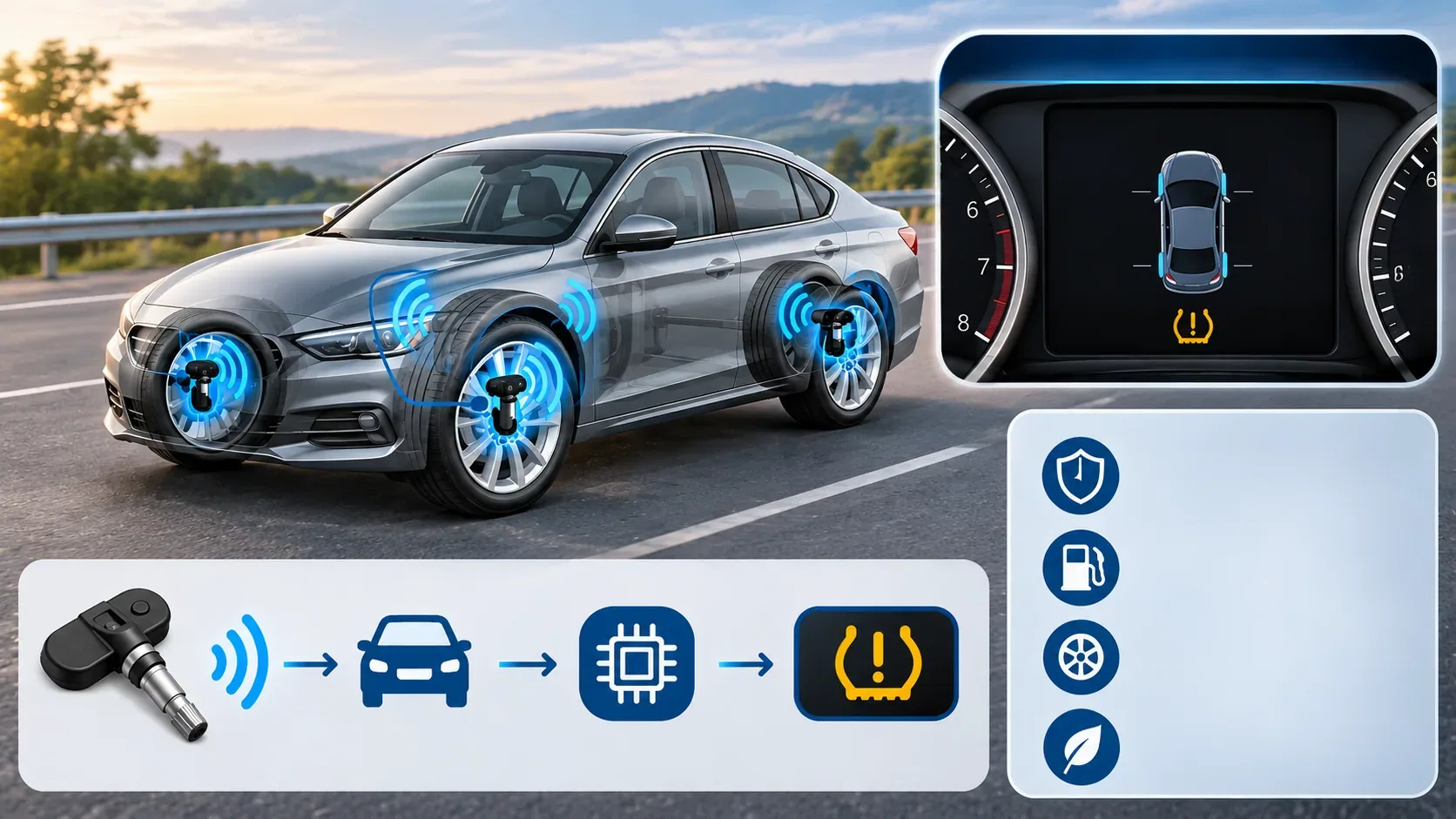
Tire Pressure Monitoring Systems help you monitor tire conditions by detecting low pressure and alerting you when attention is needed.
Depending on the technology, some systems can display individual tire readings, monitor temperature, and provide warnings before tire pressure becomes dangerously low.
If you're planning to purchase a monitoring system for your vehicle, understanding its features, sensor types, compatibility, and maintenance requirements can help you make an informed decision.
What Are Tire Pressure Monitoring Systems and How Do They Work?
Tire Pressure Monitoring Systems, commonly called TPMS, are electronic safety systems designed to detect tire pressure problems and notify drivers through dashboard indicators or separate monitoring displays.
These systems help you identify pressure changes that may otherwise go unnoticed during everyday driving.
There are two primary types of tire pressure monitoring technology.
Direct Tire Pressure Monitoring Systems
Direct TPMS uses pressure sensors installed in or on individual wheels to measure tire pressure.
Depending on the model, these sensors transmit information to the vehicle's onboard computer or an aftermarket display.
Common features include:
- Individual tire pressure measurements
- Automatic low-pressure warnings
- Real-time or periodic pressure updates
- Temperature monitoring on compatible devices
- Sensor battery monitoring on selected models
Direct monitoring is particularly useful when you want pressure readings for individual tires instead of relying entirely on a general dashboard warning.
Indirect Tire Pressure Monitoring Systems
Indirect TPMS generally uses information from wheel-speed sensors associated with the vehicle's anti-lock braking system.
When tire pressure decreases, changes in tire rolling characteristics can help the system detect a potential issue.
Unlike direct systems, indirect monitoring typically does not measure actual tire pressure.
Common characteristics include:
- No dedicated pressure sensor inside each tire
- Integration with existing vehicle electronics
- Tire pressure warnings based on wheel behavior
- Calibration requirements after tire inflation or replacement
Indirect monitoring can be convenient because it relies on existing vehicle equipment, although its ability to identify pressure problems depends on the system's detection method and calibration.
Why Tire Pressure Monitoring Matters for Everyday Driving
Driving with incorrectly inflated tires can affect vehicle handling, tire wear, fuel consumption, and overall road safety.
A monitoring system helps you identify potential pressure problems without depending entirely on occasional manual inspections.
1. Helps Detect Underinflated Tires
Underinflation increases tire flexing and heat buildup, potentially contributing to tire damage.
A pressure monitoring system can alert you when pressure falls below its warning threshold.
However, these warnings do not replace routine inspections or checks using a reliable tire pressure gauge.
2. Supports Better Fuel Efficiency
Underinflated tires increase rolling resistance, which can contribute to higher fuel consumption.
Maintaining manufacturer-recommended pressure helps your tires operate as intended and may reduce unnecessary fuel use.
3. Helps Reduce Uneven Tire Wear
Incorrect tire pressure can contribute to uneven tread wear.
Monitoring tire pressure regularly helps you identify inflation problems and correct them before they contribute to premature tire replacement.
4. Provides Added Awareness During Long Drives
Long highway trips, changing weather conditions, and heavy vehicle loads can influence tire performance.
A compatible monitoring system provides pressure information and warnings that help you respond to potential tire problems.
5. Makes Routine Tire Maintenance Easier
Instead of relying exclusively on manual inspections, you can use your vehicle's monitoring system to identify potential changes.
You should still check tire pressure manually, particularly before extended trips or when carrying heavy loads.
Best Tire Pressure Monitoring System: Features Worth Comparing
Finding the Best Tire Pressure Monitoring System for your vehicle depends on compatibility, sensor design, monitoring accuracy, display preferences, and installation requirements.
Rather than selecting a device based entirely on price, evaluate how its features fit your driving habits.
Pressure Monitoring Accuracy
Look for manufacturers that publish sensor accuracy specifications.
Reliable pressure readings help you identify inflation changes, although accuracy can vary depending on sensor quality, calibration, and operating conditions.
Display Visibility
Some aftermarket systems include dedicated displays, while others use smartphone applications.
A display should be readable without distracting you from driving.
Useful display characteristics include:
- Clear tire position indicators
- Easy-to-read pressure measurements
- Adjustable warning thresholds
- Audible or visual alerts
- Battery status information
Sensor Durability
Tire sensors are exposed to moisture, vibration, temperature changes, and road conditions.
Look for devices with documented environmental protection ratings and operating temperature specifications.
Battery Life
Battery requirements differ between internal and external sensor designs.
Some external sensors have replaceable batteries, while many internal sensors use sealed batteries that require sensor replacement when depleted.
Vehicle Compatibility
Before purchasing, confirm that the monitoring system supports your vehicle's tire configuration and intended operating pressure range.
Compatibility becomes particularly important for vehicles with original factory monitoring systems.
Wireless Tire Pressure Monitoring System: Is It Worth Buying?
A Wireless Tire Pressure Monitoring System allows compatible sensors to transmit tire information without physical wiring between the wheels and monitoring display.
Many aftermarket devices use wireless communication to send pressure and temperature readings to a dedicated receiver.
Some systems use Bluetooth or other wireless technologies to communicate with compatible smartphones.
Advantages of Wireless Monitoring
Wireless monitoring can be practical if you want an aftermarket solution without extensive vehicle modifications.
Potential advantages include:
- Convenient monitoring displays
- Installation options for compatible vehicles
- Individual tire readings on supported devices
- Adjustable pressure alerts
- Portable display options on selected products
Limitations to Know
Wireless systems also have limitations.
Sensor communication can be affected by distance, interference, low battery power, or installation conditions.
Additionally, not every aftermarket device can communicate with a vehicle's existing dashboard monitoring system.
Buying tip: Check the manufacturer's compatibility information before assuming that a wireless monitoring kit can replace original factory sensors.
Understanding TPMS Sensors: Internal vs. External Designs
TPMS Sensors are responsible for detecting pressure conditions in direct monitoring systems.
Aftermarket products commonly use internal or external sensor designs.
Internal Sensors
Internal sensors are generally installed inside the tire assembly, commonly attached to the valve stem or mounted within the wheel.
Advantages:
- Protected from direct exposure to road debris
- Less accessible to tampering
- Often used in factory monitoring systems
- Compatible with certain vehicle dashboard displays
Limitations:
- Installation usually requires tire removal
- Professional equipment may be necessary
- Sensor replacement can involve additional labor
- Compatibility and programming requirements vary
External Sensors
External sensors attach to the tire valve stem, replacing the standard valve cap.
Advantages:
- Generally easier to install
- Convenient access for battery replacement on supported models
- Suitable for certain aftermarket monitoring kits
- Often practical for drivers seeking straightforward installation
Limitations:
- Exposed to weather and road conditions
- Can be vulnerable to theft or physical damage
- May require removal when adding air
- Must be compatible with the valve stem and wheel configuration
Internal vs. External Sensor Comparison
| Feature | Internal Sensors | External Sensors |
|---|---|---|
| Installation | Usually professional | Often DIY |
| Location | Inside tire assembly | Outside valve stem |
| Weather exposure | Lower | Higher |
| Battery replacement | Often requires sensor replacement | Replaceable on some models |
| Theft exposure | Lower | Higher |
| Maintenance access | Requires tire service | Generally easier |
| Factory compatibility | Vehicle-dependent | Usually aftermarket receiver |
Your choice should depend on your vehicle's monitoring requirements, maintenance preferences, and the manufacturer's compatibility specifications.
Tire Pressure Monitoring System for Cars: Choosing the Right Setup
Selecting a Tire Pressure Monitoring System for Cars requires understanding your vehicle's existing equipment.
Not every vehicle needs an aftermarket monitoring kit.
Cars With Factory-Installed TPMS
Many modern vehicles already include factory monitoring technology.
If your vehicle has a functioning factory system, replacement sensors may be necessary only when existing components fail or become incompatible after wheel changes.
Before buying replacement sensors, verify:
- Vehicle make and model
- Manufacturing year
- Required sensor frequency
- Sensor programming requirements
- Compatibility with the vehicle's receiver
- Relearn or registration procedures
A replacement sensor that physically fits the wheel may still fail to communicate with the vehicle if its specifications are incompatible.
Cars Without Factory Monitoring
If your vehicle does not have factory-installed TPMS, a compatible aftermarket monitoring kit may be an option.
External sensor kits can be convenient because some models do not require tire removal.
However, installation procedures and compatibility requirements differ between products.
SUVs and Larger Vehicles
SUVs and vehicles carrying heavier loads may require monitoring systems with appropriate pressure ranges.
Always verify that the sensors support the tire pressures specified for your vehicle.
For vehicles towing trailers, additional monitoring requirements may apply.
Daily Commuters
For everyday commuting, a system with clear alerts, reliable sensor communication, and straightforward maintenance may be sufficient.
Features such as smartphone connectivity can be convenient, although they should not replace reliable warning functions.
How Much Do Tire Pressure Monitoring Systems Cost?
Prices vary depending on the manufacturer, sensor design, number of monitored wheels, and included features.
The following figures are illustrative US-dollar budgeting ranges, not verified current retailer quotes.
| Product Type | Illustrative Price Range |
|---|---|
| Basic external sensor kit | $25–$60 |
| Wireless kit with dedicated display | $40–$120 |
| Advanced aftermarket monitoring kit | $100–$250+ |
| Replacement internal sensor | $20–$80+ per sensor |
| Professional installation | $15–$50+ per wheel |
Actual prices may fall outside these ranges.
Additional expenses may include programming, tire mounting, balancing, valve components, and replacement batteries.
Before purchasing, compare the total installed cost rather than looking only at the initial product price.
Tire Pressure Monitoring System Installation: What Should You Expect?
Tire Pressure Monitoring System Installation depends on the sensor design and your vehicle's monitoring technology.
Some aftermarket systems are designed for straightforward installation, while factory-compatible internal sensors may require specialized tools.
Installing External Sensors
Typical installation procedures may include:
- Check that the monitoring kit supports your vehicle and valve stems.
- Inflate your tires to the manufacturer's recommended cold pressure.
- Install the external sensors according to the product instructions.
- Pair each sensor with the monitoring display.
- Configure pressure warning thresholds.
- Verify that all sensors transmit readings correctly.
Some kits include anti-theft locking components or additional mounting requirements.
Follow the manufacturer's instructions for installation and tightening.
Installing Internal Sensors
Internal sensor installation generally involves removing the tire from the wheel.
A qualified tire technician may need to:
- Remove the wheel and tire assembly.
- Access and remove the existing sensor if necessary.
- Install the compatible replacement sensor.
- Reassemble and inflate the tire.
- Balance the wheel when required.
- Program or register the sensor with the vehicle.
- Complete the manufacturer's relearn procedure.
Incorrect installation can cause air leaks, sensor damage, or monitoring faults.
For factory-compatible internal sensors, professional installation is generally the safer option.
Common Tire Pressure Monitoring Problems and Solutions
Even a properly installed monitoring system can occasionally display warnings or experience communication problems.
Understanding common issues can help you determine when maintenance is necessary.
TPMS Warning Light Remains On
A warning light may indicate low tire pressure or a monitoring system fault.
Check all tires using a reliable pressure gauge and compare the readings with the vehicle manufacturer's recommended cold inflation pressures.
If the light remains illuminated after correcting pressure and following the vehicle's reset instructions, professional diagnosis may be necessary.
Sensor Battery Failure
Direct monitoring sensors rely on batteries.
When a battery becomes depleted, the sensor may stop transmitting information.
Some systems display sensor battery warnings, while others report communication faults.
Sensor Communication Problems
Wireless communication problems can result from interference, sensor damage, battery failure, or incompatible equipment.
Review the manufacturer's troubleshooting instructions and verify that each sensor is paired correctly.
Incorrect Pressure Readings
Pressure readings can differ because of temperature changes, sensor tolerances, or measurement conditions.
Tire pressure typically increases as tires warm during driving.
For routine inflation adjustments, use the vehicle manufacturer's recommended cold tire pressure rather than the maximum pressure printed on the tire sidewall.
What Should You Check Before Buying a Tire Monitoring System?
Before purchasing, review the following factors to avoid compatibility problems and unnecessary expenses.
- Vehicle compatibility: Confirm that the system supports your vehicle and wheel configuration.
- Sensor type: Choose between internal and external sensors based on installation and maintenance needs.
- Pressure range: Verify that the device supports your required operating pressures.
- Monitoring accuracy: Look for published accuracy specifications.
- Warning features: Check for low-pressure, high-pressure, and temperature alerts.
- Battery requirements: Review expected battery life and replacement options.
- Display design: Choose a readable display that suits your driving preferences.
- Installation cost: Account for programming, mounting, and professional labor.
- Warranty coverage: Review manufacturer support and replacement policies.
Comparing these details helps you avoid selecting a system that looks convenient but does not meet your vehicle's requirements.
Frequently Asked Questions About Tire Pressure Monitoring Systems
Do All Cars Need Tire Pressure Monitoring Systems?
Requirements depend on the vehicle's market, model year, and applicable regulations.
For example, qualifying new passenger vehicles sold in the United States have been subject to federal TPMS requirements for many years.
Older vehicles and vehicles sold in other markets may have different equipment and regulatory requirements.
Can You Install a Tire Pressure Monitoring System Yourself?
Some external aftermarket systems are designed for DIY installation.
Internal sensors typically require tire service equipment and may need professional programming.
Always follow the manufacturer's instructions.
How Long Do TPMS Sensors Last?
Many factory-style internal sensors have batteries designed to last several years, commonly around five to ten years.
Actual lifespan depends on the sensor design, battery condition, driving patterns, and environmental conditions.
Can You Drive With a TPMS Warning Light On?
A warning light should not be ignored.
Check tire pressure as soon as it is safe to do so.
If a tire is significantly underinflated, damaged, or rapidly losing air, avoid continued driving until the problem is addressed.
Are Aftermarket Tire Pressure Monitoring Systems Reliable?
A compatible aftermarket system from a reputable manufacturer can provide useful pressure information.
Reliability depends on sensor quality, installation, wireless communication, and maintenance.
Review product specifications, warranty terms, and independent customer feedback before purchasing.
Does TPMS Replace Manual Tire Pressure Checks?
No. Monitoring systems provide warnings and, on some models, pressure readings, but they do not replace regular inspections.
Check tire pressure with an accurate gauge according to your vehicle manufacturer's maintenance recommendations.
Final Thoughts: Choosing Tire Pressure Monitoring Systems for Safer Driving
Choosing the right tire monitoring setup starts with understanding your vehicle's requirements and the differences between direct, indirect, internal, and external monitoring technologies.
A suitable system can help you detect pressure problems, maintain proper inflation, and stay informed about tire conditions during everyday driving.
Before buying, compare sensor compatibility, pressure accuracy, warning functions, installation requirements, and long-term maintenance costs.
For vehicles with existing factory monitoring, compatible replacement sensors may be the appropriate solution. For older vehicles without monitoring technology, an aftermarket kit may provide a practical alternative.
The right choice is a system that works reliably with your vehicle, provides understandable warnings, and supports regular tire maintenance.